DC Comics has always been known for its willingness to explore darker and more mature themes, often pushing the boundaries of traditional superhero storytelling. While many expect tales of heroism and hope, DC doesn’t shy away from exploring the psychological and moral struggles of its characters. These stories often delve into loss, trauma, and impossible decisions, showing that even the strongest heroes are not immune to pain and failure.
Videos by ComicBook.com
This darker approach gives DC’s stories a depth that resonates with readers on a more personal level. It allows for complex narratives that challenge the idea of absolute good versus evil, showing that heroes are flawed and their actions can have serious consequences. This willingness to address heavy themes is part of what makes DC’s storytelling so impactful and memorable.
10. Superman Kills Zod
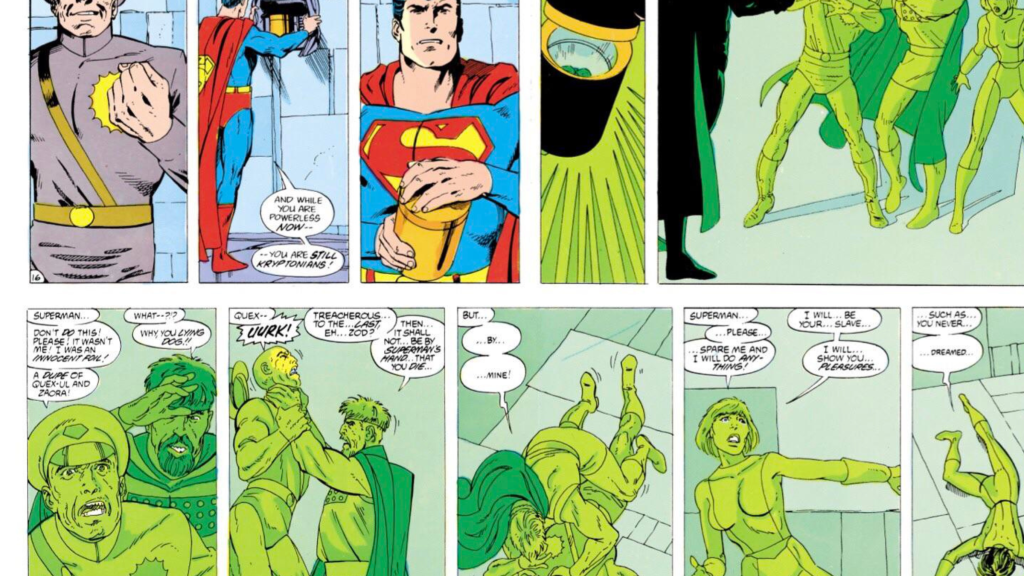
In Superman #22, the Man of Steel crosses a line that forever haunts him. After finding himself in an alternate dimension where General Zod and his followers have annihilated humanity, Superman resorts to executing them with Kryptonite. This act is not only completely out of character for the traditionally moral hero but also leaves him emotionally shattered.
Fans were divided. Some applauded the raw emotion and moral complexity, while others criticized it for tarnishing Superman’s image as an unwavering beacon of hope. Either way, it was a bold moment in DC storytelling that showcased the lengths the creators would go to explore darker themes.
9. Jason Todd’s Death – “A Death in the Family” (1988)
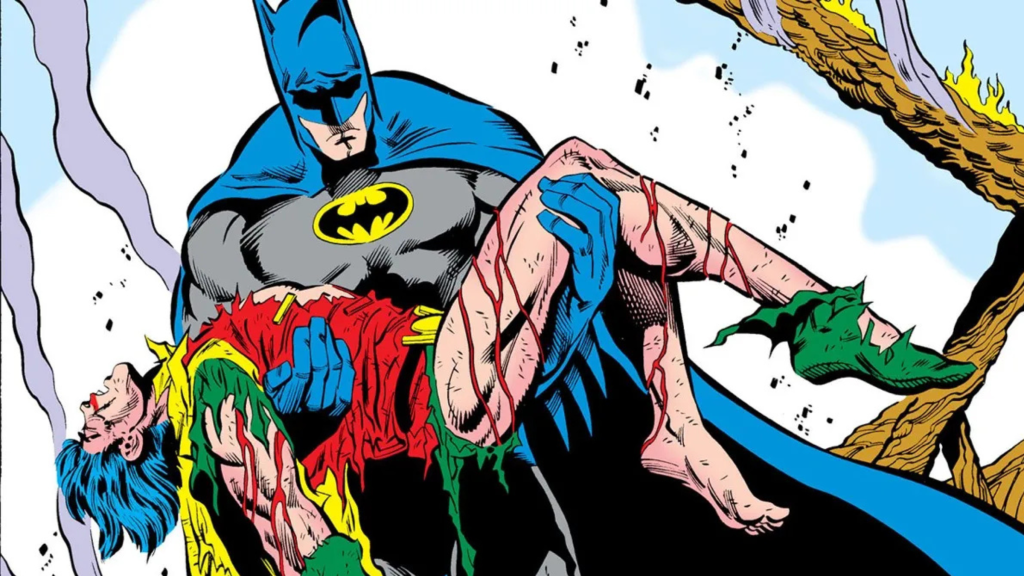
When DC allowed fans to vote on whether Jason Todd, the second Robin, would live or die, they probably didn’t anticipate the overwhelming demand for his demise. In Batman #428, the Joker brutally beats Jason with a crowbar before leaving him to die in an explosion. This was an emotionally devastating event that left Batman reeling and questioning his role as a mentor.
The story is infamous for its unapologetic brutality. The decision to let fans decide Jason’s fate added a chilling layer of responsibility for his death, making readers complicit in the outcome. It also set the stage for decades of storytelling, including Jason’s resurrection as the vengeful Red Hood. This arc proved that DC wasn’t afraid to let its heroes fail or suffer, even in the most tragic ways.
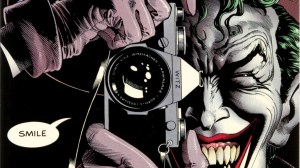
8. The Killing Joke – “One Bad Day” (1988)
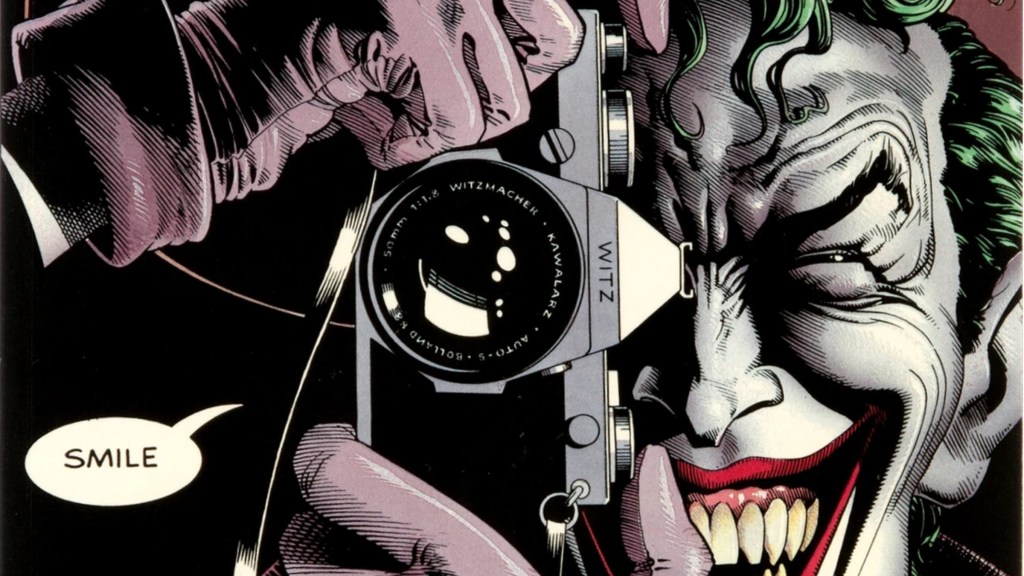
Alan Moore’s The Killing Joke is often hailed as one of the greatest Batman stories ever told, but it’s also one of the darkest. The Joker kidnaps Commissioner Gordon and subjects him to psychological torture, all while paralyzing Barbara Gordon (Batgirl) in one of the most disturbing scenes in comic book history. The story explores the thin line between sanity and madness, with the Joker attempting to prove that anyone can be driven insane by “one bad day.”
What makes The Killing Joke so unsettling is its ambiguity. Did Batman kill the Joker in the end? Did the Joker’s twisted philosophy have merit? The story’s mature themes and graphic violence pushed the boundaries of what a superhero comic could be, but it also sparked controversy for its treatment of Barbara Gordon, which some considered gratuitous. Regardless, it remains a defining moment for DC’s darker storytelling.
7. Identity Crisis – “A Hero’s Worst Nightmare” (2004)
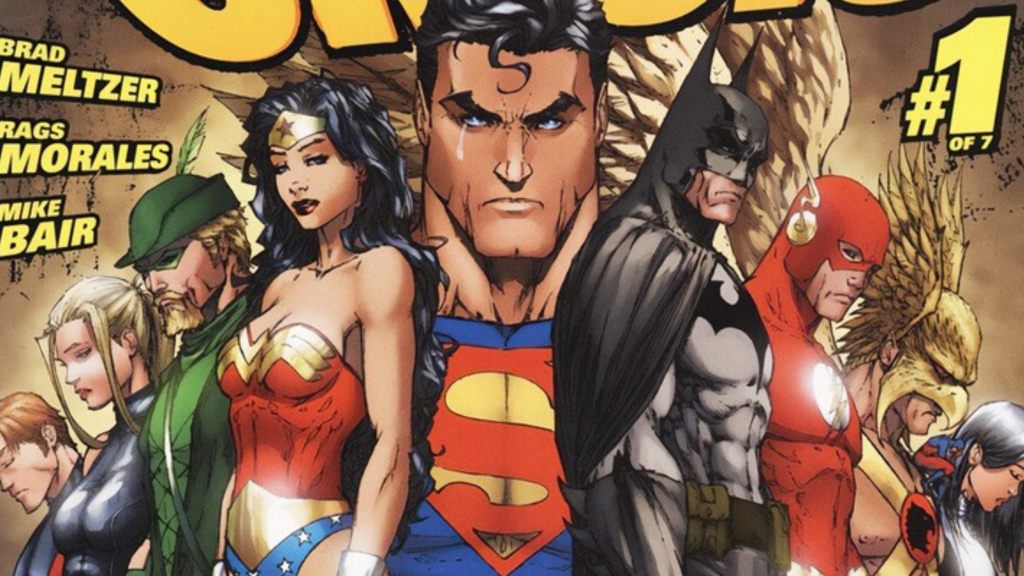
In Identity Crisis, Brad Meltzer redefined the superhero murder mystery, but the story’s darker elements left fans in shock. The brutal murder of Sue Dibny, the wife of Elongated Man, sets off a chain of events that exposes the Justice League’s morally dubious actions. The revelation that Zatanna, with the League’s consent, erased Dr. Light’s memories — and even altered Batman’s mind — added layers of betrayal and mistrust among the heroes.
The series is infamous for its graphic depiction of Sue’s assault and its exploration of the psychological toll of heroism. While the storytelling was ambitious, many fans criticized the grim tone and the exploitation of Sue’s character for shock value. Still, Identity Crisis challenged the idea of superheroes as infallible paragons, showing that even the Justice League wasn’t immune to moral corruption.
6. Batman’s Breakdown – “Knightfall” (1993)
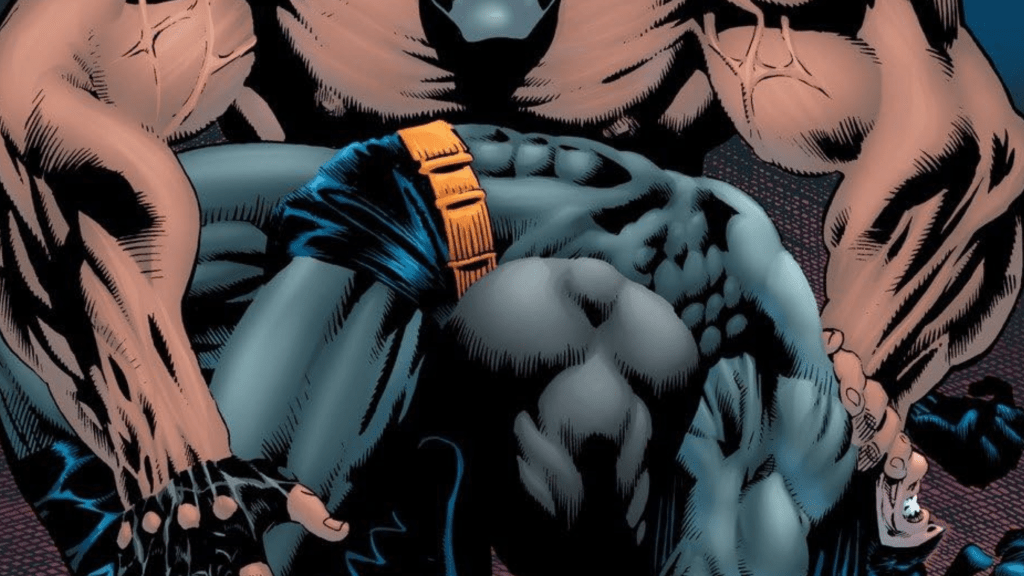
Knightfall is best remembered for introducing Bane as the man who literally broke the Bat. After a grueling campaign of psychological and physical warfare, Bane shatters Batman’s spine, leaving him paralyzed. What follows is a harrowing exploration of Bruce Wayne’s vulnerability and the consequences of losing Gotham’s protector. The storyline exposed his emotional fragility. Fans were stunned to see Batman reduced to a broken man, forced to relinquish his mantle to the unstable Jean-Paul Valley (Azrael).
5. Green Lantern’s Fall – “Emerald Twilight” (1994)
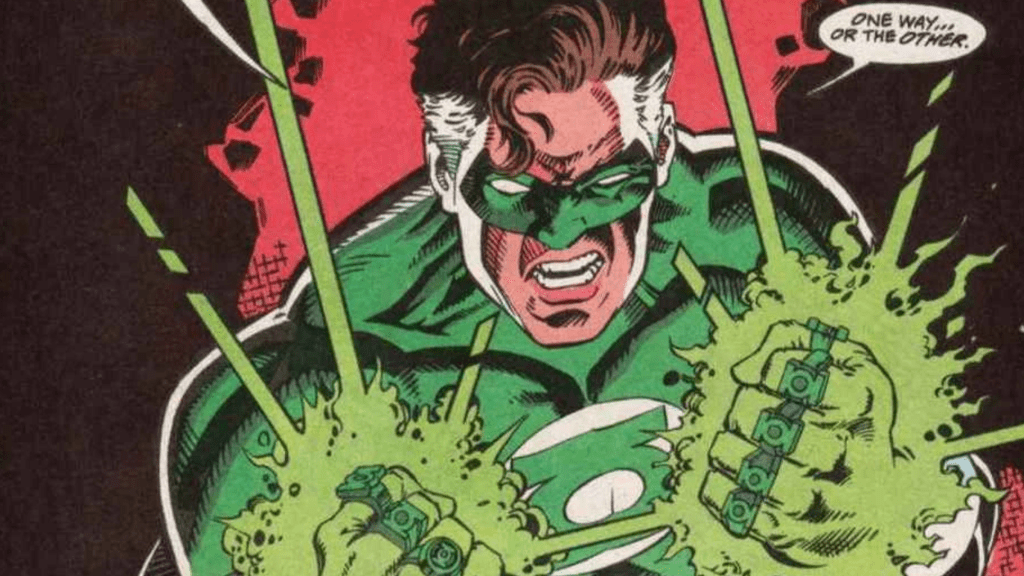
Hal Jordan, one of DC’s most beloved heroes, succumbs to madness in Emerald Twilight. After the destruction of his hometown, Coast City, Hal goes on a murderous rampage, killing his fellow Green Lanterns and becoming the villain Parallax. This shocking turn transformed the optimistic space cop into a tragic figure consumed by grief and power.
Fans were floored by Hal’s descent into villainy, as it challenged the notion of what a hero could endure before breaking. While some criticized DC for “ruining” Hal, others appreciated the bold storytelling that added depth and nuance to the character. His eventual redemption in Green Lantern: Rebirth was satisfying, but Emerald Twilight remains one of the darkest chapters in DC history.
4. The Death of Superman – “The Death of Superman” (1992)

The death of the Man of Steel in Superman #75 was a monumental event that shocked readers worldwide. Superman’s battle with the monstrous Doomsday was brutal, culminating in both combatants dying in the streets of Metropolis. The image of a lifeless Superman in Lois Lane’s arms became one of the most iconic moments in comic book history.
This storyline was the emotional fallout that followed. The world grappled with the loss of its greatest hero, and the absence of hope was palpable. While Superman’s eventual resurrection softened the blow, the story remains a testament to DC’s willingness to take risks with its most iconic character.
3. Watchmen – “Who Watches the Watchmen?” (1986-1987)

Alan Moore and Dave Gibbons’ Watchmen is a masterpiece of deconstruction, but it’s also one of the bleakest stories in comic book history. Set in a world where superheroes are flawed, corrupt, and morally ambiguous, the story explores themes of power, politics, and humanity’s darker impulses. The climax, where Ozymandias sacrifices millions to achieve peace, forces readers to question whether the ends justify the means.
Watchmen is unrelenting in its cynicism, portraying a world where heroism is dead and humanity’s flaws are laid bare. The series revolutionized the medium, but its grim tone and nihilistic outlook left readers questioning the role of superheroes in a fractured world. It’s a brilliant yet deeply unsettling work that remains a benchmark for mature storytelling.
2. Flashpoint – “A Broken Timeline” (2011)
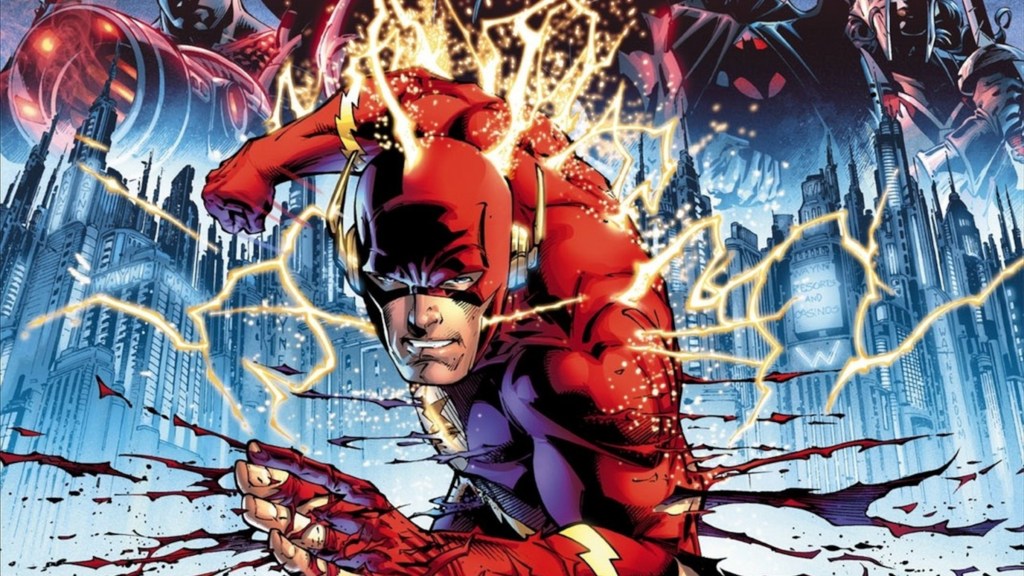
In Flashpoint, Barry Allen’s attempt to save his mother creates a dystopian alternate reality where everything has gone horribly wrong. Bruce Wayne is dead, Thomas Wayne is a brutal Batman, Wonder Woman and Aquaman are at war, and Superman is a government lab experiment. The story’s depiction of a shattered world and Barry’s guilt over causing it added a heavy emotional weight.
The bleakness of Flashpoint lies in its exploration of unintended consequences. Barry’s good intentions result in unimaginable suffering, forcing him to make the heartbreaking decision to let his mother die to restore the timeline. The story’s dark tone and moral dilemmas set the stage for the New 52 reboot.
1. The Joker’s Face Removal – “Detective Comics” (2012)
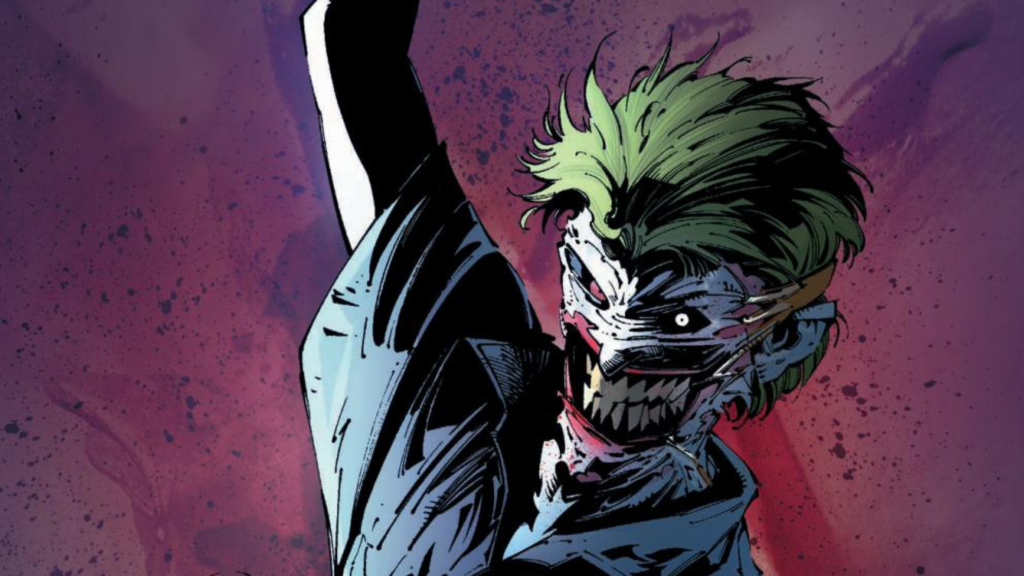
In one of the most grotesque moments in DC history, the Joker willingly has his face surgically removed in Detective Comics #1 (2011). This horrifying act sets the stage for his return in Death of the Family, where he uses his own severed face as a mask. The Joker’s grotesque appearance and sadistic mind games with the Bat-family pushed the boundaries of psychological horror in comics.
This storyline was dark even by Joker standards, with themes of identity, loyalty, and manipulation taking center stage. Fans were both horrified and fascinated by the Joker’s macabre transformation, which cemented his status as one of the most terrifying villains in comic book history. It was a bold, disturbing choice that exemplified DC’s willingness to embrace the darkest corners of its universe.
What do you think? Leave a comment below and join the conversation now in the ComicBook Forum!
Most Viewed
-
Image Courtesy of zexcs