The X-Men are one of Marvel’s biggest IPs, and all of their success is built on the back of Chris Claremont’s legendary seventeen-year run. Before Claremont, the X-Men were a reprint title on the final stage before cancellation. Then Claremont totally reinvented the team, introducing a whole new cast with characters from all over the world who instantly captured our hearts and minds. To this day, his stories are some of the X-Men’s best. From the “Dark Phoenix Saga” to God Loves, Man Kills, Claremont has penned some of the most influential and greatest stories to ever grace Marvel’s catalogue.
Videos by ComicBook.com
A huge part of Claremont’s success was that he was never afraid to make massive changes to the characters. New ideas, new directions, and new styles were aplenty during his initial run, and that freshness permeated every issue he wrote. Today, we’re taking a look at five of the best stories from his initial run and talking about the impact they had on the characters. All of these stories are iconic, but they also introduced massive changes to the mutants, some of which are still felt today. With all that said, let’s jump right into these awesome stories.
5) “The Trial of Magneto!” — Uncanny X-Men (1963) #200
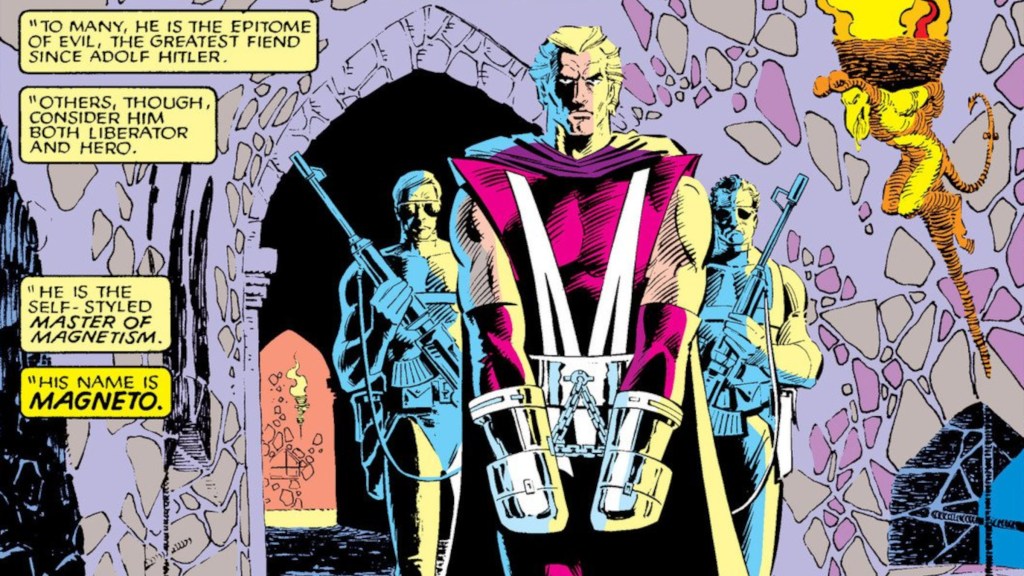
Magneto is one of the X-Men’s greatest villains. Without doubt, he’s the ultimate character to challenge the ideals that the team is built on. He cares just as much for mutantkind as Professor X, but his deeply held hatred and fear hardened his heart to the point where he was willing to do anything to ensure mutantkind could not suffer, including ending humanity. He was the X-Men’s fiercest opponent for decades, but he was also a man who truly wanted what was best for his people. Charles Xavier was his best friend, even when they were bitter enemies, and Charles never gave up on him.
This issue saw Magneto finally take the next step forward. He allowed himself to go on trial for his many crimes, and though he defended his actions, when Charles seemingly died and gifted his X-Men to Magneto, the Master of Magnetism knew that he had to step up to the plate. He embraced his chance at redemption, finally being willing to grow beyond his hatred. This started Magneto on the path that he still walks today, stepping between being a hero and a villain, but always chasing the ideals that he and his friend want to share. This was one of Magneto’s most important issues, and it still informs his actions today.
4) “Days of Future Past” — Uncanny X-Men (1963) #141 to #142
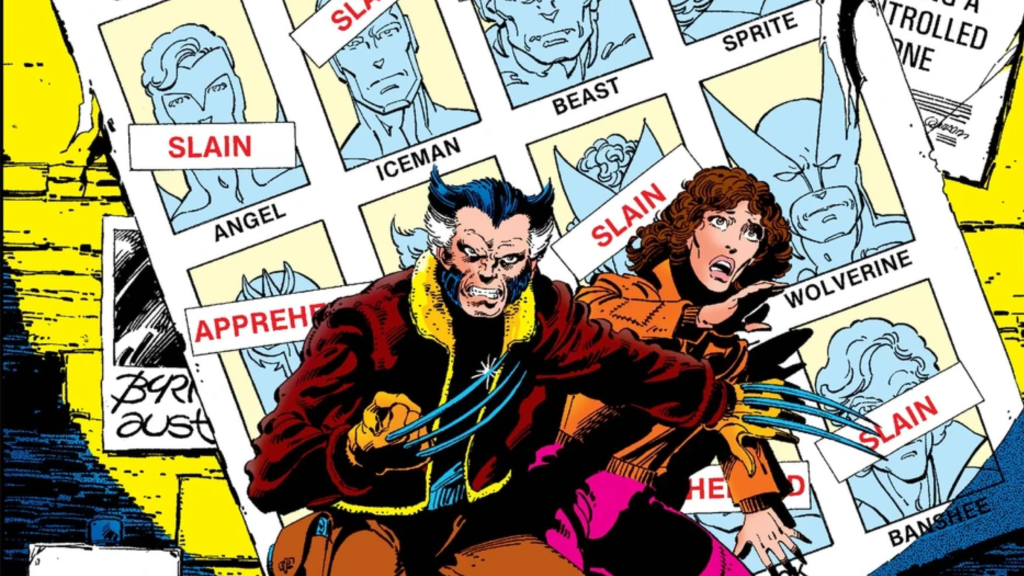
The X-Men are very intertwined with alternate futures. It seems like every major run features at least one apocalyptic future that the team has to avert. All of that started with this legendary two-part storyline, which saw an older Kitty Pryde possess her younger self to avert an assassination and prevent Sentinels from dominating the United States. She successfully saved Senator Robert Kelly, Professor Xavier, and Moira MacTaggert, preventing the rise of the Sentinels, but more importantly, her actions set the standard for all X-Men time travel stories.
The X-Men have always been heroes who fought for a better tomorrow through equality and coexistence. Their greatest fear, and the underlying tension in the series, is based on the anxiety that they might not make the world a better place. Apocalyptic futures are the best way to make those fears a reality without treading into grimdark territory. This particular story was so effective that it started the incredible trend of these types of adventures, to the point where the X-Men travel through time more often than most time-travel-based teams. This story didn’t change any individual character, but it did change how writers approach the X-Men forever.
3) “Mutant Massacre” — Uncanny X-Men (1963) #210 to #213, X-Factor (1985) #9 to #11, New Mutants (1983) #46, Power Pack (1984) #27, and Thor #373 to #374
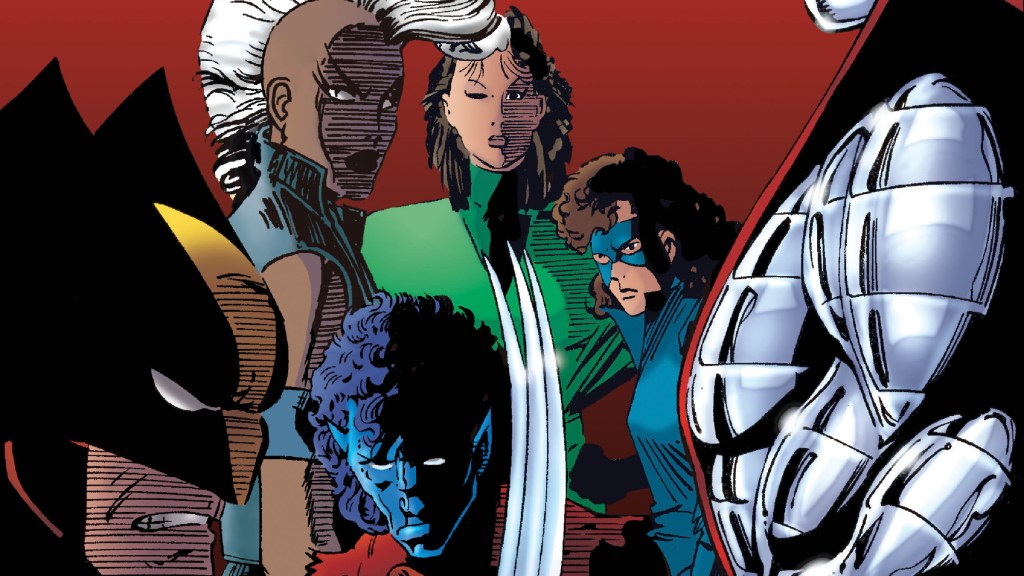
The X-Men have always tackled darker themes, directly dealing with genocidal racism that has ended countless lives across decades of stories. Nowadays, it’s common for the heroes to battle forces that threaten to send all of mutantkind into the next realm. They always exist on the edge of extinction, and one bad decision can wipe out millions of mutants, but the stakes weren’t always so high, or the stories so dark. They always dealt with those kinds of villains, but they always had optimism for what came next and believed they could change the world to be peaceful within their lifetimes.
That all changed with “Mutant Massacre.” It was the X-Men’s darkest story up to that point, pulling no punches in the death it wrought or the hatred that inspired it. This storyline honed in on the hatred and horror that have become commonplace in modern stories. It was the stepping stone that showed just how far Marvel could take the X-Men. If this story hit shelves today, it would be accepted as another X-Men story, but back when it was first released, it changed everything for the team.
2) “The Big Dare” — Classic X-Men #4
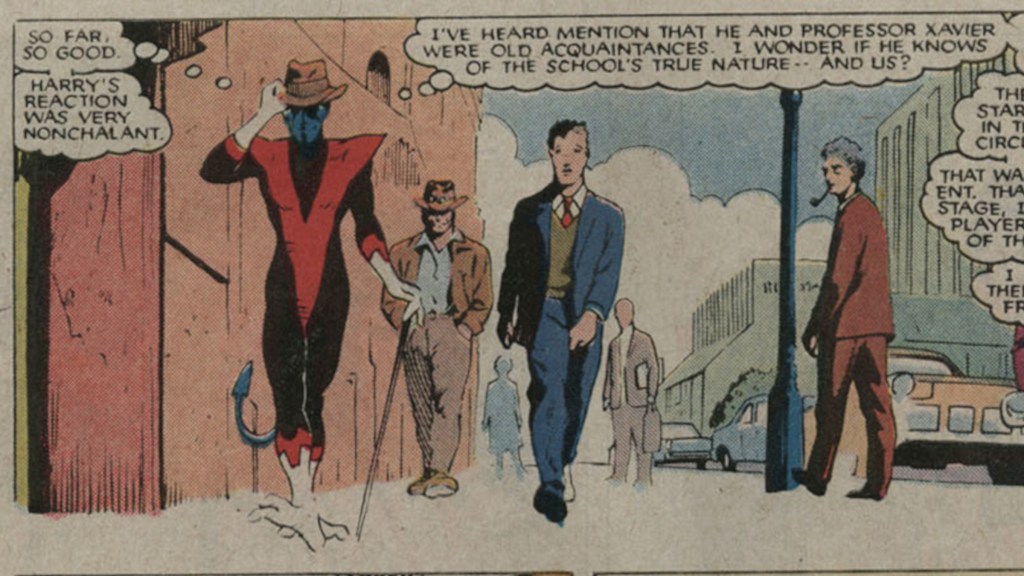
Mutants have always been an allegory for all types of marginalized groups, but some face struggles that others don’t. A lot of the most popular mutant characters look the same as any ordinary human, but some are recognizable at a glance. That’s especially true for Nightcrawler, who looks very much like a demon, despite his friendly disposition. In the earliest years of his career, he used an image inducer to appear as a human in public, but in doing so, he always hid some part of himself. The X-Men fought for acceptance, but they couldn’t truly embody it if one of their own couldn’t be himself in public.
In this story, Wolverine challenged Nightcrawler to put his fear and image inducer away and walk around town as himself. The blue elf found the town a lot more accepting than he thought, and this experience gave him the confidence to be himself all the time, no matter what anyone might say. This also opened the door for other mutants to let their more monstrous appearances be more public. Nightcrawler was the first X-Man who couldn’t pass for a normal human, and he showed everyone that he didn’t need to be someone he wasn’t. This story was the first time that an X-Man proudly declared who he was in public, and it set the stage for countless others to do the same.
1) “Phoenix Saga” — Uncanny X-Men (1963) #101 to 109
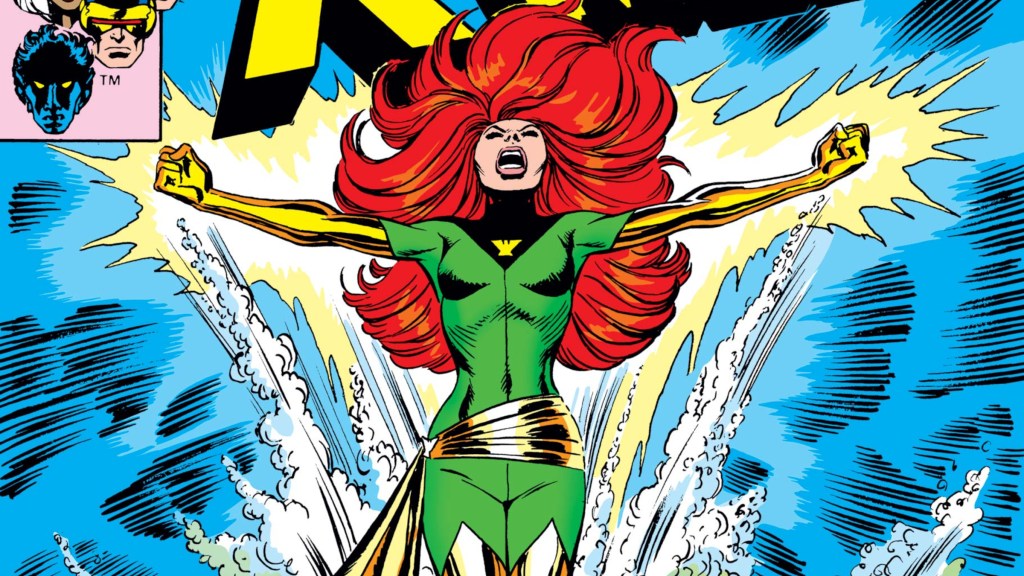
The “Dark Phoenix Saga” is remembered as the peak of X-Men comics, but that classic tale wouldn’t have been possible without the legwork that the original, underrated “Phoenix Saga” accomplished. It’s the story where Jean first harnessed the power of the Phoenix, rising from her own fiery grave and coming to realize just how powerful she had become. It’s also the storyline that introduced the X-Men to the Shi’ar Empire, forever tying the team to the intergalactic affairs and cosmic side of Marvel like they never had been before.
This saga was pivotal for the entire X-Men line. It took everything Claremont had worked on up to that point and elevated it to the next level, bringing in a level of creativity and new ideas that the book had never seen before. Jean’s transformation into Phoenix and the connection between Xavier and Lilandra were both incredible, important events that have gone down in history as cornerstones of the entire X-line. This storyline set the stage for everything that came after it, showing that the X-Men would proudly and bravely go where no other superhero team had gone before. This story brought them all to new heights and is foundational to every great X-Men story after it.
Which of Chris Claremont’s X-Men storylines do you think had the biggest impact on the team? Leave a comment in the comment section below and join the conversation on the ComicBook Forums!
More Comics
-
Image Courtesy of Marvel Comics -
Image Courtesy of Marvel Comics -
Image Courtesy of DC Comics -

Image Courtesy of DC Comics -
Image Courtesy of Marvel Comics