The Amazing Spider-Man #1000 is coming out on September 30, and it is looking to be one of the biggest issues in Spider-Man history. The book has several writers, including Joe Kelly, Noah Hawley, Frank Miller, Dan Slott, J.M. DeMatteis, Brian Michael Bendis, and Larry Lieber. Artists include names like Pepe Larraz, John Romita Jr., Patrick Gleason, Peach Momoko, Marcos Martin, Stuart Immonen, and Humberto Ramos. That is a stacked group of creators, most of whom worked on some of Spider-Man’s biggest stories from the past. The book will include the fallout from Aunt May’s stroke and the arrival of a new supervillain named Ravage. There are also several other stories that deal with moments from Spider-Man’s past.
Videos by ComicBook.com
As the date for this comic’s release closes in, here is a look at five Spider-Man comics from the past that stand among the best stories that Marvel has ever told.
5) The Amazing Spider-Man #700
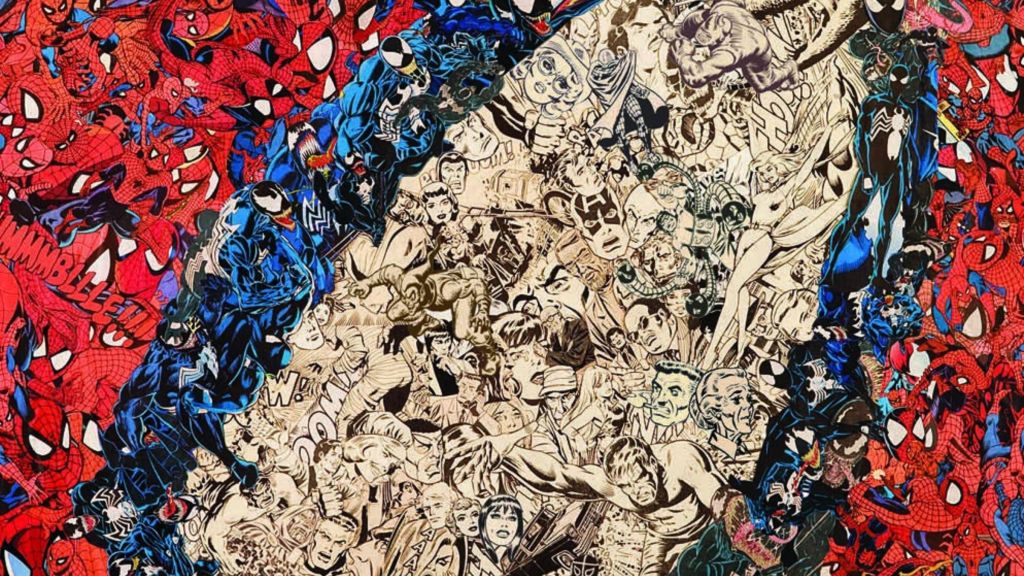
There have been several iconic centennial issues of Spider-Man, but nothing changed his life as much as The Amazing Spider-Man #700 by Dan Slott and Humberto Ramos. The story was titled “Dying Wish: Suicide Run,” and it featured the moment that Peter Parker died. This was part three of the “Dying Wish” story arc and saw Spider-Man fighting a dying Doctor Octopus after the villain surprisingly switched bodies with Peter in issue #698. This left Peter in Ock’s body as he died, and Doctor Octopus became the new Spider-Man.
This issue led to The Superior Spider-Man series, which remains among the best Spider-Man storylines of all time, with Octopus proving to be, in many ways, a better Spider-Man than Peter Parker ever was. He created several inventions that helped him beat criminals that Spider-Man struggled with and even got Peter his college degree. Superior Spider-Man even helped rehabilitate Doctor Octopus. It all started with The Amazing Spider-Man #700, a comic with one of the most shocking endings in history.
4) The Amazing Spider-Man #300
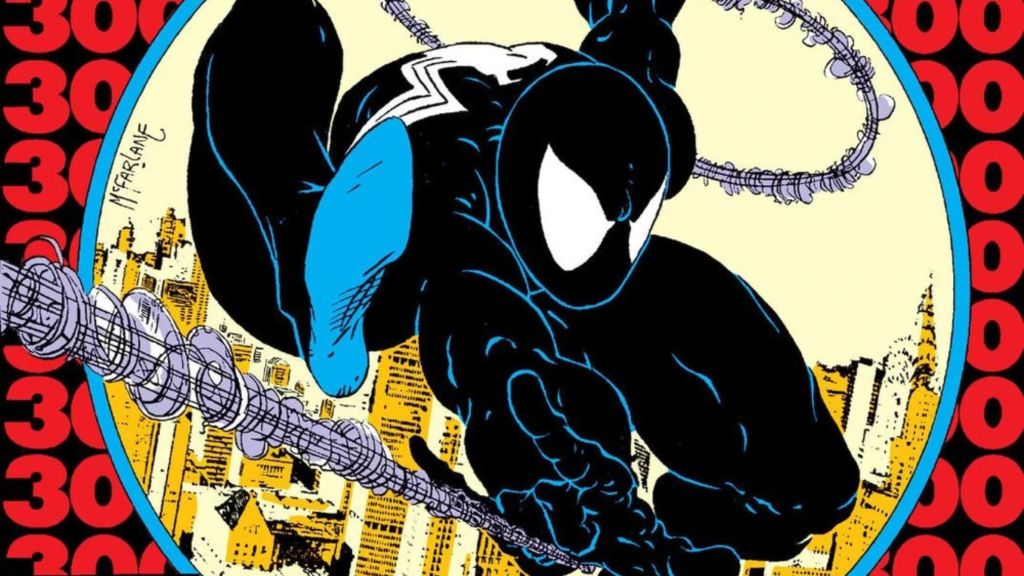
The Amazing Spider-Man #300 was another centennial issue, this one by David Michelinie and Todd McFarlane. Leading up to this issue, McFarlane had complained that he hated the black costume that Spider-Man wore ever since he got rid of the symbiote costume, and he finally got his chance to put Peter Parker back into the blue and red in this issue. However, that is only part of the magic in the 300th issue.
Returning Spider-Man to the blue and red costume was special, but this comic book remains best known for the first appearance of Venom. The symbiote escaped from the Fantastic Four’s headquarters with an intense hatred for Spider-Man, and it found someone who hated Peter Parker as much as it did: a man named Eddie Brock. This issue was also extremely important because it is where McFarlane mastered his Spider-Man art style and helped launch himself to superstardom as a creator.
3) The Amazing Spider-Man #121
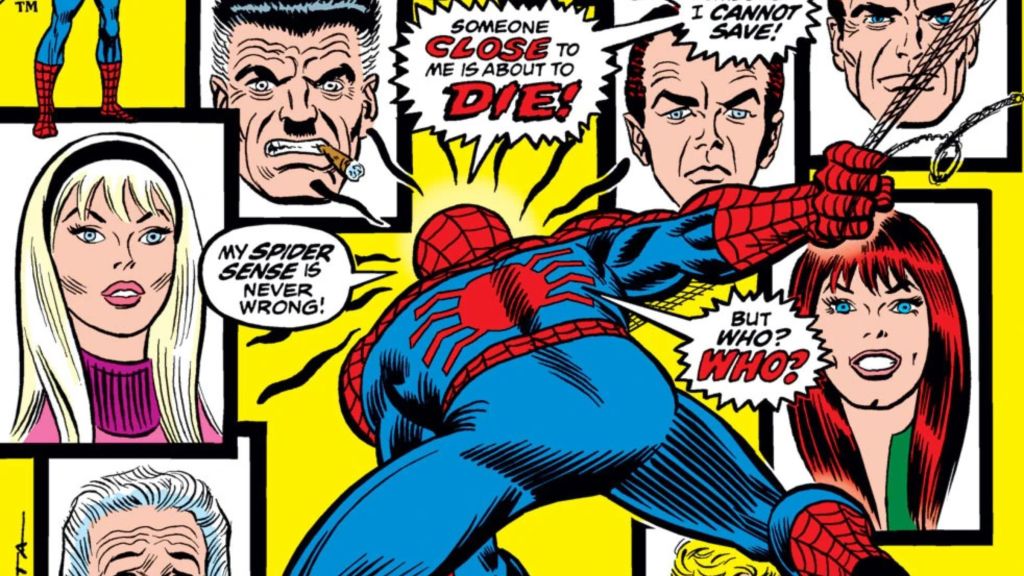
The Amazing Spider-Man #121 by Gerry Conway and Gil Kane is the most important comic book in Spider-Man history, and one of the most important for Marvel Comics as a company. When Marvel launched its superhero line of comics in the 1960s, it was a period known as the Silver Age. This featured the introduction of superheroes and featured stories of good overcoming evil in most stories. Comic book historians consider The Amazing Spider-Man #121 to be the end of the Silver Age of comics thanks to its tragic storyline.
This story was titled “The Night Gwen Stacy Died,” and that is what happened in this issue. Norman Osborn got his memories back and returned to his role as the Green Goblin to get revenge on Spider-Man. He abducted Gwen and then threw her from a bridge, where Spider-Man caught her with his webbing, but she died after a whiplash effect. Killing a major character was almost unheard of in Marvel Comics, and this Spider-Man issue started the new Bronze Age, a grittier era where anything could happen.
2) The Amazing Spider-Man #50
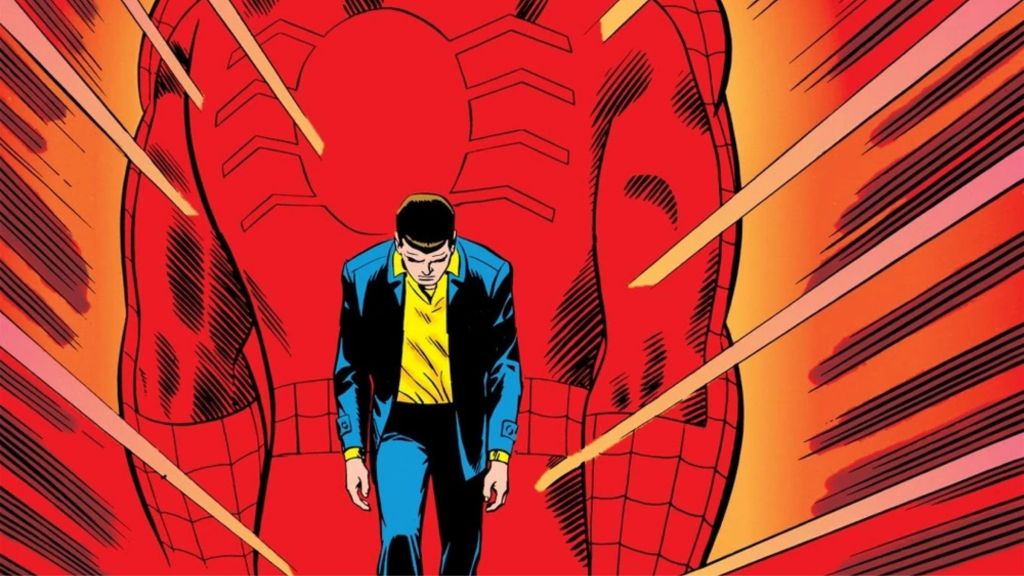
Released in 1967, The Amazing Spider-Man #50 by Stan Lee and John Romita Sr. has one of the most famous covers of any Spider-Man comic book. This was the issue where Peter Parker realized that no matter what he did, people around him would get hurt. Feeling the pressure of college, his family (with a sick Aunt May), and J. Jonah Jameson’s relentless pursuit of tarnishing Spider-Man’s legacy, Spider-Man finally threw his costume away and quit.
However, Spider-Man saw a criminal menace, an elderly night watchman, and remembered his promise after Uncle Ben died. This comic book issue saw Spider-Man at his lowest, and then reminded everyone of why he couldn’t quit and had to push on no matter how hard it is. There is also one other big reason that The Amazing Spider-Man #50 is so important. This was the first issue that introduced Wilson Fisk, the Kingpin of Crime, and he came to power thanks in large part to Spider-Man quitting for a short time.
1) The Amazing Spider-Man #1
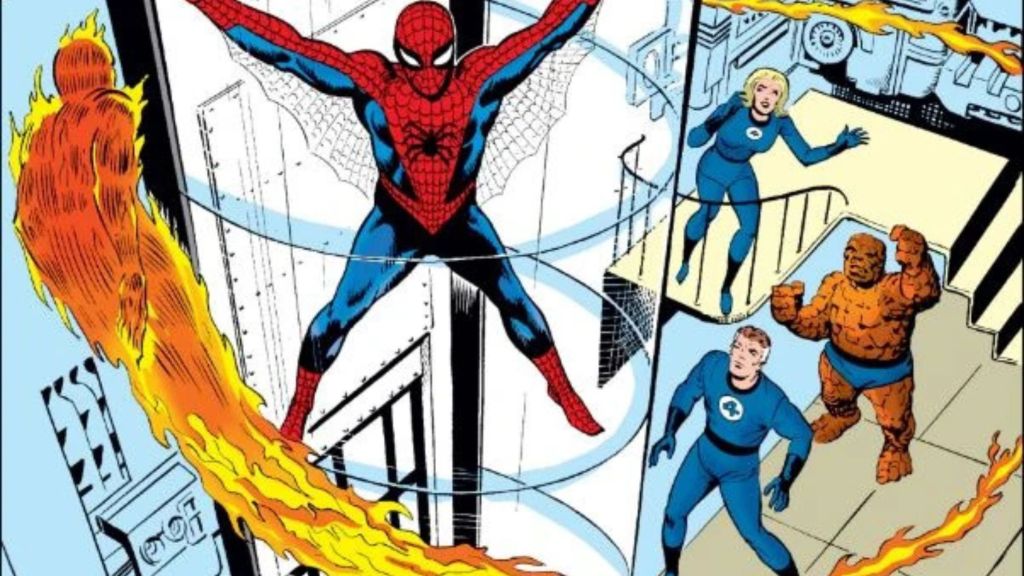
Spider-Man made his debut in Amazing Fantasy #15 by Stan Lee and Steve Ditko. However, the more important issue was The Amazing Spider-Man #1 by Lee and Ditko, a title that had the young hero’s name in it and one that launched one of the most popular comic book series in Marvel Comics history. The book had Spider-Man attempting to join the Fantastic Four, only to learn they didn’t pay. It also saw the debut of the Chameleon, who, while not a major member of Spider-Man’s rogues’ gallery, is still important.
This issue proved that Lee knew what he was doing by putting a teenager in the lead role of a superhero comic book. While most heroes were monsters, industrialists, soldiers, and inventors, this was just a high school kid who had to figure out how to be a hero. He was the most relatable comic book character at the time, and that is what made him so popular. In 2026, Marvel Comics will release The Amazing Spider-Man #1000, and to celebrate this special release, there is no better time to read the comic that started this legendary run.
More Comics
-
Image Courtesy of Marvel Comics -
Image Courtesy of Marvel Comics -
Image Courtesy of Marvel Comics -
Image Courtesy of Marvel Comics -

Images Courtesy of DC Comics -
Image Courtesy of DC Comics