
DC’s dark and brooding approach to storytelling has always set it apart in the world of comics. The exploration of moral ambiguity, psychological torment, and the gritty underbelly of heroism allows DC to delve into themes that transcend the typical “good versus evil” narrative. But while this depth often leads to profound storytelling, it can sometimes feel like the brand is trapped in a self-imposed shadow. It’s as if DC assumes that being darker automatically means being more mature, which isn’t always the case.
Videos by ComicBook.com
Darkness without balance risks alienating audiences who crave a glimmer of hope amidst the chaos. That said, DC’s commitment to this tonal approach also gives it an edge that other franchises lack. By embracing the flawed, tortured psyches of its heroes and villains, it crafts narratives that feel more grounded and, in many ways, more human.

Identity Crisis (2004)
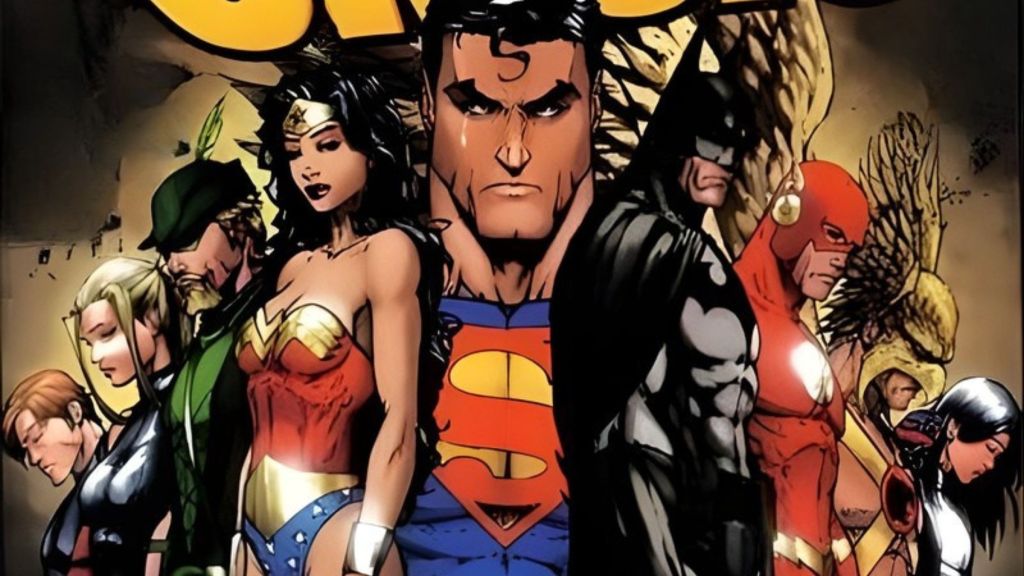
Brad Meltzer’s Identity Crisis is one of the most harrowing stories in DC’s history. It begins with the brutal murder of Sue Dibny, the wife of Elongated Man, and spirals into a morally gray exploration of the Justice League’s darkest secrets. The revelation that certain heroes used their powers to alter the minds of villains — and even their own teammates — leaves a sour taste, forcing readers to question the ethics of their beloved superheroes. The psychological toll on the characters and their relationships adds a heavy emotional weight that lingers long after the final page. The story’s bleak tone and its willingness to challenge the very notion of heroism make it a deeply unsettling read.
Arkham Asylum: A Serious House on Serious Earth (1989)

Grant Morrison and Dave McKean’s Arkham Asylum is a surreal, nightmarish journey into Gotham’s infamous psychiatric hospital. The story follows Batman as he ventures into Arkham to subdue the Joker and other inmates, but the real terror lies in the psychological and symbolic horror of the asylum itself. The story’s abstract nature and disturbing imagery leave an indelible mark, ensuring it stays with readers long after they’ve put it down.
The Killing Joke (1988)

Alan Moore’s The Killing Joke is one of the most infamous Batman stories ever told. It delivers an unflinching look at the Joker’s origins and his attempt to prove that “one bad day” can drive anyone insane. The story’s centerpiece is the Joker’s horrific assault on Barbara Gordon and his psychological torment of her father, Commissioner Gordon. The brutality of these acts is shocking, even by modern standards, and the ambiguity of the ending leaves readers questioning whether Batman finally breaks his no-kill rule. The Joker’s nihilistic worldview and his twisted belief in humanity’s fragility force readers to confront uncomfortable truths about morality and mental health.
The Dark Knight Returns (1986)
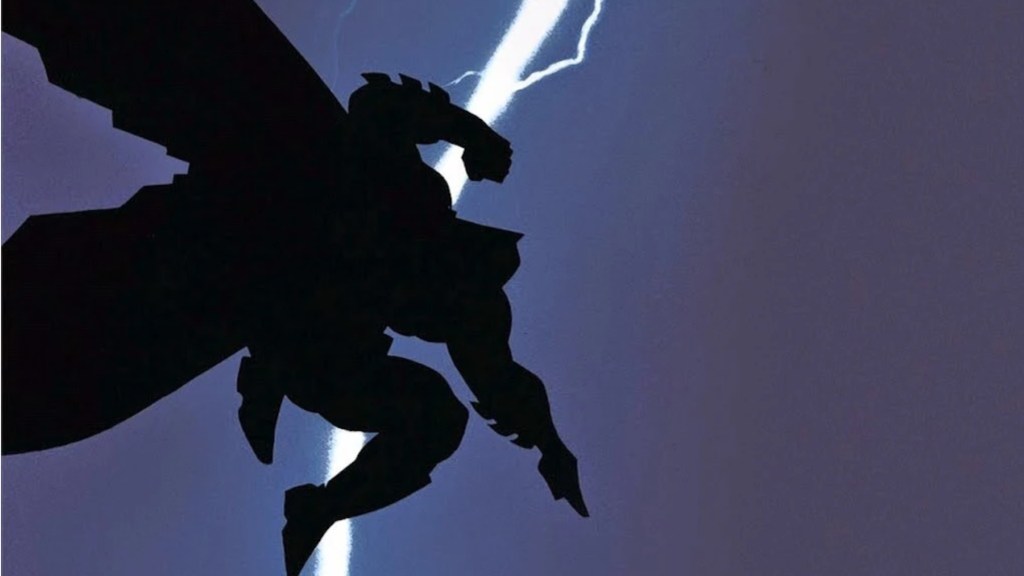
Frank Miller’s The Dark Knight Returns is a grim, dystopian take on an aging Batman who comes out of retirement to save a Gotham City overrun by chaos. The story portrays a bitter, battle-hardened Bruce Wayne who no longer fights for hope but out of sheer necessity. The violence is brutal, and the story’s depiction of a broken world mirrors the bleakness of the protagonist’s psyche.
It questions whether his relentless crusade against crime has done more harm than good. The climactic battle with Superman, representing authoritarian control, is a visceral clash of ideologies that leaves a lasting impression. This is not just a dark Batman story, but a critique of heroism and its consequences.
Crisis on Infinite Earths
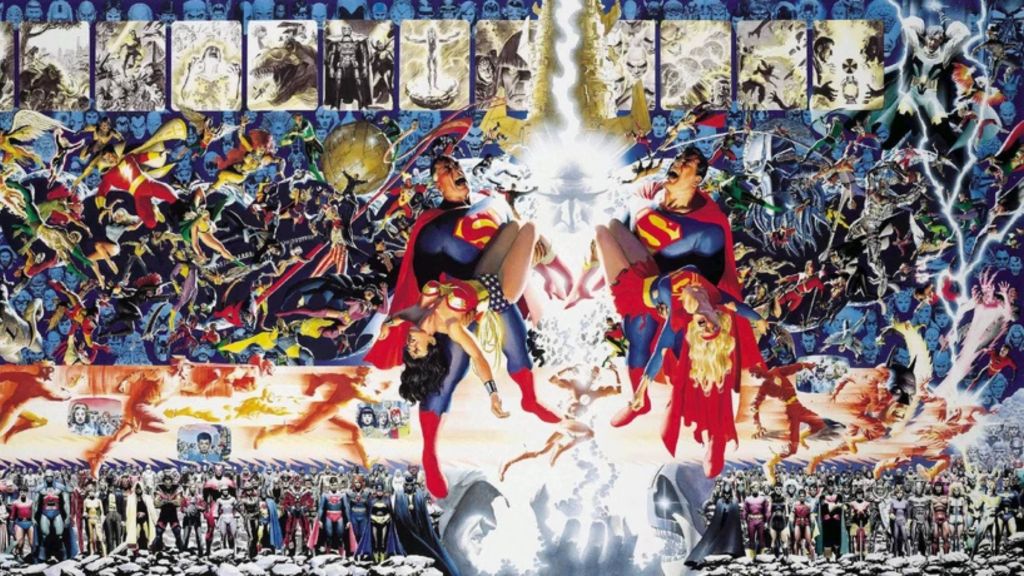
Marv Wolfman and George Pérez’s Crisis on Infinite Earths is a massive, universe-shattering event that redefined the DC Universe. While it’s remembered for its scale and ambition, it’s also one of the darkest stories DC has ever told. The deaths of beloved characters like Supergirl and Barry Allen (The Flash) are heart-wrenching and serve as grim reminders of the cost of heroism. The Anti-Monitor is one of the most terrifying villains in DC history, and his campaign of annihilation leaves countless worlds destroyed.
Despite the best efforts of the heroes, entire universes are erased, and even their victories feel hollow. The story’s apocalyptic tone and the sheer weight of its losses stick with readers.
Batman: The Cult (1988)
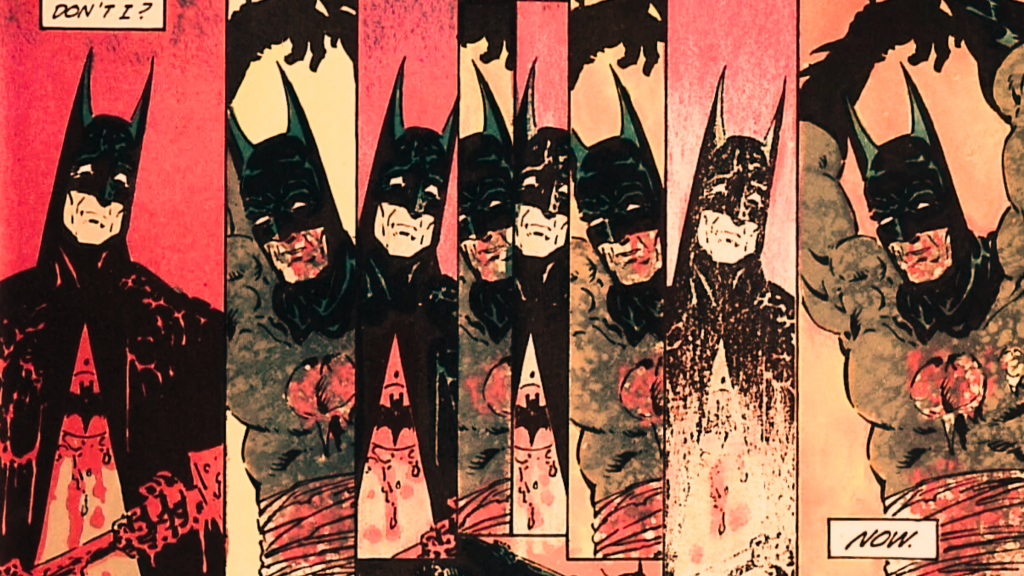
Jim Starlin’s Batman: The Cult pushes the Dark Knight to his absolute limits. The story features Deacon Blackfire, a charismatic cult leader who brainwashes Gotham’s homeless population and turns them into a violent army. Batman himself falls victim to Blackfire’s manipulation, leading to some of the most harrowing moments in the character’s history. Watching the usually unshakable Batman descend into helplessness and self-doubt is deeply unsettling.
The story’s exploration of religious fanaticism and mass manipulation gives it a chilling real-world relevance. Gotham feels more oppressive than ever, and the sense of dread is palpable throughout.
Watchmen (1986–1987)
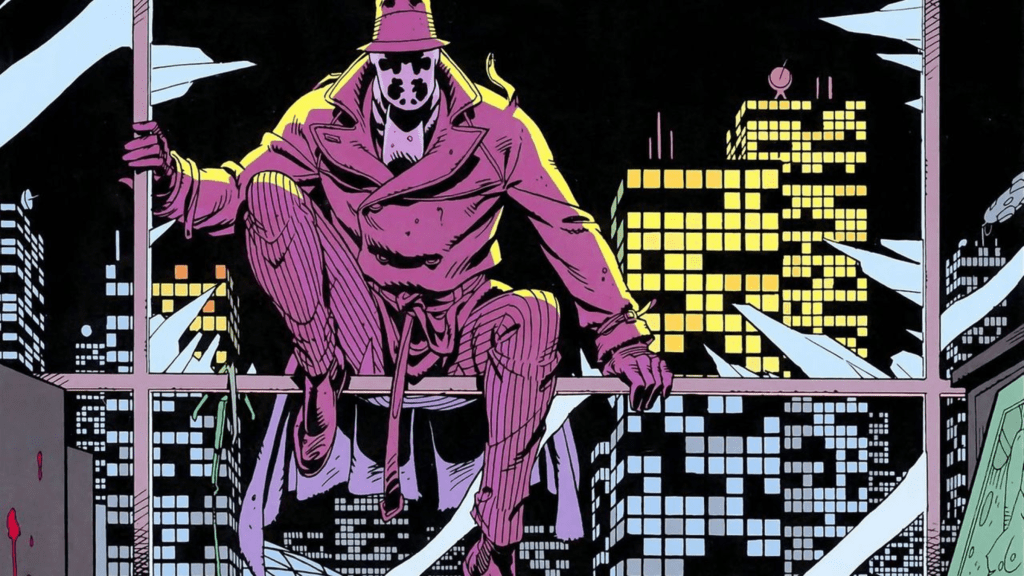
Alan Moore and Dave Gibbons’ Watchmen is the definitive dark comic book. Set in a world where superheroes are flawed, selfish, and often dangerous, the story deconstructs the very idea of heroism. The characters’ moral compromises and personal failures make them deeply human, but also deeply unsettling. Rorschach’s unyielding sense of justice, Dr. Manhattan’s cold detachment, and Ozymandias’ calculated ruthlessness create a cast of protagonists more terrifying than the villains they face.
The ending of Watchmen is what truly cements its darkness. Ozymandias’ plan to kill millions in order to save the world is horrifying in its logic, and the moral ambiguity of his actions leaves readers grappling with unanswerable questions. The story’s unrelenting cynicism and its refusal to offer easy answers make it a haunting masterpiece that stays with readers long after they’ve finished it.
What do you think? Leave a comment below and join the conversation now in the ComicBook Forum!
