Even the mightiest heroes of the Marvel Universe aren’t immune to tragedy — or moral collapse. Throughout Marvel Comics history, there have been moments where heroes were forced to kill their allies due to extraordinary circumstances or overwhelming threats. For instance, Hawkeye was compelled to kill Bruce Banner during Civil War II, fearing that the Hulk’s potential return could result in catastrophic destruction. Banner had even entrusted Hawkeye with a special arrow for such a scenario.
Videos by ComicBook.com
Other instances of heroes killing heroes often stem from external manipulation or loss of control. These aren’t tales of heroes turning evil. They’re about heroes staying human in the worst possible way. In the Marvel Universe, killing another hero is a mirror, reflecting how easily noble intent can become a monstrous act when despair or delusion takes the wheel.
7. Spider-Man (Peter Parker)
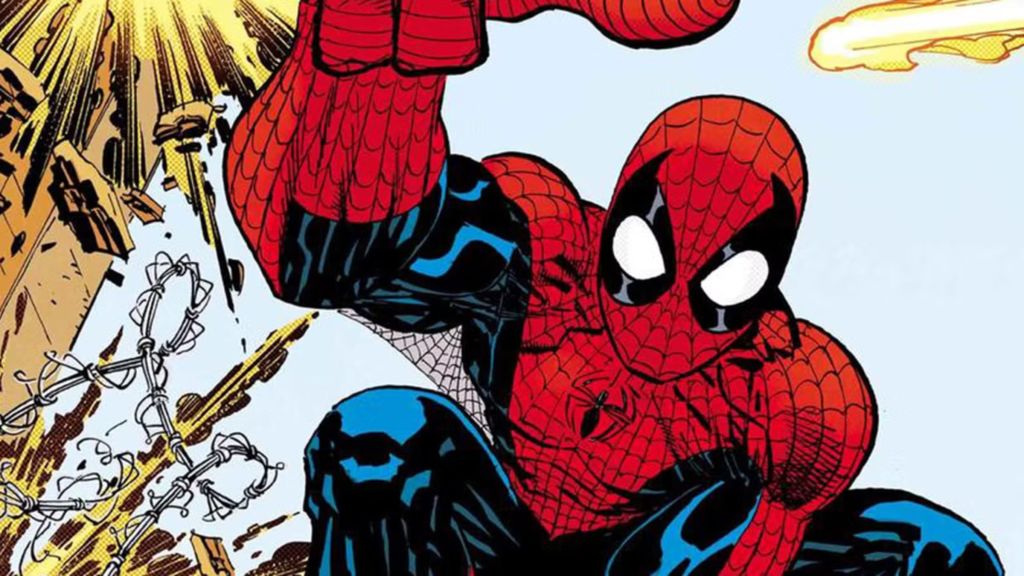
Spider-Man has always lived by one defining principle: “With great power comes great responsibility.” Yet Marvel’s “What If?” and dark continuity tales have cruelly tested that creed. In What If? Spider-Man Killed Kraven (1989), Peter’s rage over Kraven’s deception drives him to murder. What begins as catharsis turns into corruption — Spider-Man slowly loses his moral clarity, symbolizing how vengeance, even when “justified,” can corrode heroism from within. Later stories like The Other (2005–2006) flirt with the same theme, when Peter’s hybrid rebirth unleashes a primal violence even he fears.
6. The Sentry
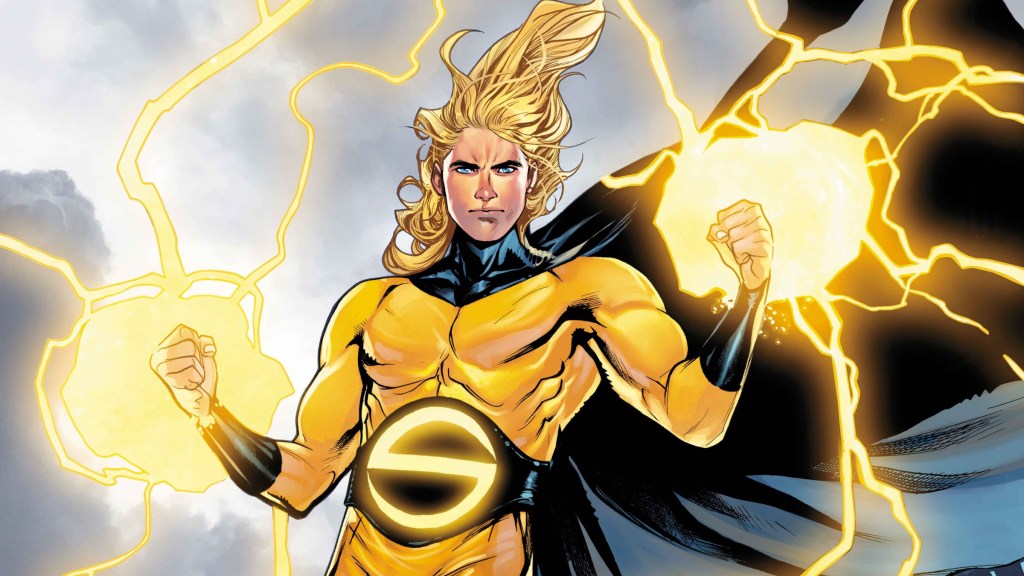
Robert Reynolds, the Sentry, is a tragedy in superspeed motion. Introduced in The Sentry #1 (2000), and later in Dark Avengers (2009–2010), he embodies limitless power cloaked in unbearable fragility. His alter-ego, the Void, is his own destructive id. When Norman Osborn manipulates him, the Sentry murders Ares and Loki, acts less of will and more of implosion. By Siege #4 (2010), Thor is forced to kill him. It’s hard not to see the Sentry’s downfall as a metaphor for mental illness in heroism: when superhuman strength can’t outmuscle psychological collapse.
5. Captain America
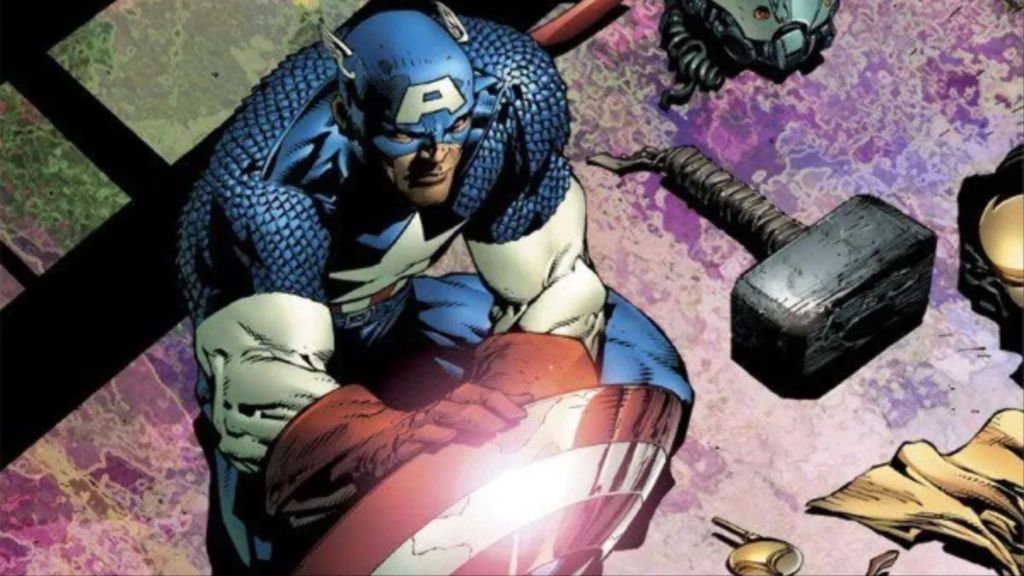
In Secret Empire (2017), Marvel dared to desecrate its most sacred icon. A sentient Cosmic Cube rewrote Steve Rogers’ past, turning him into a Hydra sleeper agent. This “Hydra Cap” believes himself righteous, murdering allies — including Black Widow — and enforcing his own twisted vision of order. The story was polarizing for good reason. It felt like watching a symbol of moral absolutes weaponized by authoritarianism. The real Steve’s eventual return doesn’t fully cleanse the taint. Secret Empire remains a brutal critique of how easily “the good soldier” can become the perfect tyrant under the wrong influence.
4. Cyclops
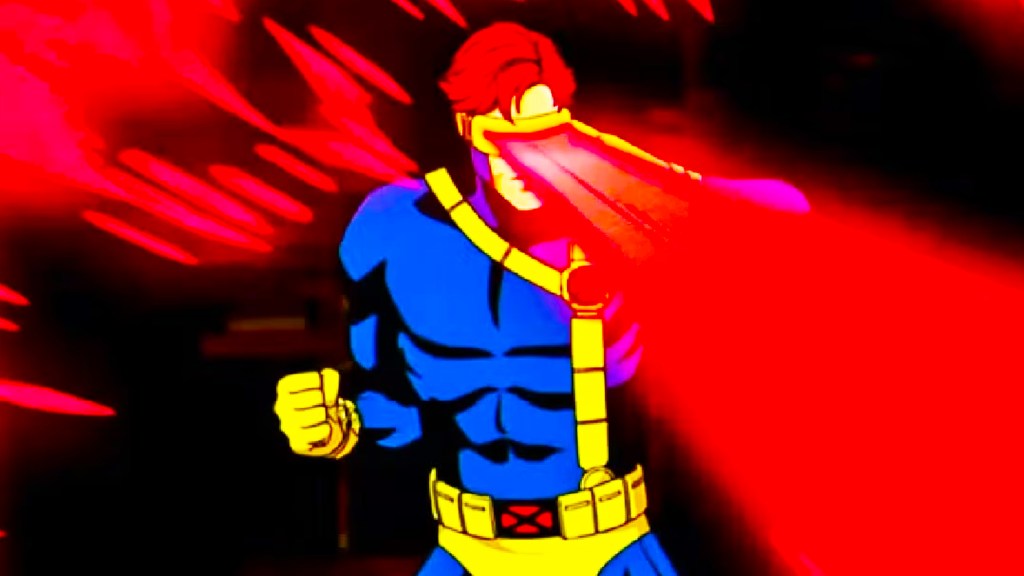
Scott Summers’ transformation in Avengers vs. X-Men (2012) is one of Marvel’s most melancholy tragedies. Possessed by the Phoenix Force, Cyclops begins with noble intent — to protect mutantkind — but cosmic power doesn’t tolerate compromise. In a moment of fury, he kills Professor Charles Xavier, the man who raised him. Some see it as an allegory for youthful rebellion against paternal ideologies; others as the inevitable rot of power. Either way, Cyclops’ guilt becomes his legacy, warping him from boy scout to revolutionary.
3. Jean Grey (Dark Phoenix)
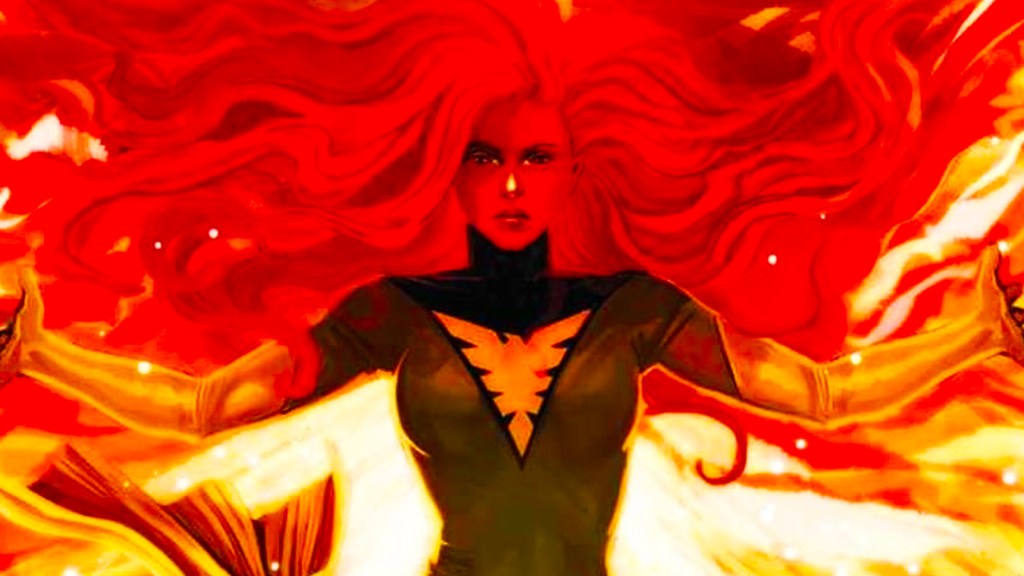
The Dark Phoenix Saga (1980) remains the gold standard of tragic superhero storytelling. Jean Grey’s transformation into the Dark Phoenix isn’t pure corruption. It’s addiction. Empowered by the Phoenix Force, Jean feels everything — love, pain, rage — at cosmic magnitude, leading her to massacre billions and turn on her teammates. Her ultimate suicide is an act of reclamation. Many fans argue Jean is less a villain than a victim of cosmic exploitation. The writers framed her death as both redemption and indictment — a warning that infinite power cannot coexist with a human heart.
2. Scarlet Witch (Wanda Maximoff)
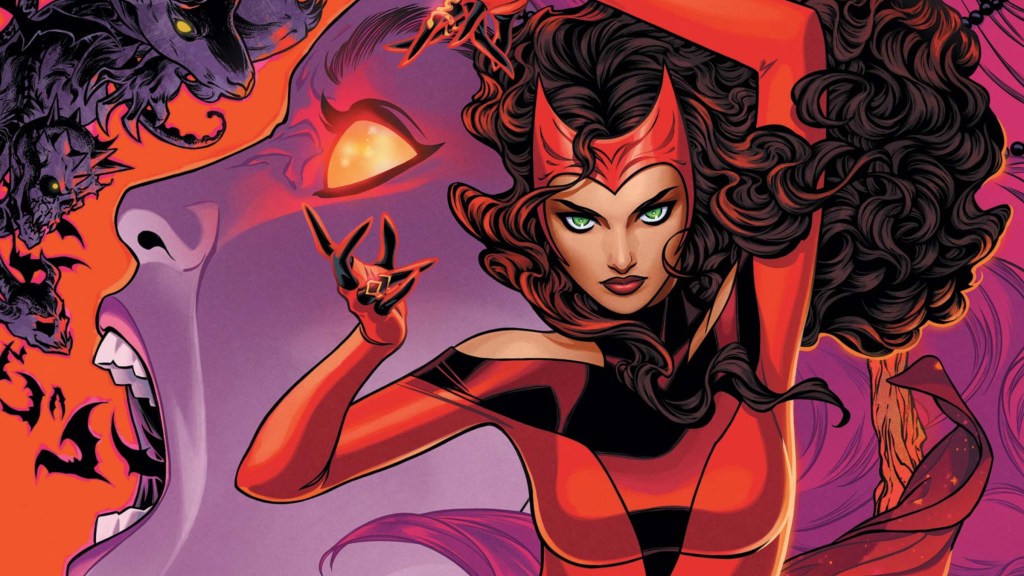
In Avengers Disassembled (2004), Wanda Maximoff became the epicenter of chaos. After reliving the trauma of her lost children, she unleashes her reality-warping powers in a psychic breakdown that kills several Avengers, including Hawkeye and Vision. Wanda doesn’t so much “murder” as “unravel” reality itself in sorrow. The narrative is divisive — some see it as a brutally honest portrayal of mental illness, others as an unfair demonization of grief. Still, it cemented Wanda as one of Marvel’s most complex antiheroes: the woman who can literally rewrite existence but not her own pain.
1. Wolverine (Logan)
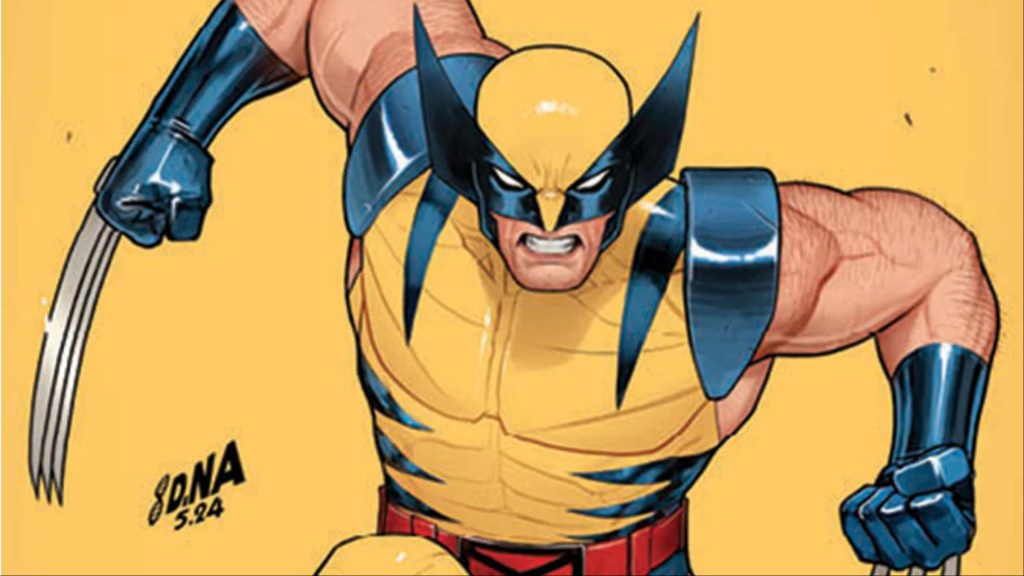
Few heroes have a body count like Wolverine, but when he kills friends, the pain cuts deepest. Throughout Wolverine’s history, writers have used his regenerative powers and berserker nature to explore how trauma compounds when healing only applies to the body, not the mind. In Enemy of the State (2004), he’s brainwashed by Hydra into butchering fellow heroes. The event highlights a defining tension in his character — even when he fights for control, something inside him is always ready to give in to violence. Later, in Old Man Logan (2008), Mysterio tricks him into slaughtering the entire X-Men, making him believe they’re villains. Both arcs expose Logan’s eternal curse: a warrior built for violence trying desperately to live in peace. His claws are metaphors for PTSD. Once drawn, they don’t retract easily.
What do you think? Leave a comment below and join the conversation now in the ComicBook Forum!
More Comics
-
Image Courtesy of DC Comics -
Image Courtesy of Marvel Comics -
Image Courtesy of Marvel Comics -
Image Courtesy of Marvel Comics -
Image Courtesy of Marvel Comics -
Image Courtesy of Marvel Comics -

Image Courtesy of Marvel Comics