DC’s most famous characters dominate not because they are always the most complex, but because they are structurally reliable. They sit at the center of long-running mythologies, have flexible core concepts, and can survive constant reinvention without losing recognizability. Editorial focus, multimedia adaptation, and narrative safety keep them visible.
Videos by ComicBook.com
These characters are easy to market, easy to reboot, and easy to plug into crossovers. On the other hand, there exists a vast layer of DC characters who remain largely unknown yet arguably deserve more attention because they are narratively risk-friendly. DC’s ecosystem rewards scalability over specificity, which means characters designed to ask difficult questions are sidelined in favor of those built to endure endlessly. As a result, some of DC’s most thematically rich ideas remain buried, because they were never meant to be permanent.
7. Dolphin
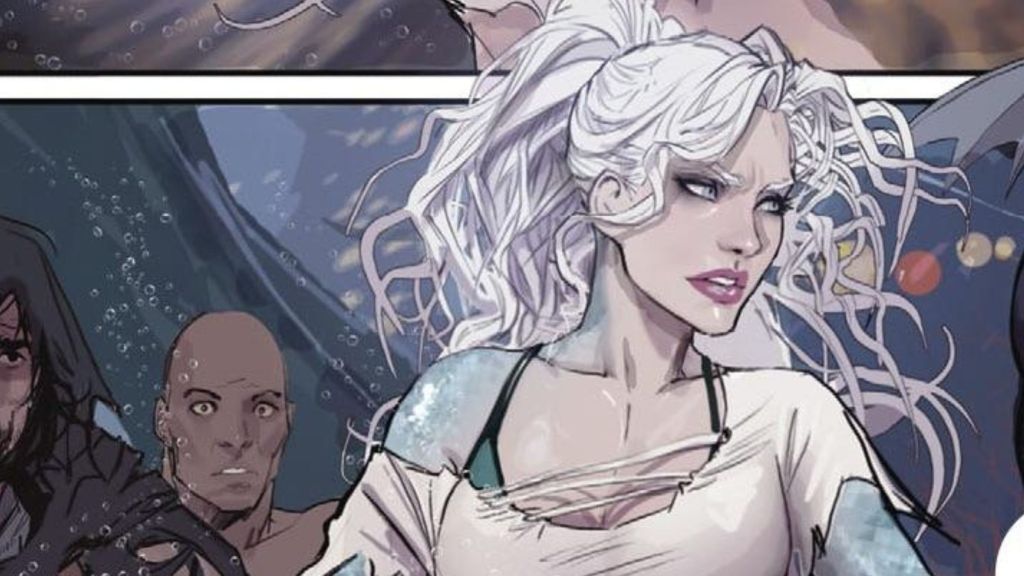
Dolphin debuted in Showcase #79 (1968), created by Ramona Fradon. Originally portrayed as a mysterious, mute aquatic humanoid, her origin was later retconned to involve human experimentation and mutation, aligning her more closely with Atlantean biology. She was positioned as a potential long-term supporting character for Aquaman during a period when DC was aggressively rebuilding its ocean-based mythology.
However, Dolphin suffered from inconsistent editorial direction. She oscillated between love interest, ally, and background figure, rarely driving plot. Unlike Mera, she never received a solo arc or internal monologue-heavy development.
6. Aztek
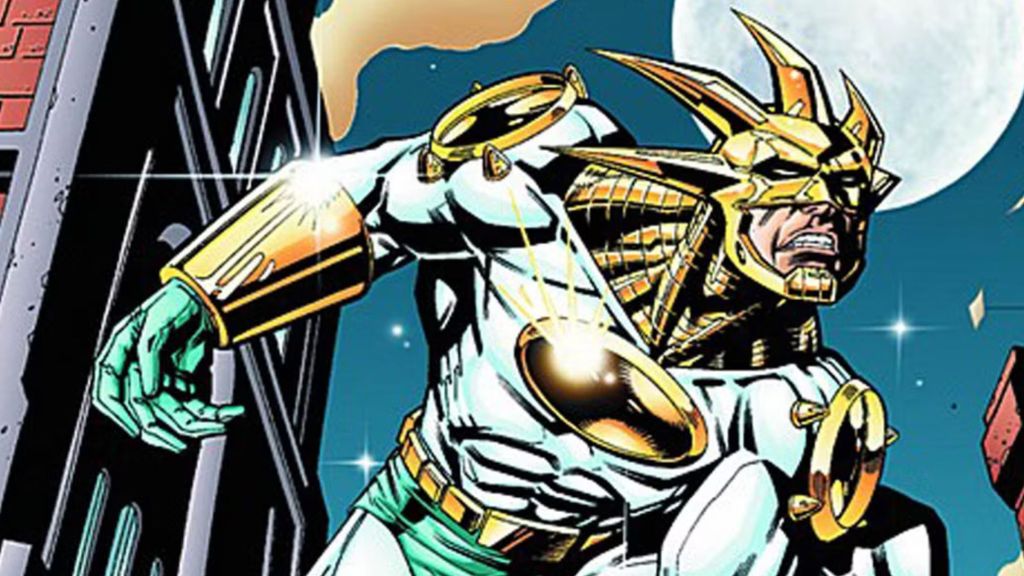
Aztek (Uno) debuted in Aztek: The Ultimate Man #1 (1996), created by Grant Morrison and Mark Millar. He was trained from birth by the Q Society to battle the Mesoamerican god Tezcatlipoca, with the Aztek armor granting enhanced strength, energy projection, flight, and molecular manipulation. His role was explicitly pre-planned as sacrificial.
The series ran 10 issues before cancellation. Despite Morrison’s involvement, the character failed to gain traction due to emotionally distant characterization and heavy mythological exposition. When he died in a major crossover, it felt more like an editorial shrug.
5. Resurrection Man
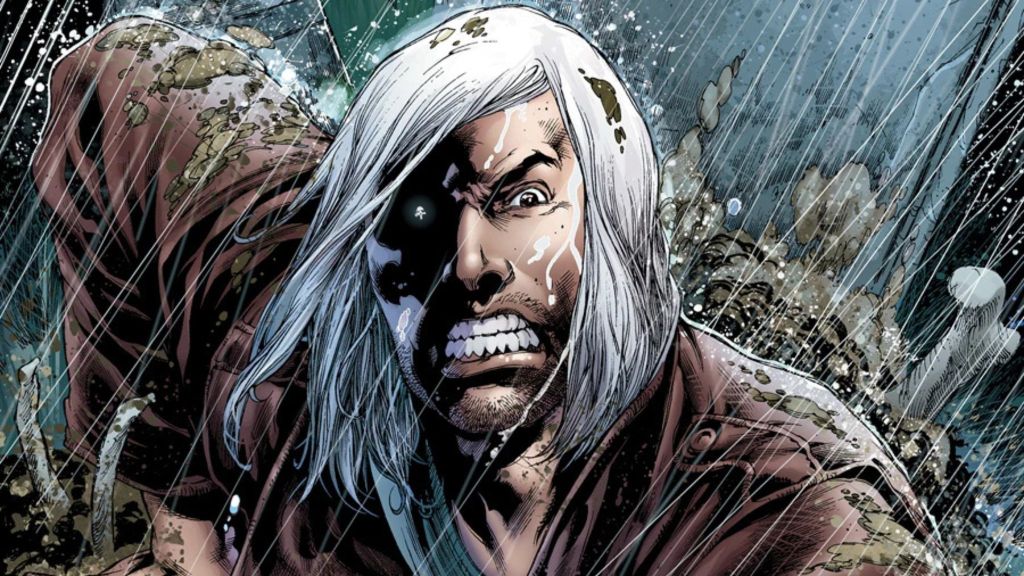
Resurrection Man, aka Mitch Shelley, has one of DC’s most perversely clever power sets: every time he dies, he comes back with a new, random superpower. Flight? Maybe. Acid skin? Possibly. Complete immunity to fire but allergic to air? Could happen. It’s a concept tailor-made for existential storytelling, especially with Vandal Savage lurking in his backstory as the reason Mitch can’t stay dead.
The character bounced between Vertigo-style existential horror and mainstream superhero action without ever finding a stable tone. Readers liked the idea of Resurrection Man more than the actual stories, and DC quietly shelved him once again. He’s remembered mostly as a “cool trivia answer,” not a legacy hero.
4. Brother Power the Geek
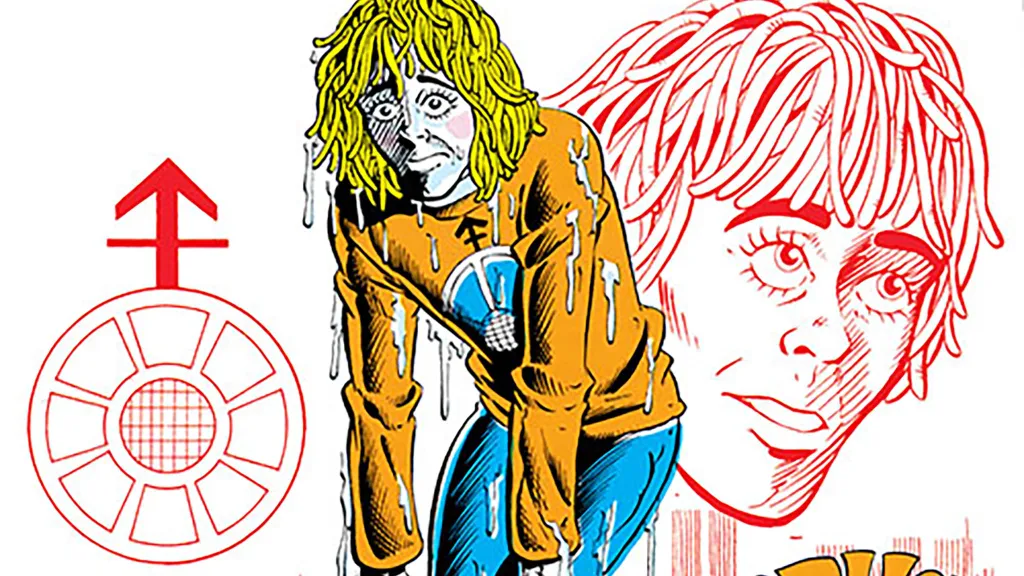
Brother Power the Geek was created by Joe Simon and first appeared in Brother Power the Geek #1 (1968). The premise was literal: a department-store mannequin animated by lightning during an electrical storm, gaining sentience and empathy. He was conceived during DC’s attempt to tap into the late-1960s counterculture wave, alongside other experimental titles that openly rejected traditional superhero tropes.
The series lasted two issues, canceled almost immediately due to low sales and unclear audience appeal. DC briefly attempted to reintegrate him decades later in Secret Origins and The New Adventures of Superman, but never with narrative commitment.
3. Shade the Changing Man
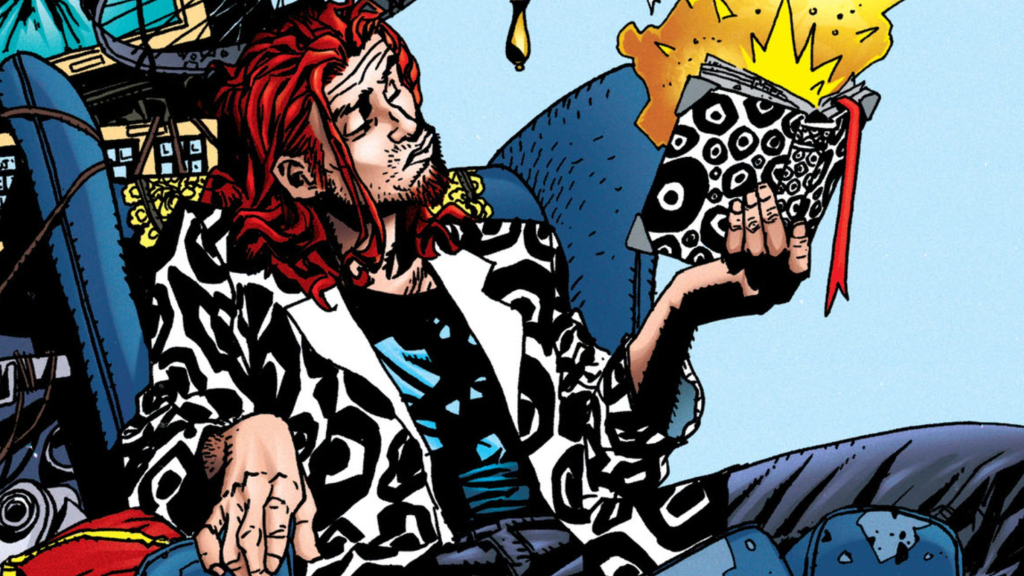
Originally a Silver Age oddity, Shade the Changing Man became something far stranger — and far better — under Vertigo. This version leaned heavily into psychological horror, identity breakdown, and American cultural decay, using the Madness Vest as a metaphor rather than a gimmick.
The problem? He was too strange. Brilliantly written, critically respected, and completely inaccessible to casual readers. Shade thrived in Vertigo’s experimental space but had no place in mainstream DC continuity. When Vertigo declined, so did Shade’s relevance.
2. Animal Man

Animal Man should be famous — and for a moment, he almost was. Grant Morrison turned him into a metafictional masterpiece, breaking the fourth wall and confronting the nature of storytelling itself. Buddy Baker was a commentary on what heroes are. His power — borrowing abilities from animals — was almost irrelevant compared to his philosophical weight.
Yet outside that legendary run, Animal Man struggled. Later writers couldn’t replicate the same depth, and DC never quite knew what to do with a hero who worked best when questioning the existence of heroes. He’s obscure not because he failed but because he peaked so hard, so early, that everything after felt like an echo.
1. The Heckler
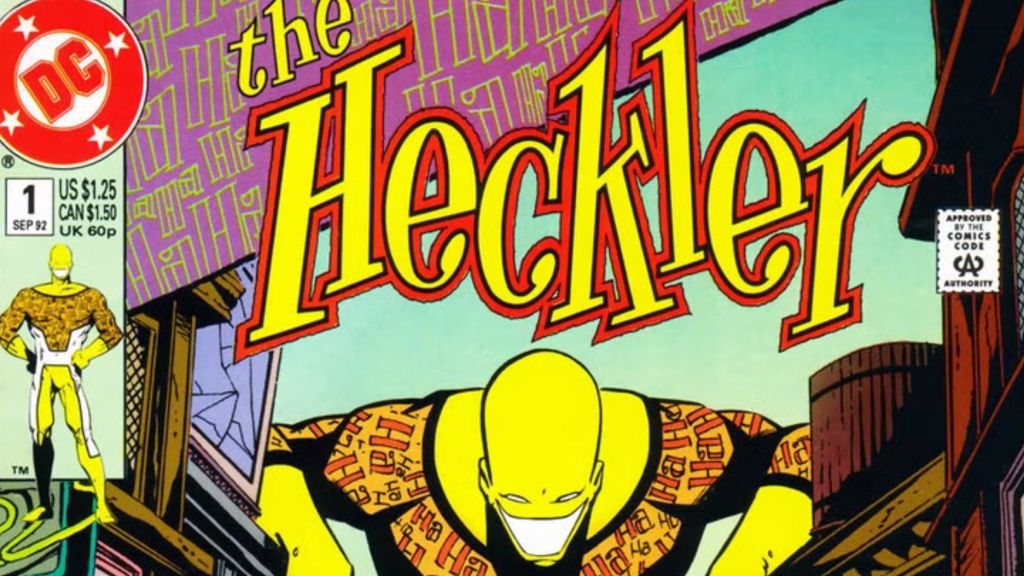
The Heckler might be the most aggressively forgotten DC hero ever and that’s saying something. His method of crime-fighting relied on verbal harassment, psychological destabilization, and absurdist humor. The series was an attempt to satirize grim ’90s antiheroes by weaponizing annoyance instead of violence.
The comic was canceled after 6 issues due to poor sales and reader backlash. Unlike later meta-humor successes, The Heckler lacked narrative grounding or emotional stakes. DC has largely avoided referencing him since. The Heckler didn’t even earn nostalgia. He exists today only in footnotes and “worst ideas” lists — a hero so obscure that obscurity feels like mercy.
What do you think? Leave a comment below and join the conversation now in the ComicBook Forum!
Most Viewed
-
Image Courtesy of Marvel Comics