X-Men comics have always been more than capes and laser eyes. They grew from a teenage mutant soap opera into Marvel’s most intellectually layered franchise. You can see that evolution in everything from the melodrama of the Claremont era’s inner turmoil to the cerebral mythology of modern runs.
Videos by ComicBook.com
Part of the series’ genius lies in its dysfunction. No other superhero family thrives so much on tension, betrayal, and bad breakups. Telepaths fall in love with feral Canadians, team leaders die gloriously every other event, and mutant politics somehow manage to be both inspiring and a bureaucratic nightmare. And fans love every messy bit of it.
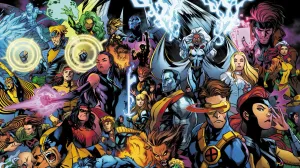
10. X-Men: God Loves, Man Kills (1982)
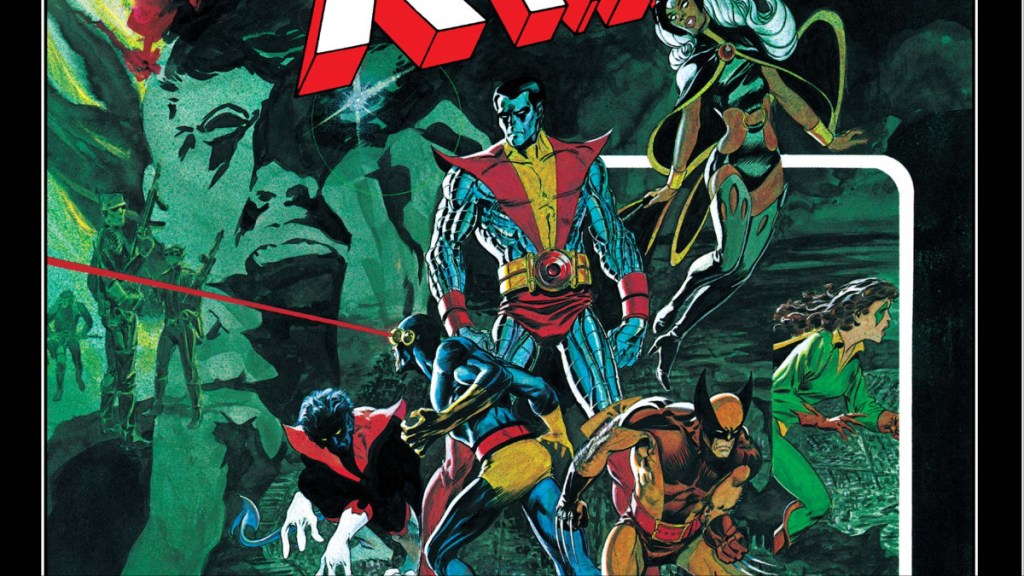
Chris Claremont and Brent Anderson’s God Loves, Man Kills captures the essence of what X-Men has always stood for. It’s a sharp political and social commentary that deals head-on with prejudice, fanaticism, and moral hypocrisy. This isn’t just another superhero story; it’s a grim reflection of human nature wrapped in mutant metaphor.
The tone is darker and more grounded than typical X-Men tales, with the villain Stryker standing as one of the most chilling antagonists the mutants have ever faced. The story hits harder because it could so easily happen in the real world. It’s uncomfortable, raw, and absolutely unforgettable.
9. X-Men: Days of Future Past (1981)

Few stories have had as much cultural impact as Days of Future Past. In just two issues, Claremont and John Byrne created a time-travel epic that influenced decades of X-Men lore and multiple films. It introduced the idea of dystopian futures where mutants are hunted to near extinction.
The storytelling balances political allegory with thrilling action. Kitty Pryde’s emotional journey through time grounds the narrative, making it more than just a fight for survival. It’s a warning about intolerance, showing how easily fear can destroy everything.
8. Astonishing X-Men: Gifted
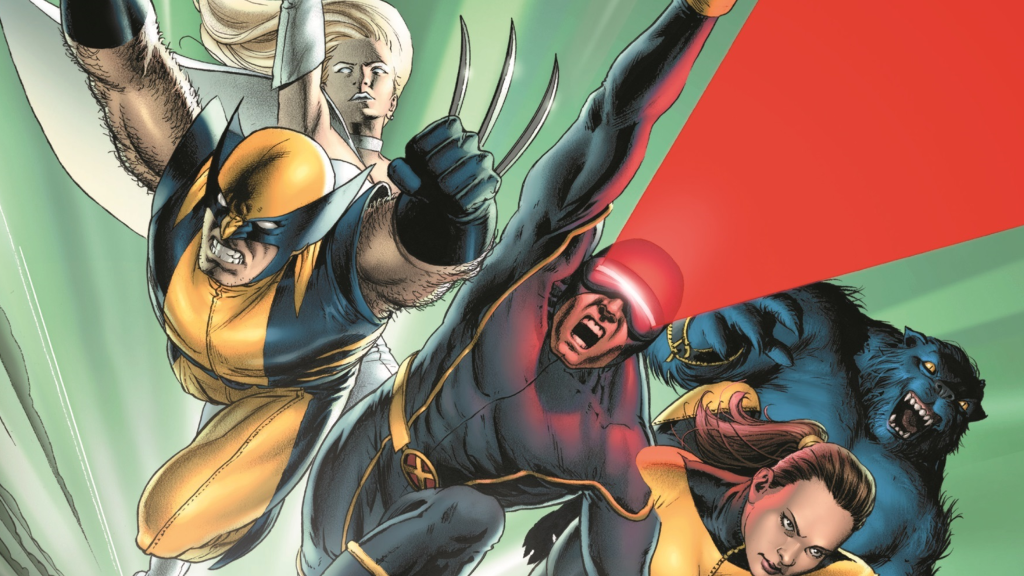
Joss Whedon and John Cassaday revitalized X-Men with Gifted, giving fans a perfect blend of humor, intelligence, and high-stakes emotion. The concept of a “mutant cure” forces every character to confront how they see themselves and what it means to belong. That moral tension makes the narrative powerful and deeply human.
Cassaday’s art gives each panel cinematic weight. Whedon’s dialogue is crisp and character-driven. This run bridges classic X-Men drama with modern pacing, proving that superhero comics can have big ideas and blockbuster excitement.
7. Uncanny X-Men: The Dark Phoenix Saga
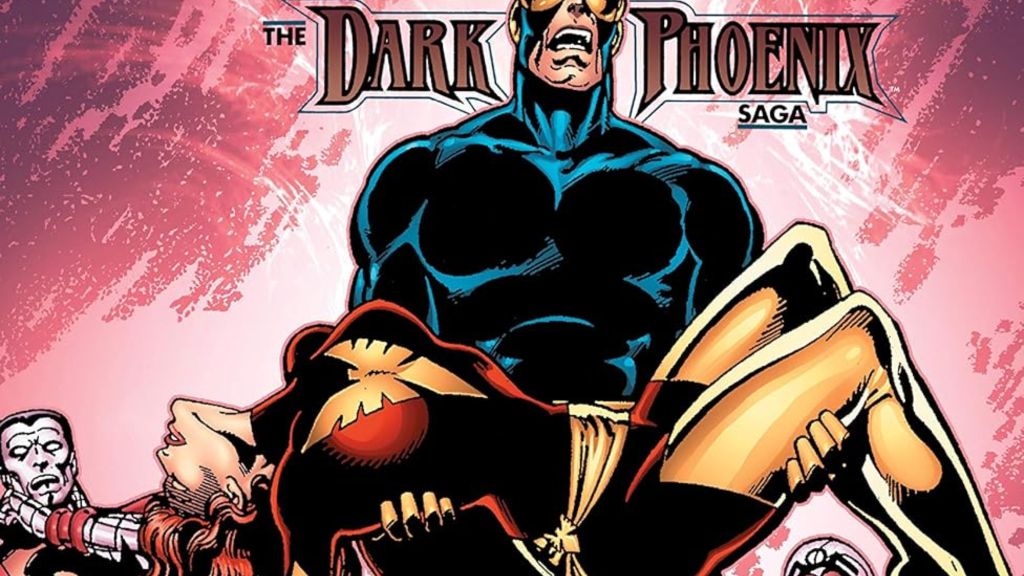
If you only know The Dark Phoenix Saga from the films, the comic version will feel like a revelation. Claremont and Byrne crafted a storyline packed with tragedy, cosmic drama, and raw emotion. Jean Grey’s transformation from hero to unstoppable force isn’t sudden— it’s terrifyingly inevitable.
What elevates the story is its emotional honesty. Every team member feels the weight of what’s happening, and the closing moments still cut deep decades later. It’s a cornerstone of superhero storytelling.
6. New X-Men by Grant Morrison (2001–2004)
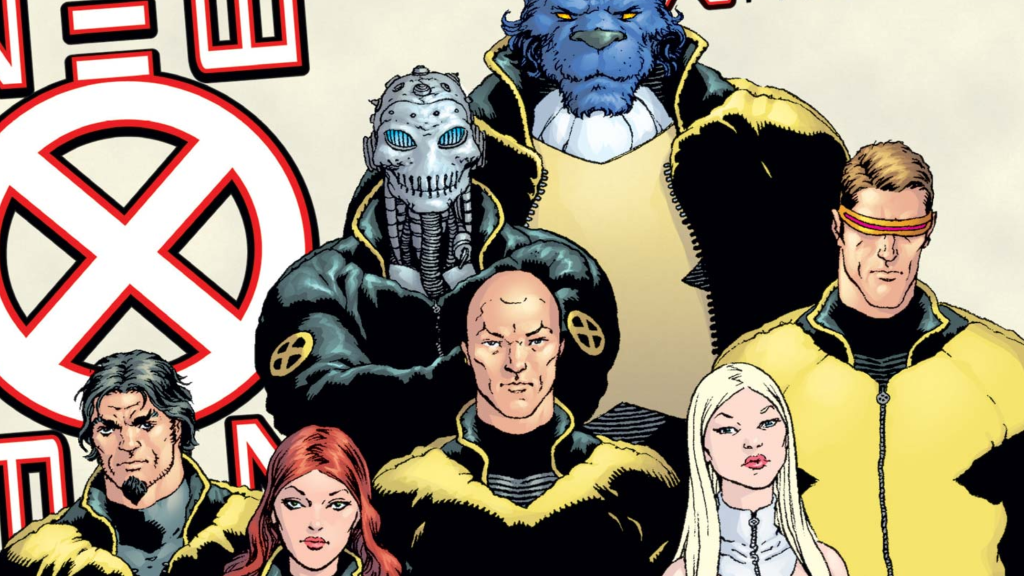
Morrison blew up X-Men conventions with a bold reimagining of what mutant culture could be. His New X-Men run turned Xavier’s School into a full-blown society, complete with politics, philosophy, and a messy realism that felt urgent and new. He leaned into the idea that mutation wasn’t just a power—it was evolution itself.
Frank Quitely’s distinctive art complemented Morrison’s strange, cerebral plots perfectly. This run infused the franchise with energy, innovation, and a punk futurist edge. For many readers, it remains the most imaginative X-Men era ever published.
5. House of X / Powers of X (2019)

Jonathan Hickman didn’t just reboot the X-Men — he reinvented them. House of X / Powers of X transformed the mutants from a persecuted minority into a global power with their own nation, laws, and vision of the future. It felt like the start of a new religion built from decades of mutant struggle.
Every page demands attention, mixing philosophical depth with bold, intricate world-building. It’s dense, often puzzling, but endlessly rewarding. Hickman made the mutants feel mythic again, and the era that followed still echoes his ideas.
4. X-Men: Grand Design
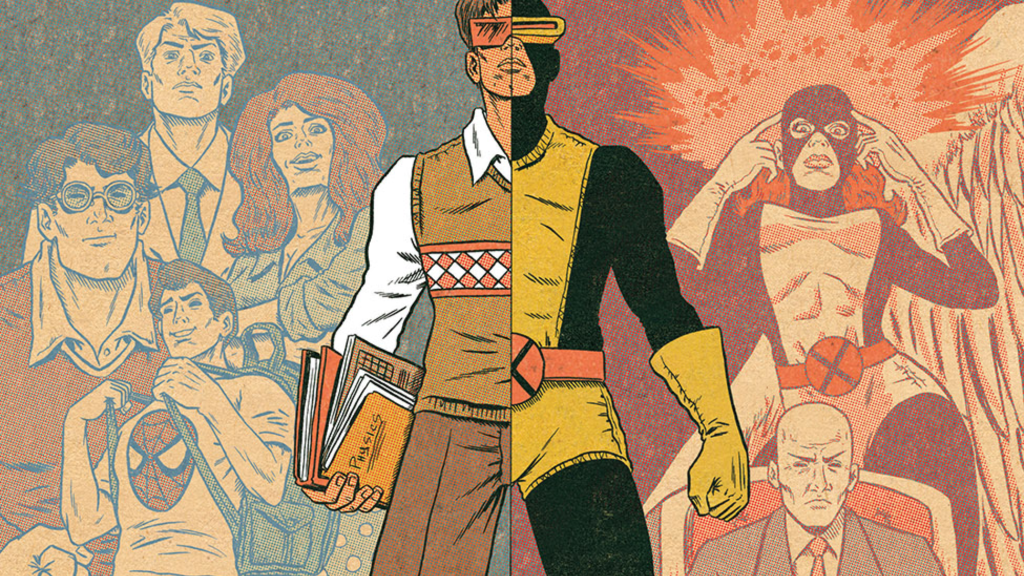
Ed Piskor’s Grand Design is a love letter to X-Men history. It compresses decades of storytelling into one seamless saga, merging continuity chaos into a cohesive narrative. Piskor’s vintage art style pays homage to the medium’s Golden Age while retelling X-Men history with modern clarity. It’s the perfect read for newcomers who want the full myth without wading through hundreds of back issues.
3. The Trial of Magneto (Uncanny X-Men #200, 1985)

Before the modern era redefined him, The Trial of Magneto examined whether the mutant leader could ever be redeemed. The trial turns into a mirror reflecting every moral contradiction the X-Men face — how much forgiveness a persecuted man deserves and how justice fails those born different.
The writing captures the tension between Charles Xavier’s idealism and Magneto’s desperation. This was the story that turned Magneto from cartoon villain into tragic revolutionary, setting a template for complex comic book antagonists that persists today.
2. Age of Apocalypse (1995)
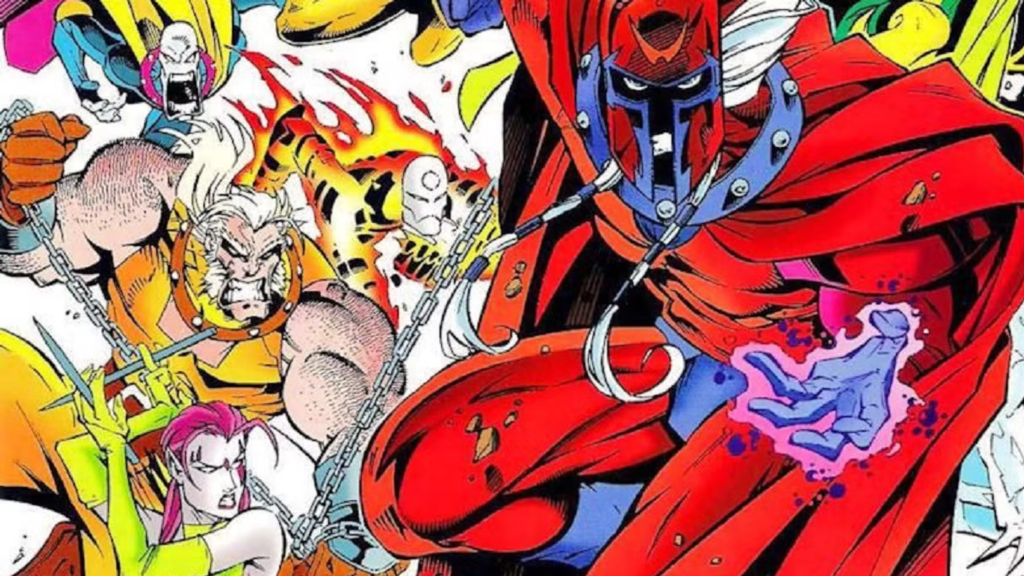
What if Charles Xavier died before founding the X-Men? Age of Apocalypse answers with chaos and brilliance. This alternate timeline event turned everything upside down—heroes became villains, villains became rulers, and mutantkind teetered on the edge of extinction.
Despite being sprawling and over-the-top, it delivers staggering emotional payoff. It’s a rare crossover that feels purposeful rather than gimmicky, pulling together themes of sacrifice, hope, and twisted destiny. It’s pure 90s excess in the best way possible.
1. Giant-Size X-Men #1 (1975)
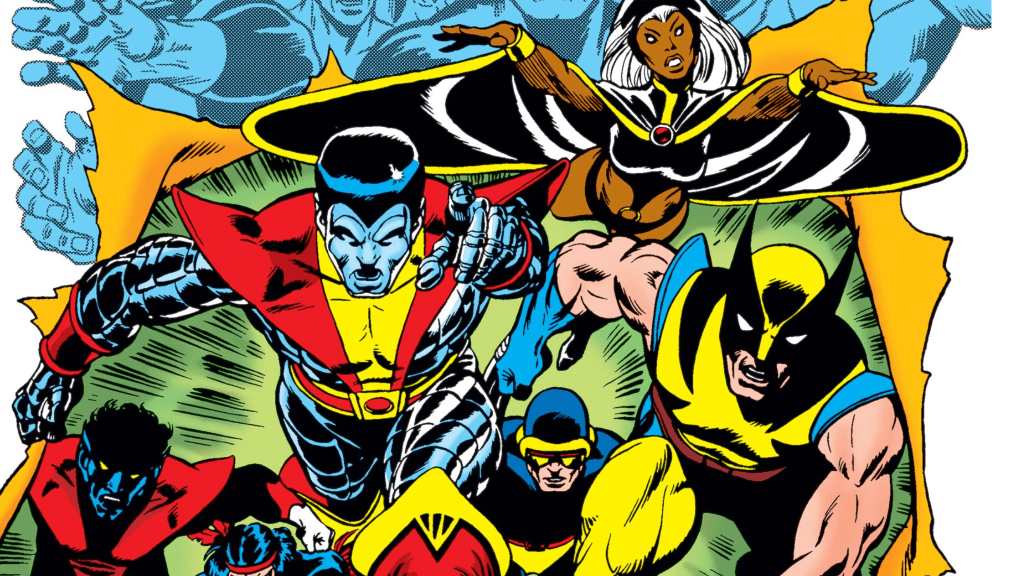
This single issue changed comic history. Len Wein and Dave Cockrum introduced a new, international team — Storm, Wolverine, Nightcrawler, and Colossus among them — and redefined what X-Men stood for. It was bold, diverse, and instantly timeless.
The story itself, rescuing the original X-Men from Krakoa, set a new standard for superhero team comics. It was a rebirth that laid the groundwork for Claremont’s monumental run and everything that followed. Every modern X-Men story traces its DNA back to Giant-Size X-Men #1.
What do you think? Leave a comment below and join the conversation now in the ComicBook Forum!
Most Viewed
-

Image Courtesy of Amazon MGM Studios -

Image courtesy of Marvel Studios -

Image courtesy of PerBlue