Daredevil is often considered one of Marvel’s most consistent heroes. He’s had relatively continuous ongoing comics since his introduction, and each one has been pretty good. Obviously, no hero has a perfect track record. Everyone has at least one bad run at some point. Look at Spider-Man, who has some of Marvel’s best and worst stories under his belt. Compared to that, Daredevil’s runs have had a somewhat consistent level of quality over the years. Not every story is good, but nearly every run has something for people to enjoy. Unfortunately, the streak of fantastic runs ended with the latest one.
Videos by ComicBook.com
The newest twenty-five issue run on Daredevil has finished, and the final issue encapsulated everything wrong with the entire series. It insisted on resetting everything back to the status quo while also charging ahead in a new direction that makes no sense for the characters running into it, and ended in a fizzle instead of a bang. This run had more than a few problems, and today we’re going to discuss them.
The Dreaded Status Quo

The status quo is essential for superhero comics. They are meant to be never-ending stories, and the only way to be able to create new scenarios with these eternal characters is to have a firm base from which you can step off. This is what makes permanent status quo changes so rare. Alter the formula too much and you risk losing the original, which has already been proven to work just fine. Chip Zdarsky’s acclaimed run on Daredevil, the run right before this one, introduced major changes to the Daredevil mythos, like having Fisk retire from crime and Matt be reborn as a priest with no memories of his past life.
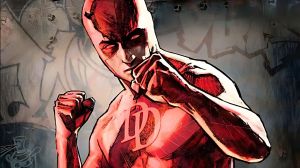
Everyone knew that Matt would become the Man Without Fear again; that was obvious and expected. The status quo needed to be restored. However, this run was committed to returning everyone and everything to their status quo. Matt became Daredevil immediately, Kingpin returned to crime, Matt was on the outs with his loved ones, and Matt left his job at St. Nicholas. None of these are bad things, but the way they happened is. It felt less like a return to form and more like the story was interested in checking off the boxes it felt it had to. The return was shallow, not natural.
Look at issue #25, where the final scene is Matt and Elektra reconciling. She has valid reasons to be angry at him, but clearly still cared deeply for him, and asked him if he wanted to part ways when he tried to. Matt started to talk about how much he missed her, and ended it by alluding to how much he wanted to have sex with her. Instead of being a big, emotional catharsis, it was Elektra telling a crude joke about Matt’s libido, and their relationship started again. This exchange doesn’t feel true to either character, especially not Elektra. It was rushed because the plot demanded it, like every other return in this story.
New Directions With Zero Depth

The other biggest problem of this comic was actually the opposite of the status quo: its new ideas. Look at Kingpin’s final confrontation with the two Daredevils in this issue. After committing several murders across the city, Fisk declared his intent to literally become God. He then used a MacGuffin to immediately disable both heroes and disappear to accomplish his quest. Whether you like this new direction for Fisk or not isn’t the issue; it’s how it’s presented and dug into.


Matt’s reaction to his worst enemy’s ambition to become God was bog-standard, and that’s the problem. Matt is a devout Catholic, and he literally fought Kingpin in a church after he almost murdered a priest, yet Matt is reacting like he’s emotionally detached from everything. Matt’s response here can be forgiven, as this run was abruptly canceled and there was only so much time to wrap it up, but this has been a problem the entire time. The run had very interesting ideas, like having Matt fight the seven deadly sins and reflecting on how he struggles with each of them, and going through a crisis of faith and struggling to believe, but it never covers them in anything beyond surface level.
Matt’s catholicism is consistently evoked in his fights with the sins and his struggles to keep his faith, but only to a basic degree. We are told how each sin is in line with his character, but we don’t see them tied to his past or present actions. We are told Matt is struggling to believe, but instead of exploring what that means, we simply exist in the struggle. This isn’t bad, it’s just not living up to the potential it promises. Much like the nineteen issues of Matt fighting the sins, Fisk’s multiple-page-long declaration of becoming God has a lot of potential for story and character exploration, but it only gives us the essentials and marches on.
This run spent a lot of time presenting ideas that carry a lot of power, but not nearly as much time developing those ideas. This run stands out against the rest of Daredevil’s history for not reaching the potential it should, but that doesn’t mean it shouldn’t have happened or anything like that. There’s a lot of value in this run and the ideas it presented. If one of the worst Daredevil runs in recent memory is only bad because it fails to reach its own potential, but still has great ideas, then that’s something to praise for the character and the creative teams behind him.
Still, I’m personally happy that this run is finished, even if I’m a bit apprehensive about where the Man Without Fear will be going next. I haven’t been sold on Kingpin’s quest for godhood yet. What do you think? Leave a comment below and join the conversation now in the ComicBook Forum!
Most Viewed
-
Image Courtesy of DC Comics -
Courtesy of TOHO Animation -

Image Courtesy of MAPPA