Microsoft is a truly massive company, whose acquisition of several notable developers over the last couple of years has expanded the scope of its impact on the larger gaming industry. Some of their titles include the biggest names in gaming, including generation-defining releases like Minecraft. It’s the kind of game whose influence can be felt in dozens of subsequent titles, ranging from AAA releases to indie developers experimenting with established formulas.
Videos by ComicBook.com
One such game was Allumeria, which was clearly inspired by Minecraft on some level but added its own lo-fi vibes and unique gameplay mechanics to distinguish itself from the more famous competition. It apparently was too similar for Microsoft, though, which initially got the game pulled from Steam with a DMCA takedown. However, Microsoft’s decision to back away from that potential legal battle could set a major precedent for the industry that helps out indie developers for years to come.
Microsoft’s Has Backed Away From A Legal Battle Over Allumeria
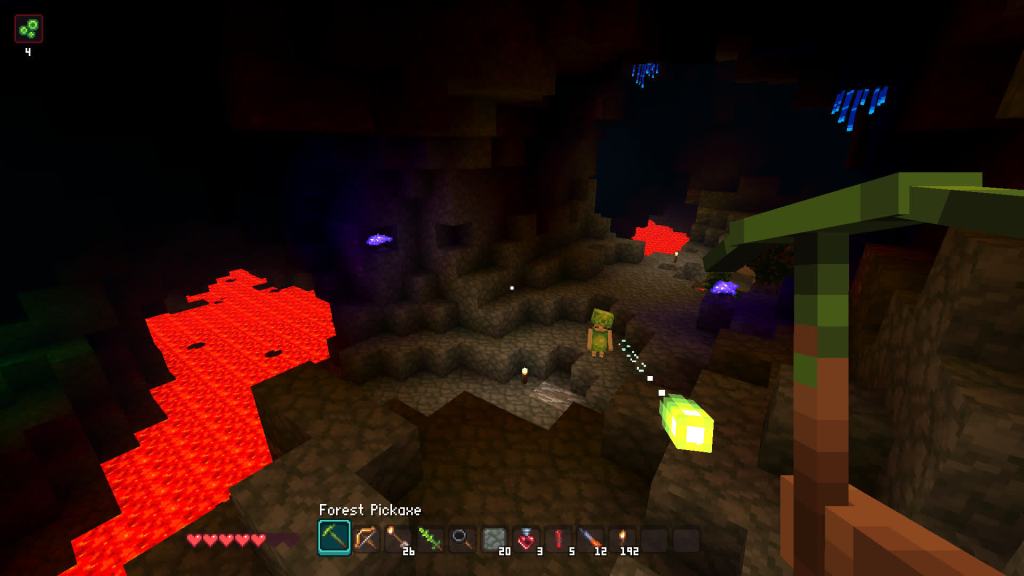
The Minecraft-esque Allumeria developer Unomelon was issued a DMCA takedown by Microsoft, but the game’s demo has been restored to digital platforms after the DCMA was withdrawn, hinting at a potential trend in future games. Allumeria is clearly influenced by Minecraft, with a similar retro visual aesthetic and sandbox gameplay. This prompted Minecraft owner Microsoft to claim that the game was infringing on the gameplay and assets of Minecraft. Despite backlash from other developers of other similar sandbox games that didn’t earn a similar takedown attempt, Allumeria — which currently has a demo available and is planned to formally release later this year — was pulled from the Steam Store. However, not long after the initial takedown was issued, Microsoft withdrew the copyright claim and clarified that Inomelon didn’t need to do anything to prevent a lawsuit.
It’s an interesting turn of events, especially given the scale of Microsoft and the chances they might have been able to, if not outright win the lawsuit, extend it long enough that Unomelon simply backed out of the battle. Instead, Microsoft formally backed away from the battle before it could ever reach court. It’s possible that the game was issued the takedown request because it was flagged by an automated claiming service called Tracer.AI, only for legal representatives at Microsoft to note enough differences between the game to make any such claim more difficult to win in court. It’s a big win for Unomelon, and the notice of the brief DMCA takedown has pulled more eyes onto the game. If anything, that might have even earned more attention for the game and could help it gain more players at launch.
What Microsoft’s Retreat Over Allumeria Could Say About Gaming’s Future

What’s interesting about the Allumeria situation is what it could say about the future of similar cases. The modern gaming industry has seen multiple lawsuits over similar game designs, with varying degrees of success. Sony’s potential legal battle with Tencent over Light of Motiram was settled out of court, with the game pulled from digital platforms like Steam after being accused of being a rip-off of Horizon: Zero Dawn. Meanwhile, Nintendo’s efforts to sue Palworld over its similarities to Pokémon have raised questions about whether or not a developer can copyright a game mechanic like creature capture.
Efforts to ascribe ownership to game concepts are a tricky beast. While certain characters and world-building can be argued to be derivative of copyrighted material — look at the Light of Motiram controversy regarding that — it seems that addressing direct game mechanics and similar aesthetics is a more legally thorny issue. Gaming, as with any art form, thrives on influence and inspiration. There are countless games that can claim that their underlying design is building on the mechanics that were initially crafted by earlier developers, and yet they have enough unique elements to feel like something wholly different.
The possibility that a handful of developers could monopolize an entire genre of game was a worrisome one, even if Nintendo felt somewhat justified in its attempts to draw attention to the similarities between its games and Palworld. The DCMA by Microsoft against Allumeria could be seen as an extension of that impulse, an attempt to clamp down on games that hew a little too closely to the specific style of sandbox gameplay that Minecraft popularized for a broad audience. That’s what makes this development so important, as it suggests that Microsoft either didn’t think it had the legal standing to win that battle, or they didn’t want it in the first place and the DMCA takedown was a mistake they didn’t mean to pursue.
It suggests that one of the biggest companies in gaming doesn’t see such an approach as an easy win, either on a legal basis or in the court of public opinion. This could bleed down to other companies who follow suit, allowing developers to play with established ideas without concern that they will automatically be shut down by a larger corporation. Allumeria‘s situation is a victory for the indie developer that could end up setting a precedent that continues to benefit developers for years to come.
Most Viewed
-

Courtesy of Crunchyroll -

Image Courtesy of WIT Studio