Gameplay in Arc Raiders has always thrived on uncertainty. Its PvPvE structure forces players to constantly reassess risk, reading the environment, enemy behavior, and even silence as potential threats. You never quite know what kind of squad is watching you from a distance, or whether the next encounter will turn hostile at a moment’s notice. That ambiguity fuels tension in a way few PvPvE games manage, making every match feel reactive rather than rehearsed or scripted.
Videos by ComicBook.com
That tension has come under scrutiny following Embark Studios’ confirmation that Arc Raiders uses aggression-based matchmaking, pairing highly combative players with similarly aggressive opponents. While there is a strong chance this system has been operating quietly for some time, the confirmation itself has triggered intense debate. Some players see validation in how matches have felt all along. Others see the reveal as a crack in the game’s carefully maintained uncertainty. For a title built on gut instinct and incomplete information, knowing how the gears turn has proven just as controversial as the system itself.
Fans Clash Over Aggression-Driven Matchmaking
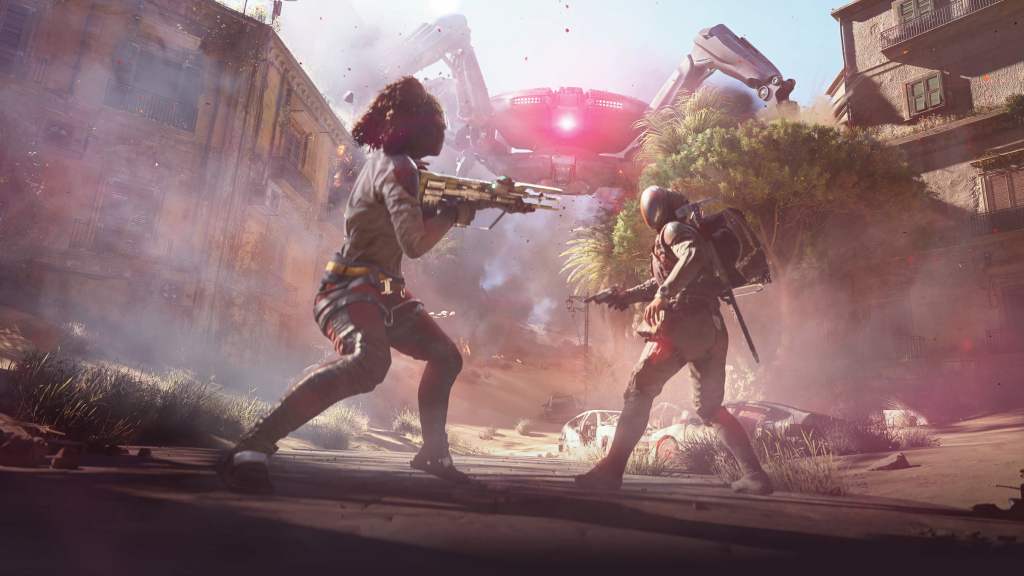
The community response has basically fractured into three broad camps. One group of aggressive players welcomes the confirmation, arguing that it explains why certain matches feel consistently intense. They enjoy the predictability of knowing they are likely facing equally combative squads, which turns encounters into skill-forward tests of positioning, aim, and coordination. For them, the system reinforces fairness and removes some of the frustration that comes from running into players who avoid combat entirely.
A second group of aggressive players feels the opposite. While they enjoy combat, they believe unpredictability is what gives Arc Raider’s PvPvE gameplay its edge. Not knowing whether another squad will engage, retreat, or attempt something strange is part of what keeps tension high. With the matchmaking logic now out in the open, those encounters feel less organic. When aggression is expected rather than inferred, fights can feel more mechanical, even if they remain challenging.
Then there is the PvE-focused crowd, which has largely responded positively. By grouping the most aggressive players together, the system creates lobbies where objective-focused players encounter less constant pressure. This allows for longer stretches of exploration and mission progress without frequent interruptions. From this perspective, aggression-based matchmaking feels less like a restriction and more like a quiet quality-of-life improvement that preserves their preferred way of playing.
The Divide Between Peaceful and Aggressive Players Deepens
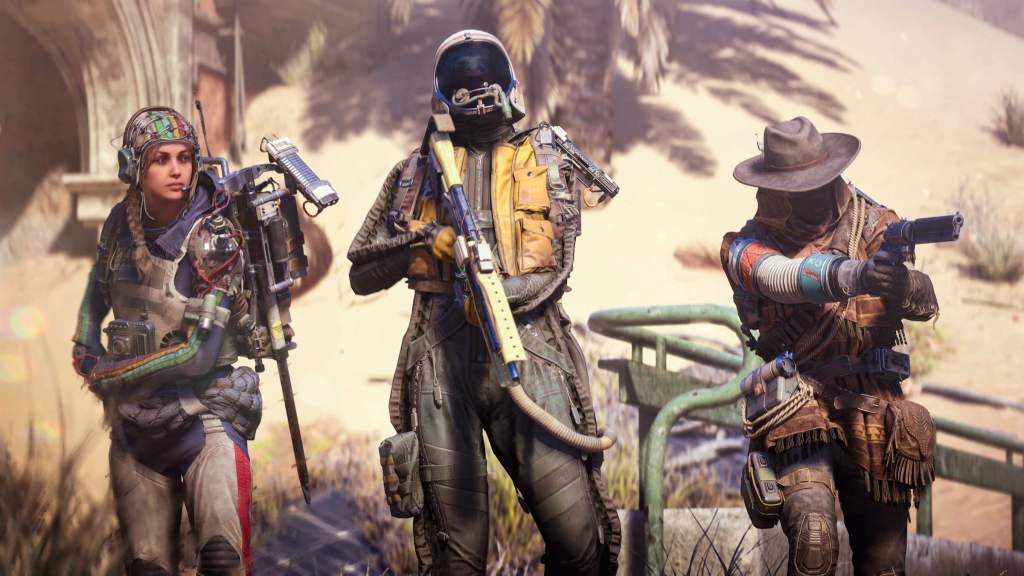
What has made the debate particularly intense is that it goes beyond balance and into identity. Players are no longer just discussing tactics but labeling themselves based on intent. Aggressive, peaceful, PvE-focused, hybrid. These distinctions have always existed, but the confirmation has sharpened them, defined them. Discussions across the community increasingly revolve around what Arc Raiders should be, rather than how to simply play it well.
This divide becomes apparent during matches. Aggressive squads often move decisively, seeking engagements early and often. PvE-focused players tend to avoid unnecessary fights, prioritizing objectives and extraction routes. With aggression-based matchmaking now understood, some encounters feel pre-decided in tone before they even begin. That shift subtly alters how players interpret silence, movement, and hesitation, which used to be rich with possibility.
This is fundamentally where the real damage lies. The system itself may not fundamentally break Arc Raiders, but confirming how it works removes a layer of psychological tension the game relied on. Before, everything was guesswork. You never knew if repeated hostility was a coincidence, bad luck, or a reflection of your own behavior. That ambiguity kept players second-guessing themselves and each other, which heightened tension in every encounter. This isn’t to say that these things can’t still be a thing, but knowing the conductor behind the mask does affect how you think about it.
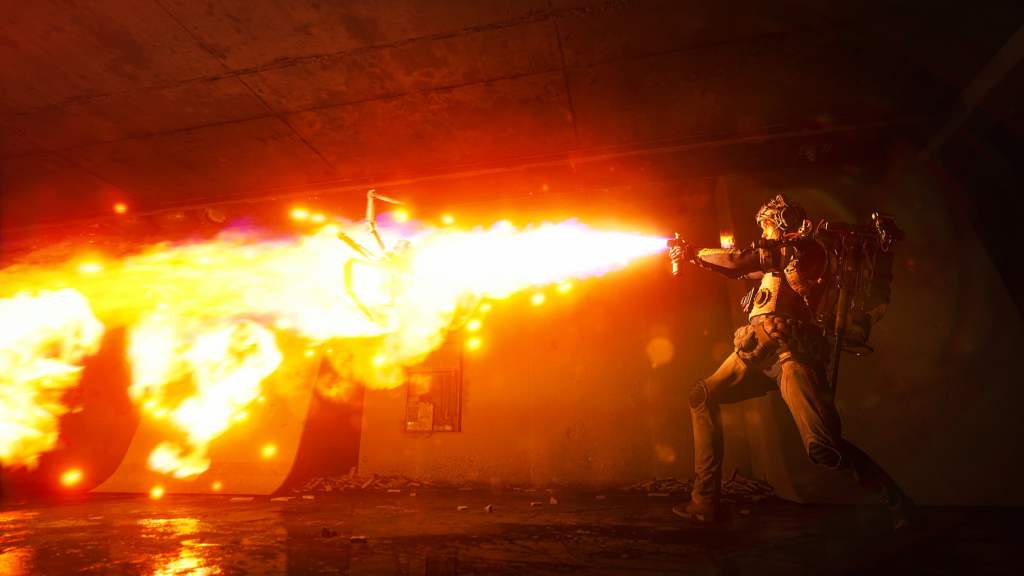
Where things change is in how certainty reshapes perception mid-match. When you believe you understand the matchmaking logic, you start predicting behavior instead of reacting to it. Aggressive squads expect aggression. Peaceful players expect breathing room. That knowledge influences decision-making before shots are even fired. Arc Raiders is at its best when players act on instinct and incomplete information, not quiet assumptions about invisible systems. The ongoing player numbers prove this to be the case. The game worked extremely well before this information was out in the open.
The confirmation turns gut feelings into conclusions. It replaces uncertainty with explanation, and while clarity can be comforting, it is not always beneficial in a PvPvE game built on tension. Ambiguity kept players guessing and adapting in real time. Certainty, even when accurate, flattens some of that emotional volatility. Encounters still happen, stakes are still high, but the question mark hanging over every interaction has shrunk.
That does not mean the game is worse across the board. PvE-focused players benefit. Competitive players get clearer matchups. The ecosystem remains functional and engaging. But something subtle has shifted. The magic of not knowing why a match feels the way it does has been replaced by an explanation that lingers in the back of your mind.
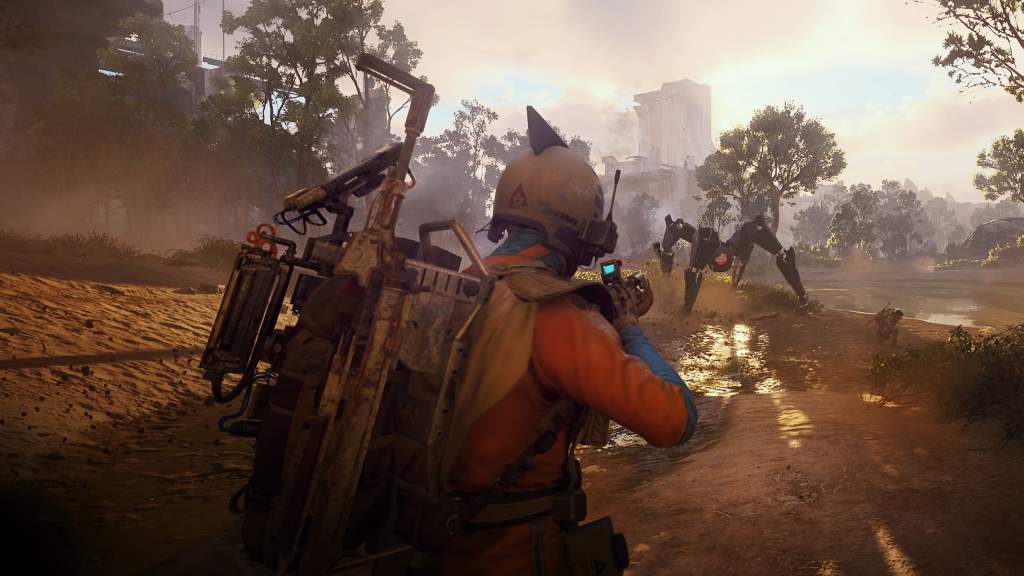
In that sense, the controversy is less about aggression-based matchmaking itself and more about what was lost when it was confirmed. Arc Raiders built its identity on tension born from uncertainty. Revealing the rules behind the curtain may have been transparent, but it also removed a layer of mystery that quietly and psychologically elevated every encounter. Whether that tradeoff is worth it will depend on what players value more: clarity, or the thrill of never being quite sure what is coming next.
What do you think? Leave a comment below and join the conversation now in the ComicBook Forum!
Most Viewed
-
Image courtesy of Tor Books/Macmillan -

Image Courtesy of Warner Bros. Pictures