Xbox shook the gaming industry to the core recently with a wave of layoffs across various developers that only underscores the challenges facing developers in these uncertain times. Although Bethesda didn’t suffer the same fate as other developers under the Xbox umbrella, it does find itself facing an uphill battle going forward. While Microsoft has been very vocal about its desire to see The Elder Scrolls 6 launch as soon as possible, over 50 layoffs across the company have reportedly done a number on the morale of those developers that remain.
Videos by ComicBook.com
As reported by IGN, current and former staff members at the company suggested that the firings also impacted “key, high-performing people” who have been working on the follow-up to Skyrim. This has left morale low and fears high at the company, especially as the expectations for the sequel to Skyrim have only grown higher and the game’s release date is still unconfirmed. In the current circumstances, it seems like there aren’t a lot of good options for developers, especially as the realities of Xbox’s layoffs will continue to be felt for years.
Bethesda Is In Bigger Trouble Than Anyone Realizes
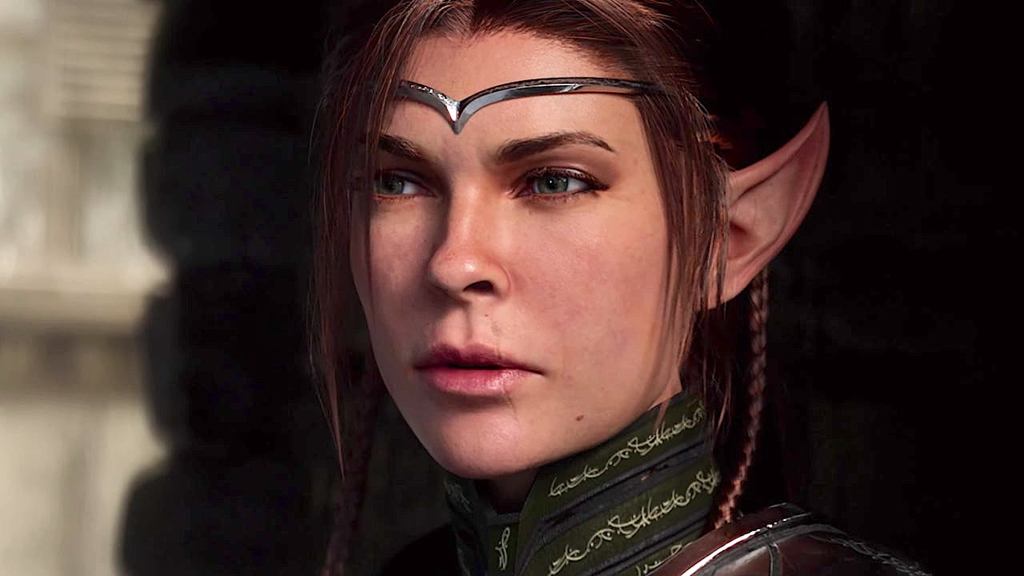
The staff at Bethesda is fearful for the development of The Elder Scrolls 6, citing concerns that the remaining developers will be pushed to the brink now that they’ve lost dozens of employees as part of Xbox’s sweeping layoffs. According to developers at the company who remained anonymous out of concern for their future career prospects — which, on the outside, feels fair, given that Xbox’s layoffs reportedly impacted roughly one-fifth of its total staff. One Bethesda developer told IGN that the fear at the company is that the experienced staff will be replaced with contractor labor or developers that need to be onboarded to Bethesda’s unique development tools. As a result, the game could suffer delays — or, more likely, crunch time might set in to push the game out earlier.
Crunch time has been cited as a chief reason behind developer burnout and the falling mental and physical health of workers in the video game industry, with employees pushing themselves to the brink in an effort to achieve faster release dates. This has left the developers at Bethesda concerned for their future at Xbox, which doesn’t seem like an ideal mindset for anyone working on massive titles like The Elder Scrolls 6. That’s all on top of the developer still being reportedly years away from launching the game, which was first announced nearly a decade ago. There are expectations internally that staff members from ZeniMax Online Studios can fill in the gaps with their experience on The Elder Scrolls Online, but that team has also been severely impacted by the layoffs — and considering that game might have been quietly offsetting losses elsewhere in the company, it doesn’t bode well for the franchise at all. As such, it feels like the current online game is being pulled apart to try and prop up the larger team, which doesn’t help either game.
Why Bethesda’s Problems Might Just Be The Beginning
At least from the outside, there seem to be three possible paths forward on the development of The Elder Scrolls 6, none of which are promising for the game developers at the center of this story. In one scenario, the necessary delays needed to onboard new workers and cheaper labor result in serious delays for the game. Employees at Bethesda are already worried about that possibility, especially because it could lead Xbox to decide the cost of development has already gotten too high and they pivot to a different iteration of what The Elder Scrolls 6 could be — likely leading to more layoffs at one of the most acclaimed game studios in the industry. Alternatively, the game does get completed in an acceptable amount of time for the publisher, albeit at the cost of crunch time on the part of the developers. If the game is a success, that’s a win for Bethesda.
However, it could be taken by other companies as proof that this type of strategy can work, leading to further expectations of layoffs, cost-cutting, and crunch time at other companies. Conversely, the impacted development may lead to a lesser product, and The Elder Scrolls 6 suffers as a result, leaving fans frustrated and the game less of a success than Xbox was expecting. In that scenario, it seems unlikely that Xbox would take the credit for these decisions, instead shifting blame onto the development team it had gutted and using it as a further excuse to cut jobs — leaving plenty of talented developers looking for work in an industry that is already full of them. None of those scenarios are necessarily ideal, even if one of them at least leads to a good game. The industry needs to recognize the cost of “cost-cutting” practices like this, which leave developers in the lurch and put pressure on games to become staggering successes or be deemed failures. While indie space and the growing AA market prove gaming still does have a bright future, AAA developers and publishers need to not take the wrong lessons from the challenges facing Bethesda; otherwise, the entire industry (and by extension players) will suffer for years to come.
More Gaming
-

Courtesy of BioWare