In the current gaming space, there aren’t a lot of tie-ins anymore. In older generations of games, it wasn’t surprising to see scores of movies, shows, comics, anime, and more get direct game adaptations or tie-ins. Some of them were classics of their generation, and others were infamously bad (looking at you, E.T.). In the first decade of the 21st century, there was a real golden age of tie-in games that were elevated beyond the regular expectations of the style of game, including one that placed players into the role of Marvel’s Sentinel of Liberty.
Videos by ComicBook.com
Debuting on PlayStation 3, Xbox 360, Wii, and Nintendo DS on July 15 in Europe before making it to North America a few days later, Captain America: Super Soldier was the type of movie tie-in game that gamers just don’t get to play anymore. Nominally connected to Captain America’s Marvel Cinematic Universe debut, the game brought on several stars of the film for the story that takes place alongside the events of Captain America: The First Avenger. It was a clever way to benefit from the IP connection while still feeling like a genuinely fun game and is unfortunately an approach that modern developers and publishers don’t embrace anymore. The fifteenth anniversary of Super Soldier is a good reminder that this style of game produced plenty of strong titles and that we should not bemoan the current state of tie-ins in gaming.
This 15-Year-Old Captain America Game Was Exactly What Made Tie-In Games So Good
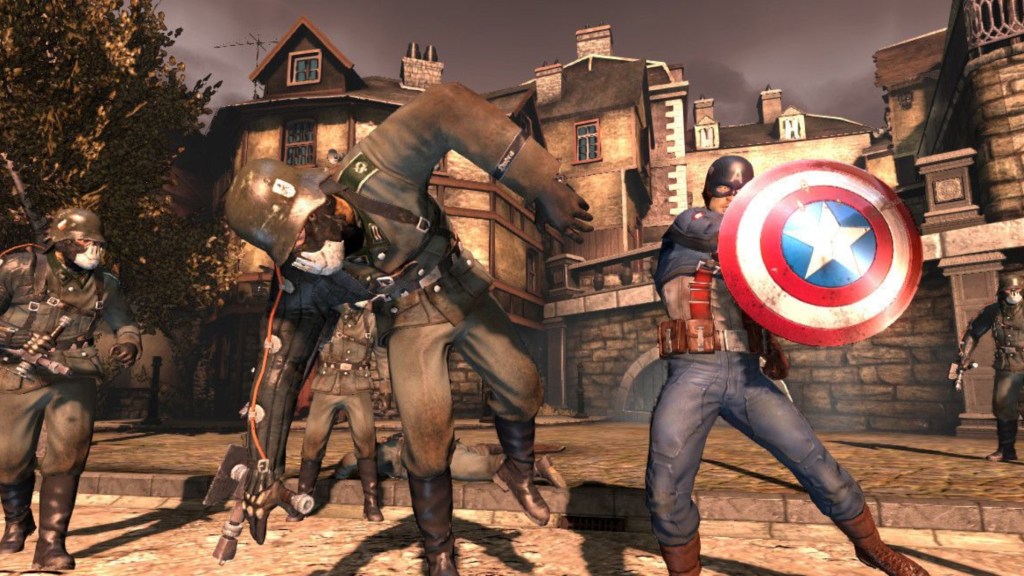
Captain America: Super Soldier is the kind of movie tie-in game we just don’t get anymore, and it’s a real shame. Based on the MCU film Captain America: The First Avenger, Super Soldier places players into the role of Steve Rogers/Captain America as they are sent into France on a mission to combat Hydra forces in 1944. The game’s plot effectively serves as a side story to the film, fleshing out the adventures of Rogers during the events of that film by pitting him against established foes like Red Skull while also indulging in otherwise unseen foes from the comics like Iron Cross and Madame Hydra. The game doesn’t contradict the film or interfere with it, even offering a bit more depth to Captain America’s adventures and adding new adventures for Steve and Bucky that make the fate of the latter in the source material more impactful in retrospect.
While elements of the game (like an emphasis on Quick Time Events) can get grating, the flexible combat and high-stakes adventures deliver a compelling experience for fans of the character. It’s a clever way to use the film’s release as a springboard for attention on the game. It let fans of both mediums expand their experience in a way that felt authentic to the movie while still being an engaging game. While it doesn’t have the depth or style of some of the best superhero experiences in gaming like the Batman: Arkham games or Marvel’s Spider-Man, there’s certainly a lot of good elements baked into this movie-inspired adventure. It’s exactly the kind of movie tie-in game that felt additive instead of derivative and the sort of thing that players (like this writer) loved about this era of games connected to other stories and media.
I Miss The Golden Age Of Movie Tie-In Games
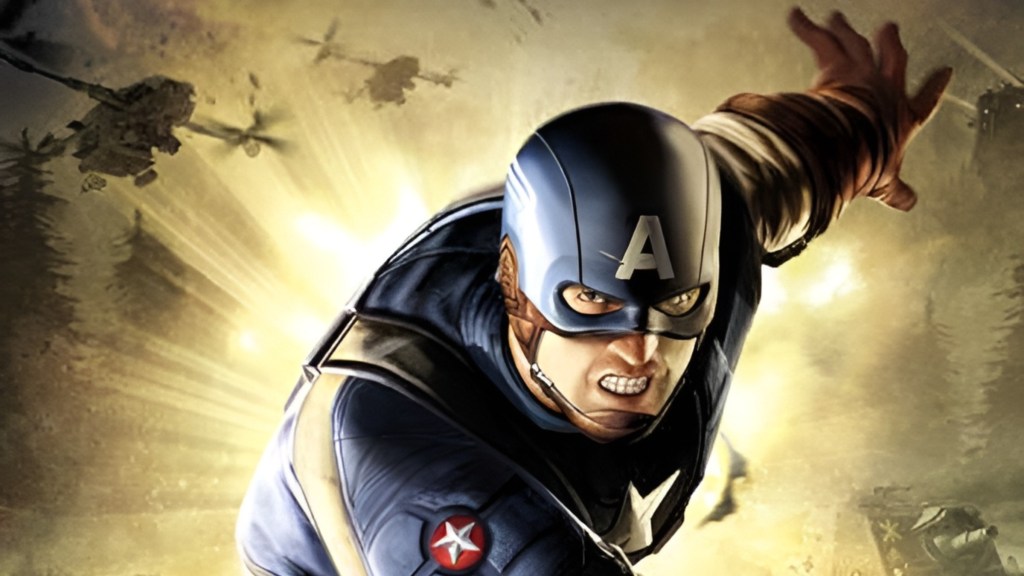
Movie tie-in games used to be a common game type to see on the shelves but have become more or less extinct in the modern era. Franchises are now seen inherently as cross-media, meaning they have their own specific games in mind or connections to online titles. It was a great way for developers to more fully establish themselves in the industry with a release that was almost certainly going to be a better seller thanks to the connection to the established IP. The expansion of the universes through gaming was especially effective as a way to tell fresh stories that effectively expanded the universe. Games like The Chronicles of Riddick: Escape from Butcher Bay were able to indulge in the genre, highlighting Riddick’s more grim elements through a tight, tense stealth game.
Spider-Man 2 highlighted how action games based on superhero movies could not only allow the player to feel like the hero but also expand the story and scope of the world. While Captain America: Super Soldier wasn’t as iconic as that wall-crawling adventure, Super Soldier took a similar approach to fleshing out the world with comics-inspired enemies and threats. The Godfather even created an entire side story that allowed the player to feel like they had agency in the established world. Movie tie-in games like that simply don’t come out anymore. In modern gaming, tie-ins are usually part of a larger game like Fortnite or rooted in reinventing older properties in unexpected ways. Super Soldier was the type of game that felt genuinely additive to the source material instead of just a recreation of it, giving developers a chance to make something unique that still benefited from that larger franchise connection. Fifteen years later, Captain America: Super Soldier is the kind of game that the industry could use more of.
More Gaming
-
Image Courtesy of Kwalee -
Image Courtesy of Sony Interactive Entertainment