Video games have been around since the 1950s, with the first, Tennis For Two, arriving in 1958. Over the years, more people experimented with what they could create, and in the 1970s, the video game industry was created with the success of Atari’s Pong. While not the first video game, as many people incorrectly believe, Pong was the first commercially successful game that demonstrated the profitability of video games. It didn’t take long for the market to become oversaturated with Pong clones, and it collapsed in 1977 as a result. Pong was still a thing, but the home market for Pong machines had evaporated.
Videos by ComicBook.com
That same year, Atari released the Atari VCS, which was renamed the Atari 2600 in 1982, and it became a huge success. The system wasn’t the first to feature swappable games, but it was the first to gain a significant market lead, becoming the dominant home video game console throughout the early 1980s. By the time Atari got the license for Space Invaders, the platform exploded with additional games, thanks to Space Invader’s excellent sales that surpassed 1 million copies. This should have set Atari up for long-term success, but it didn’t, because before long, the system became a victim of the Video Game Crash of 1983. It wasn’t because of Space Invaders — it was thanks to E.T. the Extra-Terrestrial.
Everyone Blames E.T. for the Video Game Crash of ‘83
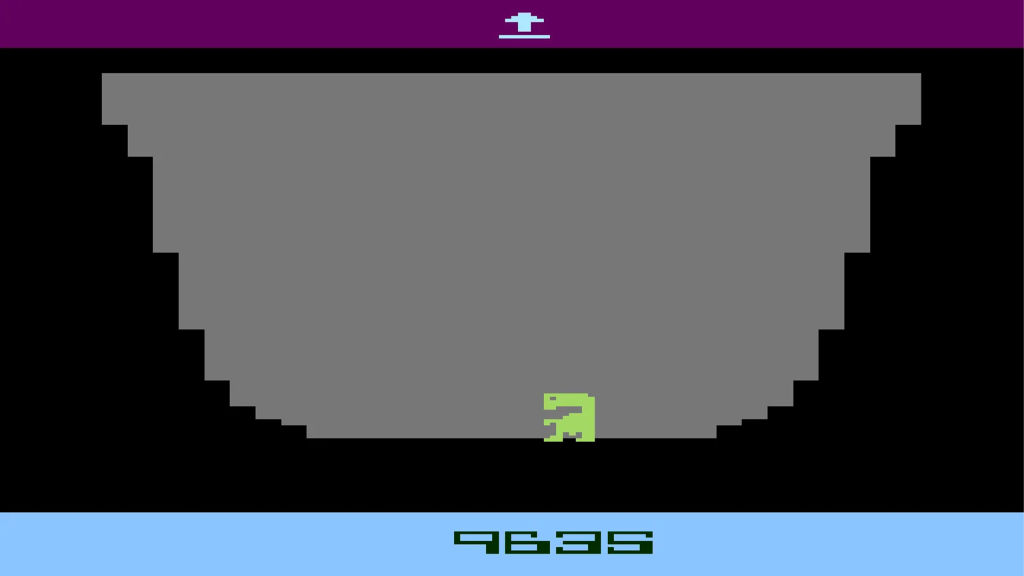
To be fair, E.T. the Extra-Terrestrial wasn’t the cause of the Video Game Crash of 1983, but it’s become synonymous with it. The biggest problems that led to the market crash were console oversaturation, competition from personal computers, and poor games. The Atari 2600 was the chief culprit of the latter concern, thanks to third-party publishers that flooded the market with what can only be described as digital crap. E.T. gets the blame, not only because it’s a bad game, but because it was the final nail in the coffin of consumer confidence in the games that were flooding the market.
What should have been a good game was anything but, and there were several reasons for this. Most notably, E.T. was rushed through development in only five weeks. That wasn’t enough time to put the game together properly, but it did get E.T. on store shelves in time for Christmas. What’s worse is that the game wasn’t a third-party piece of crap — it was developed in-house at Atari, and rushing it through development wasn’t a good idea. Sure, the movie was fantastic, but the game was a confusing hellscape with no clear goals and wonky controls that nobody enjoyed playing.

Atari produced so many copies that didn’t sell, thanks to how awful the game was, that it had to dump them in a landfill. This was an urban legend for decades, but it was eventually proven when a landfill outside Alamogordo, New Mexico, was discovered, and several cartridges were unearthed. It was all of Atari’s returned and excess stock, so it wasn’t just E.T., as the landfill included consoles and parts, other games like Pac-Man, and other items that Atari needed to unload. Of all the companies hit by the crash, Atari took the brunt, losing more than $350 million while laying off nearly a third of its workforce.
E.T. Was the Final Nail in the Coffin Following Years of Excess
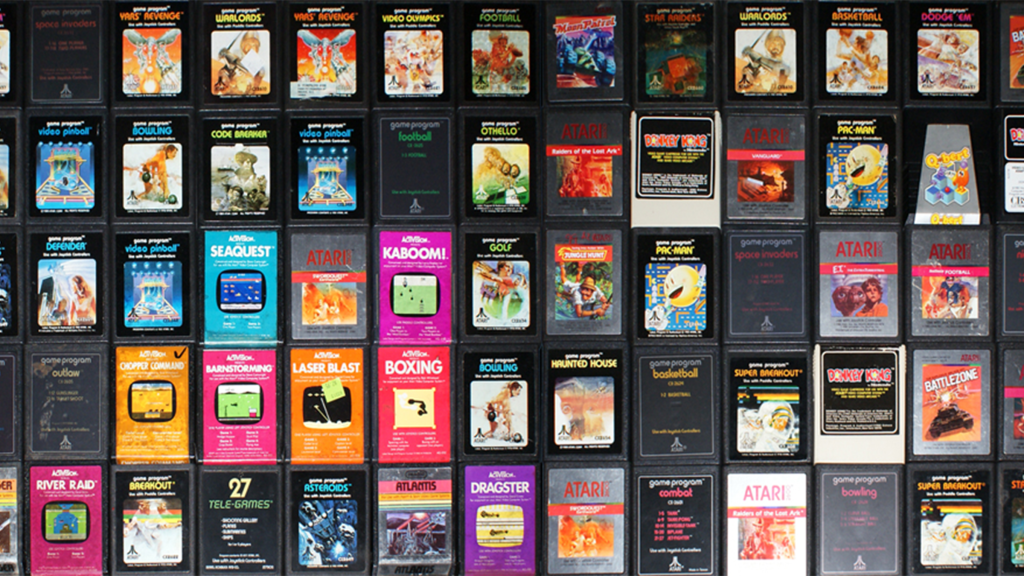
It’s easy to point the finger at E.T., but it was only one problem in a long list of them. The PC market was opening up in the early 1980s, with plenty of options for consumers, while third-party developers flooded home gaming consoles with trash. Sure, there were some good games, but the bad ones outnumbered them considerably. It all coalesced into a lack of consumer confidence in the entire video game industry, which some people labeled as a fad that had finally ended. Fortunately, that wasn’t the case, but it wouldn’t bounce back until Nintendo released the Nintendo Entertainment System in 1985.
Were you around during the Video Game Crash of 1983? Leave a comment below and join the conversation now in the ComicBook Forum!
More Gaming
-

Pokemon Happy Meal