Cyberpunk 2077 seemed like it had the world’s eyes on it when it launched in 2020. After years in development and multiple acclaimed gameplay trailers, eight million pre-orders were put in for the game ahead of its release on December 10. Early reviews called it a tremendous work, but those PC-only reviews failed to prepare gamers for a simultaneous console release that was later called one of the biggest debacles in gaming history.
Videos by ComicBook.com
Now, five years later, it’s worth looking back at the expectations Cyberpunk 2077 was under, the fallout of the release, and the current state of the game. Over the years, CD Projekt has continuously improved the experience, winning back over the gaming audience that it initially burned with the muddled launch of the title. However, have there been enough fixes to the game to truly make it the one-of-a-kind classic that gamers were hoping for?
Cyberpunk 2077’s Historic Build-Up
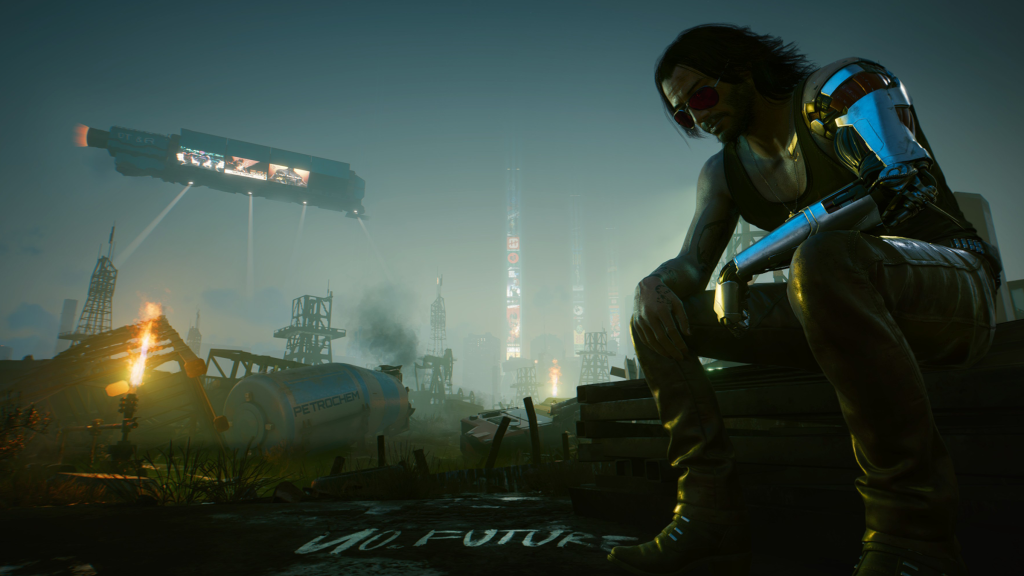
To say expectations were high for Cyberpunk 2077 would be an understatement. CD Projekt’s follow-up to the wildly successful The Witcher 3, development began in earnest in 2016, but had quietly begun years earlier when the game developer connected with Cyberpunk creator Mike Pondsmith and brought him on board as a consultant to keep the game consistent with his vision for the series. Formally announced in 2012, the game evolved into a story about the mercenary V in the west coast megalopolis of Night City. After having a digital copy of the rock star/terrorist Johnny Silverhand uploaded into their mind, V is forced into a sprawling adventure across the city for a chance to potentially save themselves.
After years in development, the game finally received an April 2020 release date at 2019’s E3. However, the game went through several delays that pushed the release back towards the end of the year. Excitement for the game was high, given the success of The Witcher 3 and the slick presentation of the sci-fi RPG — especially once Keanu Reeves was revealed to be playing Johnny Silverhand. Early reviews painted a positive picture of the game, although some fans were concerned that only PC copies had been sent out to the press for review. This ended up being somewhat prophetic of what almost sunk Cyberpunk 2077 in the long run.
How A Disastrous Console Release Almost Doomed Cyberpunk 2077
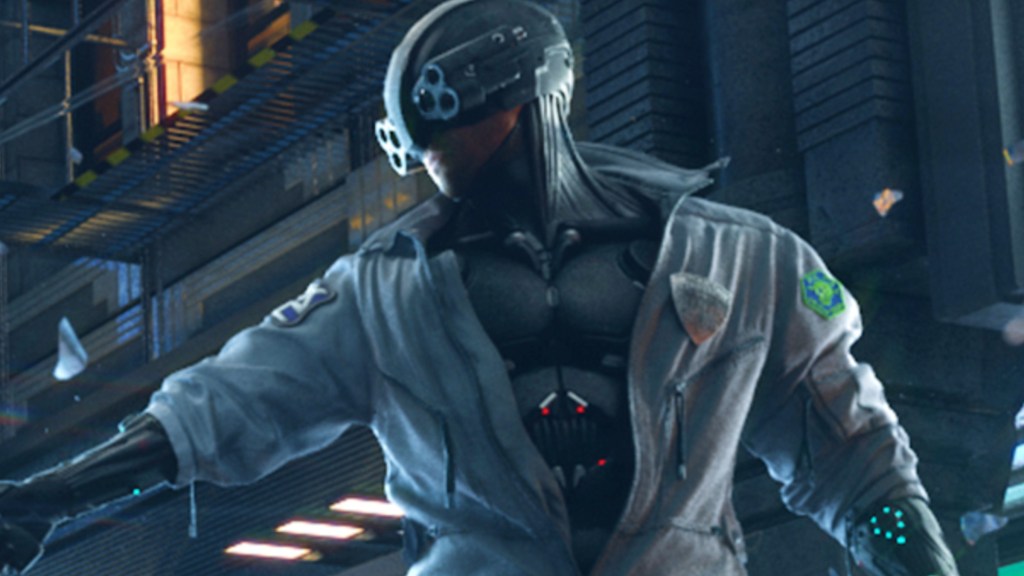
Cyberpunk 2077 landed on Windows, Stadia, PS4, and Xbox One on December 10, 2020. The game was met with largely positive reviews by members of the media, with a focus on the strength of the worldbuilding, visuals, and narrative — although some critics called out some aspects of the story as insensitive to marginalized communities. For the most part, though, the reception to the PC version of the game was strong. The game was an immediate success with players, with over a million concurrent players diving into the game on Steam. While the game had a very positive response on PC, the simultaneous console release was an entirely different story.
The initial launch on the PS4 and Xbox One was riddled with technical bugs and performance issues, to the point where the game was almost unplayable in some cases. It was such a catastrophe that Sony offered refunds to customers who purchased the game and outright removed it from the PlayStation Store for six months. While the Xbox One release remained available, the company added a warning to the title to inform potential buyers of the issues with the title. It got so bad, CD Projekt was the target of a class-action lawsuit claiming they had willfully misrepresented the game to the public and press.
Co-CEO Marcin Iwiński eventually released a statement that placed the blame for the buggy release on the company management, shielding the developers from the game’s irate fan base and announcing a lengthy plan to introduce patches to amend all the game’s problems. In the years since, Cyberpunk 2077 has improved immensely from that initial stumble, especially on consoles. Once the game could be released for the PS5 and Xbox Series X/S, the hardware was more capable of matching the elements of the game that were better suited for PC than consoles. The “Phantom Liberty” expansion also helped mend the game’s reputation, with further updates further enhancing the experience in the eyes of gamers.
How Does Cyberpunk 2077 Hold Up?
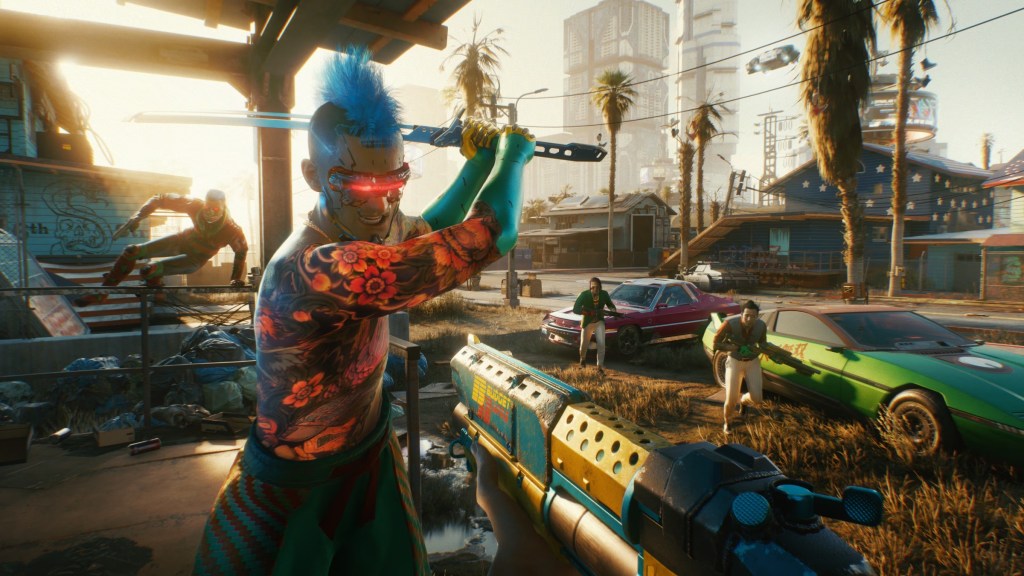
While the release may have been historically bad, Cyberpunk 2077‘s reputation has increased in the years since it debuted. The vast depth of the game’s worldbuilding makes it a stunning setting to explore, especially once the player gets the full opportunity to remake V into their idealized form. Like The Witcher 3, the game’s best strength is the ability it has to directly draw the player into a compelling and thematically resonant narrative while still letting them retain enough autonomy in their actions to make the experience feel personal. It’s a tricky balancing act that Cyberpunk 2077 manages to accomplish well, especially as the game progresses and the moral choices become trickier. With many of the bugs that broke the initial console release now remedied, the game runs smoothly enough that any unique approach to combat or inventive solution to a puzzle can feel natural.
Audiences and critics have largely come around to the idea that Cyberpunk 2077 is a modern classic. I wouldn’t go that far. Cyberpunk 2077 is a very good game — but it’s not quite the one that fans hyped up in their heads. It’s truly great at times, with a terrific narrative and some very good combat. However, it suffers from many of the drawbacks that many modern sandbox games can stumble on, such as an overcomplicated crafting system and wonky driving sections. The deluge of side missions can feel uneven, adding to the length of the game in ways that don’t always benefit the storytelling.
Even as the central narrative is compelling, there’s a certain surface-level reading of Cyberpunk elements that makes the anti-capitalistic elements of this billion-dollar-earning title somewhat underwhelming. Despite all the patches and fixes, there are still hiccups here and there that snap the game’s immersive qualities. Cyberpunk 2077 is fantastic, but it’s not as impressive as other modern classics of the last 5 years, like Baldur’s Gate 3 or Hades. If you haven’t played it, Cyberpunk 2077 is definitely worth a go — but it’s not the game-changer that fans initially hoped it would become.
Most Viewed
-

Image Courtesy of Netflix -

Image Courtesy of Prime Video -

Image Courtesy of Toei Animation