The God of War series has always felt like a foundation of modern PlayStation storytelling. From the original trilogy’s rage and fury to the emotional weight of the Norse saga, the franchise routinely raises expectations for what an action-adventure game can deliver. Every new entry arrives with a sense of excitement, and the fan base has grown increasingly invested in both the gameplay evolution and the characters’ emotional journeys. That investment is part of what makes the series special, but it also heightens scrutiny when anything feels out of place.
Videos by ComicBook.com
That scrutiny reached a new peak recently. When God of War: Sons of Sparta shadow dropped during a PlayStation State of Play. It was hot on the heels of Santa Monica Studio revealing the God of War Trilogy remake, but it immediately stood out thanks to its different aesthetic and Metroidvania gameplay. And while there were many fans excited that the long-rumored game had arrived, many outspoken fans heavily criticized the game upon reveal and after playing it. Watching the community respond so sharply has made me wonder what this means for the future of the franchise, especially as anticipation builds for the highly anticipated God of War 6.
God of War: Sons of Sparta Was Hurt by Its Own Name

The biggest obstacle God of War: Sons of Sparta faced was the weight of the brand attached to it. The original trilogy already set high expectations, but God of War took this to another level in 2018 with the Norse saga. Fans expect cinematic scale, emotional storytelling, and refined combat on a scale that is hard to achieve. Developer Mega Cat Studios was set against these expectations with Sons of Sparta, and this ultimately worked against it. There is no doubt that having the God of War name and IP helped promote the game, but caused fans to be more critical of what is a solid Metroidvania.
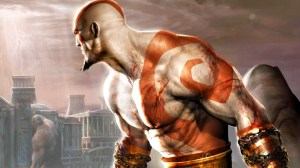
One of the main sources of frustration comes from the poor implementation of co-op in Sons of Sparta. This feature is advertised, but it is not made apparent that co-op is tied to a challenge mode after completing the game. Many players assumed the whole game would be co-op as the focus is on Kratos and Deimos, and as a result, felt that there was false advertising. What should have been a triumphant shadow drop was now a source of backlash.
This isn’t to say there aren’t other issues with God of War: Sons of Sparta. Pacing is uneven, mechanics like combat and movement feel less polished, and there is a staggering amount of bugs, even one that loses player progress. This all led to a feeling that the game was rushed and not given proper QA. Others have criticized the art, but this is a personal preference, and then there are those saying it is overpriced after comparing it to Hollow Knight: Silksong’s incredibly low $20 pricetag. Sons of Sparta found itself in a difficult position, as the game wasn’t just judged for what it was, but for what fans believe a God of War title should be.
God of War Expectations Hinder Experimentation

The reaction to God of War: Sons of Sparta revealed something deeper about the current state of the franchise. The community expects excellence, and anything that deviates from the established formula is met with skepticism. The shift from Greek to Norse mythology initially caused concern, but it succeeded because it still delivered an experience consistent with the series’ combat-focused identity while improving its emotional resonance. Sons of Sparta took a bold risk within the franchise and has been met with a mixed response.
This rigidity in fan expectations makes innovation difficult. If a smaller experimental game cannot launch without such scrutiny, what does that mean for bigger risks in the future? The response to Sons of Sparta suggests that the fan base may resist anything that steps too far from established formulas. And that’s a significant concern when imagining the series’ future, especially if new protagonists, new worlds are introduced, or even with Santa Monica Studio touching the original trilogy.
The strong backlash to God of War: Sons of Sparta may prevent the series from growing and evolving naturally. Both God of War and God of War: Ragnarok are so highly regarded that fans expect the same level, even from a smaller spin-off title. Part of the reason the Norse saga worked so well is that it wasn’t afraid to experiment and take the series in a new direction. It is okay to have expectations for the series, but fans have to realize that Santa Monica Studio needs the freedom to make creative decisions and that it cannot satisfy everyone.
God of War 6 May Need to Play It Safe

The backlash to God of War: Sons of Sparta has raised many questions about the direction of God of War 6. If the fan reaction to a smaller spin-off is this intense, how will players respond to a major shift, such as Atreus taking on a primary role? The series has hinted at this possibility, but even this tease has been met with divisive opinions. Some players welcome the idea of exploring Atreus’s future, while others insist the franchise should remain centered on Kratos. With reactions this strong to Sons of Sparta, it wouldn’t be surprising if Sony Santa Monica takes fewer risks in the next major installment.
That caution may mean returning to familiar ideas, gameplay loops, or narrative tones. The studio has always excelled at reinventing itself, but reinvention can rely on community trust and reception. Big swings can pay off in huge ways, like God of War’s reboot, or they can fail spectacularly. Shifting to Atreus can take the series in a new direction and showcase even deeper storytelling. But the fan base is so ingrained with Kratos’ journey that this change has to be handled extremely carefully, especially after Sons of Sparta’s reception.
Still, a safe approach may not be the right approach. The series evolved precisely because it embraced risk. The jump from Greek to Norse myth was bold, and it paid off enormously. Losing that willingness to explore new ideas could be just as damaging as alienating fans with change. The key question is whether the Sons of Sparta backlash will influence long-term creative decisions going forward. If fans continue to punish experimentation, the franchise may struggle to grow in meaningful ways like it did when Kratos traded his rage for fatherhood.
What do you think? Leave a comment below and join the conversation now in the ComicBook Forum!
Most Viewed
-
Image courtesy of Tor Books/Macmillan -
Image courtesy of Amazon MGM Studios