
Dungeons and Dragons have released their latest Unearthed Arcana playtesting, with a “Villain” theme giving players new opportunities to play devious characters in their next games. Built for the recently dubbed 5.5 Edition of the iconic TTRPG (formerly known as 2024 rules), this UA has multiple new archetypes, including routes to take on darker roles throughout an adventure. Instead of bringing back older subclasses or features, this playtesting is completely new, offering Villainous archetypes and Paths in never-before-seen character creation options.
Videos by ComicBook.com
Although not official, the UA for D&D released recently have been excellent expansions to the character creation tools seen in 5.5e content so far. Given how this new edition is essentially a reset of the TTRPG’s rules, having additional subclasses, feats, and other character systems gives players more tools for fleshing out their next hero within a campaign adopting newer mechanics. With the roadmap for 2026 creating a Season of Horror first, the “Villainous” aesthetic of this UA fits perfectly into what the game is trying to do soon.
D&D’s Newest Unearthed Arcana Introduces Four New Subclasses With A Villain Theme
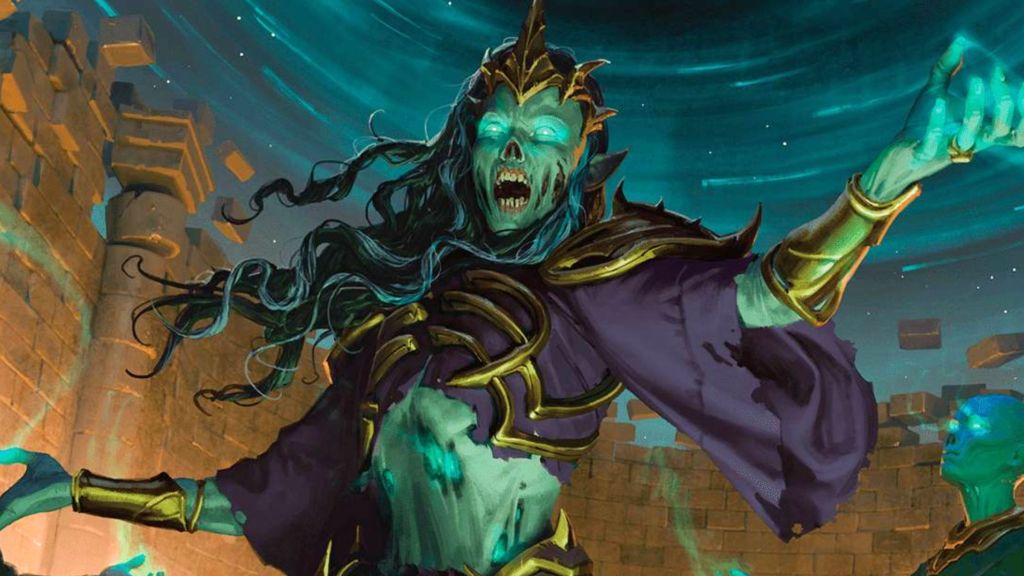
The Villainous UA introduces four new subclasses for players to try, including:
- Pestilence Domain Cleric
- Circle of the Titan Druid
- Hell Knight Fighter
- Demonic Sorcerer
The Pestilence Cleric can call upon great plagues from gods of disease, poison, famine, and rot, sapping the vitality of those who dare call themselves “enemy.” These Clerics gain resistance to Necrotic and Poison damages early on, with their spells of the same damage ignoring enemies who may resist. The spells of this Cleric subclass fit its theme well, with magic like Ray of Sickness, Stinking Cloud, Blight, and Contagion all granted at various levels. Unlike other archetypes, this Cleric can directly inflict levels of Exhaustion onto targets, giving it a rare condition characters can’t usually apply to their foes.
As the horrors in D&D grow with this Cleric, they can also cause deadly infections and turn into swarms of vermin to help spread their plague. Similarly, the Hell Knight Fighter is someone else who causes infection through festering wounds inflicted through the powers of the Nine Hells themselves. This Fighter is closely tied to fire damage and dark dealings, using a pact with some devil to empower their weapons and equipment. Explosions of flame eventually cause the Hell Knight Fighter to even send souls it slays to the Hells, ensuring their eternal torment.
On the other hand, the Circle of Titan Druid basically gains the ability to Wild Shape into a massive Kaiju, calling upon the forces of nature to rebalance the scales of spreading civilization through great destruction. Capable of transforming into a massive Behemoth, Leviathan, or Insectoid, these creatures only grow stronger as your character levels up, eventually growing into Gargantuan monstrosities that can swallow their enemies whole.
Sorcerers with the Demon ancestry draw their powers from the many layers of The Abyss itself, connecting to powerful creatures like the Demogorgon, Orcus, or Lolth. While gaining chaotic magic that reflects the chaotic evil of demons, these Sorcerers also can unleash random abyssal effects in an aura whenever they use Innate Sorcery. Characters that use this subclass can conjure sticky spider webs, hazardous ooze, enthralling spores, poisonous foliage, or even spectral bones that drain the life of those around them. As these abyssal powers grow, Demonic Sorcerers can even summon demons directly, spreading even more destructive chaos.
This UA Also Includes Two Paths Of Villainy With Multiple Feats To Become A Death Knight Or Lich
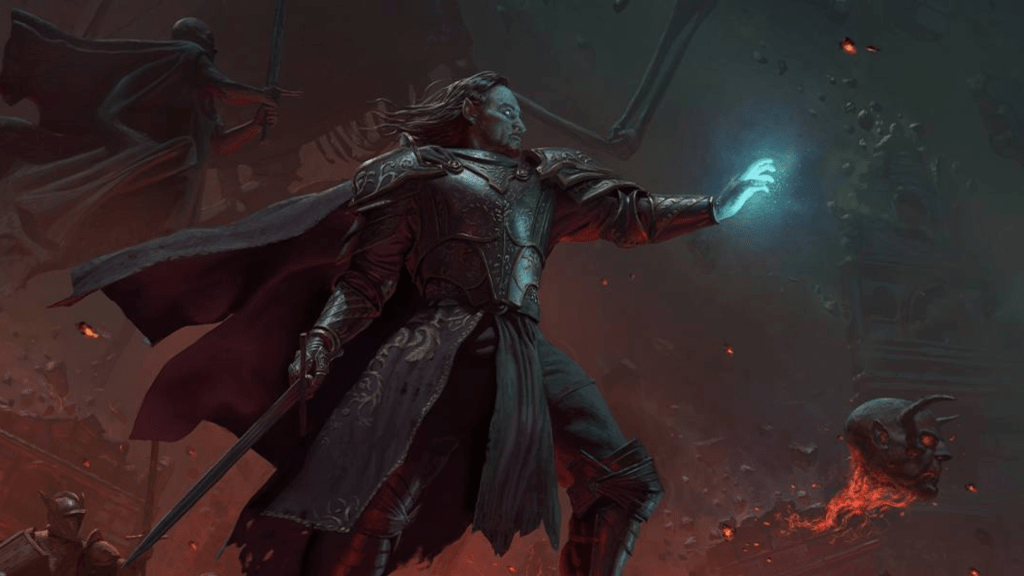
Each of the subclasses in this UA are fascinating, giving characters incredibly dark paths to follow compared to the “traditional” routes of the Sorcerer, Cleric, Druid, or Fighter. However, no Hexblade Warlock or Oathbreaker Paladin is as “evil” in its theme as the two Paths offered in this playtesting, which create ways for players to become an undead Lich or Death Knight. Presented in a series of Feats players can take as their character reaches certain levels, the Death Knight Path and Lich Path both adopt two of the most recognizable D&D villain archetypes in the game’s history.
The Path of the Death Knight starts with an Initiate Feat at Level 4, giving your character a Charisma or Strength bonus and a unique resource called Death Points. Players can spend Death Points to gain benefits from the Path’s other Feats, but you gain one called Death Strike right away. From here, as you level up, you can take other Death Knight features, from three different options that grant different abilities. After taking one more, you can ascend as a Death Knight at Level 12, becoming Undead and gaining other frightening skills.
The Path of the Lich works in the same way, with an Initiate Feat at Level 4 that boosts a character’s Intelligence, Wisdom, or Charisma. Instead of Death Points, you have a Spirit Jar tied to your vitality, which you have to protect and fill with enemy souls. To ascend as a Lich at Level 12, you can pick from other Lich Feats along the way for a customized version of the iconic villainous role. Becoming a Lich makes you almost incapable of dying, as an Undead who has conquered death itself.
Evil Options For Character Creation Has The Potential To Craft Fascinating Builds
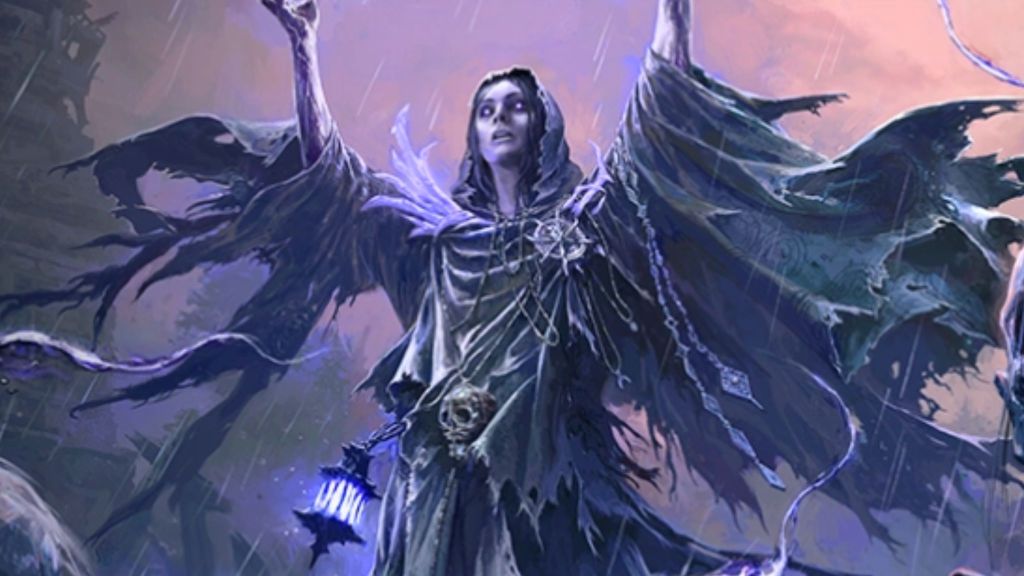
The Paths alone have so much variety to them, especially as a Lich or Death Knight character chooses between three different Feats beyond the Ascension or Initiate ones to solidify their route. For example, the Path of the Lich has a Feat called Transfer Life, available once you get the Initiate Feat first. By choosing this, not only do you get a bonus for your character’s Intelligence, Wisdom, or Charisma, but you obtain the Soul Transference ability. This skill gives your Soul Jar an additional trait, granting an ally Temporary Hit Points after you absorb a soul into the jar.
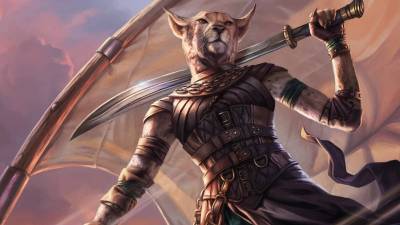
The subclasses in the Villainous UA are incredibly different from the other archetypes those paths usually offer, with either bombastic flair or sinister skills providing layers of flavor to any character that embody them. The Paths also are capable of fitting onto a variety of characters, from a Death Domain Cleric becoming a Lich to an Oathbreaker Paladin stepping into the Death Knight’s shoes. Both rich in roleplay and combat possibilities, the Paths and subclasses on display here might be the most interesting ones Wizards of the Coast have come up with so far.
Since these new character options are part of playtesting, they may change in the future if added to official expansions or source books. However, given the Season of Horror coming soon to the TTRPG, this Villainous UA for Dungeons and Dragons may be seen officially far faster than fans think.
What do you think of the Villainous UA for D&D? Leave a comment below or join the conversation in the ComicBook Forum!
