Horror is the theme behind Dungeons and Dragons‘ latest gameplay expansion book — Ravenloft: The Horrors Within. This tome takes players back to the familiar Domains of Dread, where dark powers surge and create terrifying environments perfect for a terrifying campaign of mist and shadow. Players also gain access to seven fresh subclasses for the iconic TTRPG’s new 5.5e rule system, even bringing back one beloved spellcasting option for players who really want to adopt the Ravenloft book’s themes.
Videos by ComicBook.com
There are two completely new subclasses in Ravenloft: The Horrors Within, giving the Ranger and Artificer classes routes they’ve never had in the past. The other five archetypes in the expansion are ones that have been a part of D&D‘s base 5th Edition, through supplemental or setting books sold since that rule set’s 2014 debut. With the 2024 changes that established the 5.5e rules, these subclasses have been reworked to better suit the new system that drives D&D forward now.
Ravenloft: The Horrors Within Adds The Terrifying Undead Patron For Warlock Characters
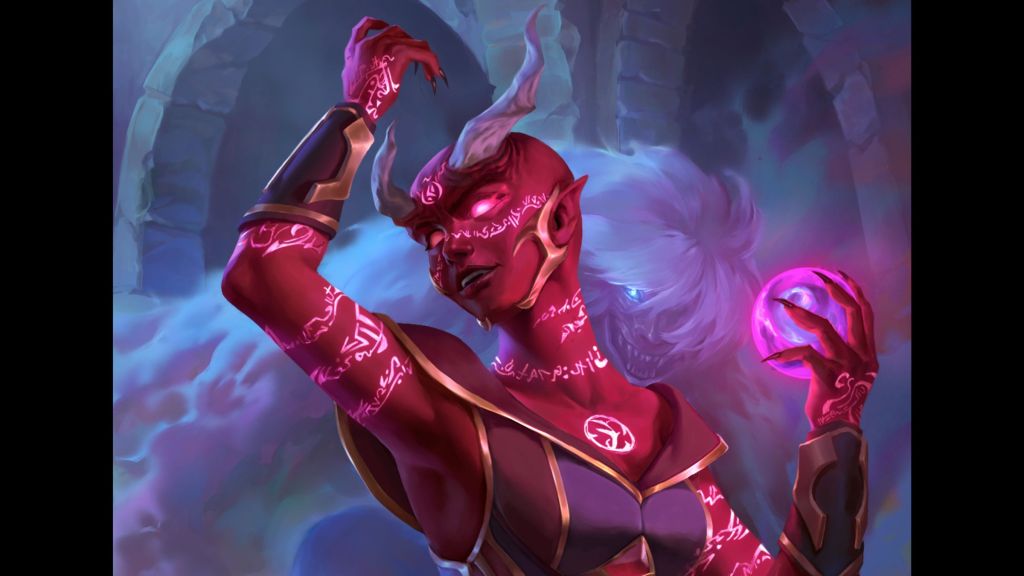
Carried over almost directly from the “Horror” themed Unearthed Arcana playtesting in 2025, the Undead Patron is a new subclass for D&D‘s Warlock class. Among all the Ravenloft: The Horrors Within archetypes, the Undead Warlock perhaps suits the themes of horror the best, granting magical powers to a character who makes a pact with a powerful Undead creature. For example, players could form an alliance with the infamous undead vampire lord Strahd von Zarovich, whose realm of Barovia is one of the many Domains of Dread featured in the Ravenloft book.
Undead Warlock Patrons can include any sort of creature who has defied death, such as a Lich, Vampire, or similar entity who has defied life’s natural cycle. Profane knowledge makes an Undead Warlock a creature of necromancy and fright, adopting forms meant to terrify opponents. This is reflected in the natural spells a Warlock learns when taking this subclass, such as Blindness/Deafness at Level 3, along with False Life, Phantasmal Force, and Ray of Sickness. Other magic like Vampiric Touch, Speak with Dead, Death Ward, Antilife Shell, and Cloudkill only accentuate this Warlock’s connection with unholy arcane secrets.
Similar to other spellcasting subclasses in the new book, the Undead Warlock is an update to the archetype of the same name introduced in Van Richten’s Guide to Ravenloft, the first 5e book to detail Domains of Dread outside Barovia. Almost acting as a prototype to Ravenloft: The Horrors Within, the Undead Warlock’s features from the past book have remained mostly the same, but with a couple of significant changes. Some abilities have new utility, allowing characters who follow an Undead Patron to become stronger than ever before.
Undead Warlock Features Return From Past Editions Of D&D With Even Greater Utility
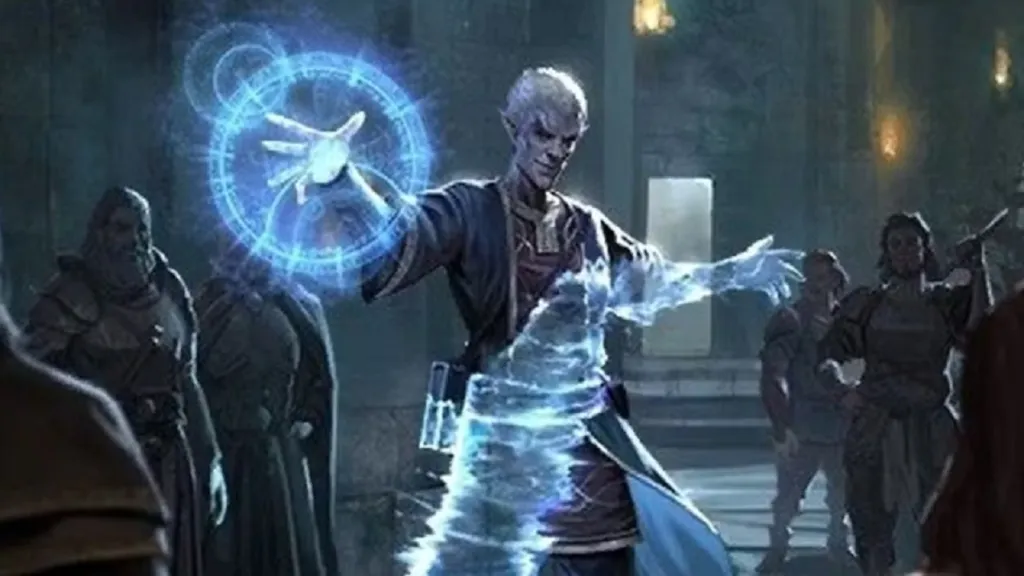
The biggest returning feature for the Undead Warlock is their Form a Dread, an ability that is now gained at Level 3 rather than Level 1 when the subclass is taken. As a Bonus Action, Undead Warlocks can adopt an avatar of their Patron’s power, becoming a horrifying visage of defied death. For one minute, players gain Temporary Hit Points and immunity to the Frightened condition, with the ability to apply Frightened to enemies they hit with attacks as well. This feature can be used multiple times before resting, giving players many opportunities to tap into their horrific appearance.
Naturally, Undead Warlocks have an affinity to necrotic damage types as well. At Level 6, the Undead Warlock gains Grave Touched, a feature that allows their attacks that deal necrotic damage to ignore resistance to that damage type. In addition, players don’t gain levels of Exhaustion from malnutrition, dehydration, or suffocation, avoiding the condition from not sleeping too. These unique methods of survival are similar to the original Undead Warlock, but with the added benefit of being able to change any damage spell they cast into dealing necrotic damage, as long as they are in their Form of Dread.
Level 10 sees the Undead Warlock become a Necrotic Husk, gaining resistance to any necrotic damage themselves. When in Form of Dread, this resistance becomes complete immunity, making Undead Warlocks perfect in battles against opponents with similar powers. That being said, this Level also gives the Undead Warlock their greatest strength — the skill to avoid death once before a Short or Long Rest. When a Level 10 Undead Warlock is reduced to 0 Hit Points, they can choose to regain health and cause an explosion of necrotic energy, damaging everyone in a 30ft radius.
Reworked Abilities At Later Levels Give The Undead Warlock More Tools Than Ever Before
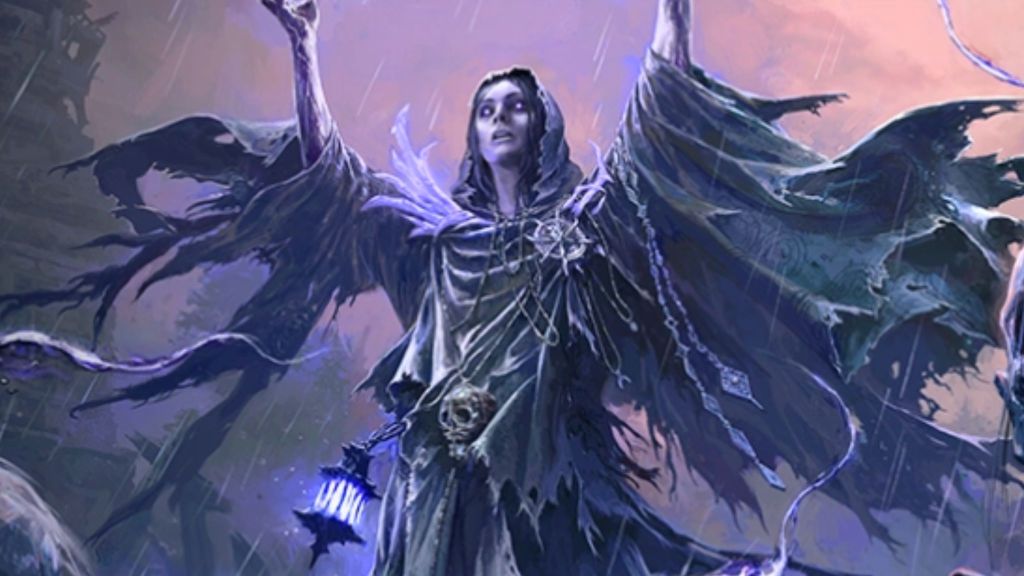
In its base 5e version, the Undead Warlock suffered from not being able to use its strong features often, especially Necrotic Husk. Although the 5.5e update to the subclass still gives a character a level of Exhaustion for using its death explosion feature, it allows players to use the ability again after any sort of rest. The first Undead Warlock could only do that again after they finished a 1d4 amount of Long Rests, making the ability something you only ever saw rarely.
The health bonus is much greater too, restoring 10x your Charisma modifier of HP instead of simply putting you at a single Hit Point. Other features for the Undead Warlock’s later Levels have seen changes too, mainly the “Spirit Projection” Level 14 ability, now called Superior Dread. Superior Dread provides a number of passive benefits, including:
- Flight – You have a Flying Speed equal to your Speed, and can hover while flying.
- Profane Casting – Whenever you cast a Conjuration or Necromancy spell, you cast it without Verbal, Somatic, or Material components, except Material components that are consumed by the spell or that have a cost specified by the spell.
- Vitality Siphon – Once per turn when you deal necrotic damage to a creature, you regain Hit Points equal to your Charisma modifier.
These features are far more flexible than the original version, which limited Hit Point regeneration significantly. Unlike most Warlocks, this subclass specializes in vitality, making it a far harder spellcaster to kill than others who follow another type of Patron. When combined with the Feats or abilities of other villainous options in D&D, the Undead Warlock can be an unstoppable option for players who truly wish to enjoy a darker character build in their next adventure.
What are your thoughts on the reworked Undead Warlock subclass? Leave a comment below or join the conversation in the ComicBook Forum!