Ravenloft: The Horrors Within is the latest gameplay expansion book for Dungeons & Dragons, providing players with new character build options under revised 5.5e rules. This includes seven new subclasses for players to try, having been revised from prior “Horror” themed Unearthed Arcana playtesting. While two of these archetypes are brand-new to the iconic TTRPG, some are returning from older versions of 5th Edition, including one that is quite underrated for a fan-favorite martial class.
Videos by ComicBook.com
“Martial” classes are character archetypes that tend to avoid magic or spell-casting of any kind, using weapons or tactics over various arcane tools. Among all the martial builds in D&D, the Rogue is arguably the strongest, dealing extremely high damage and possessing tons of utility through a broader range of skills than other classes. There are many subclasses the Rogue can take, but the latest one in Ravenloft: The Horrors Within adopts a newer idea from a recent supplemental book with new twists for players.
Ravenloft: The Horrors Within Updates & Revives The Phantom Rogue Subclass For Players To Try
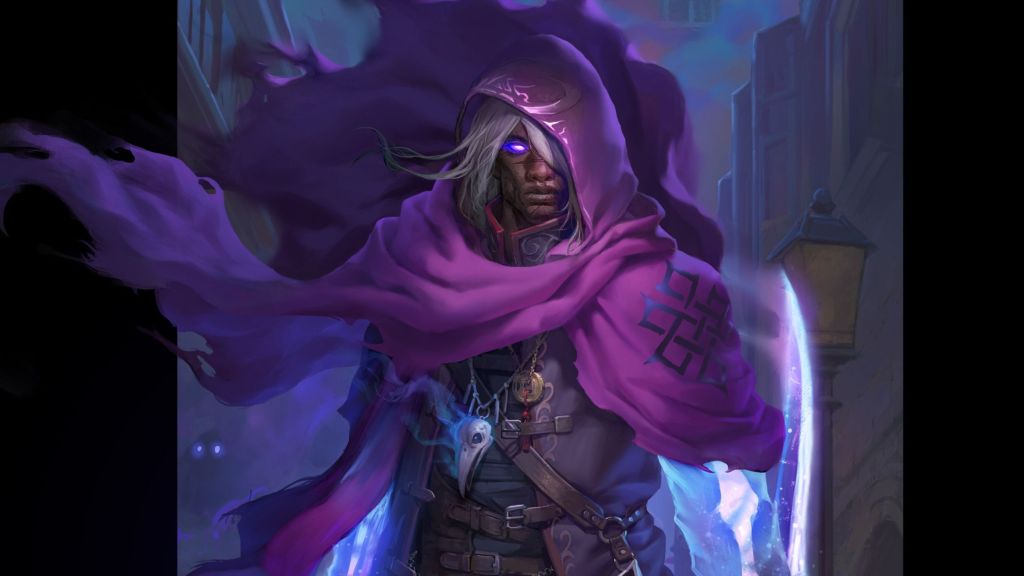
First introduced in base 5th Edition through Tasha’s Cauldron of Everything, the Phantom subclass for the Rogue returns in 2026’s Ravenloft: The Horrors Within. This subclass was seen in the Horror UA in 2025, and surprisingly received zero changes being translated into the Ravenloft book this summer. This means that the team behind the Phantom’s design were confident in its execution, despite some fans claiming that it is slightly lackluster compared to the original version. However, others are calling the Phantom an underrated pick for the Rogue, with strong flavor and unique abilities.
The Phantom Rogue is a character whose cunning and stealth come from a connection between the veil of life and death, existing somewhere in between. Although not fully undead, the deathly energy the Phantom can wield comes from a special connection with the forces beyond the grave. This subclass went through a variety of alterations between its 5e and 5.5e versions, increasing the potency of some features for players to use more often. As far as a central theme, the Phantom remains one of the strongest in its core idea, perhaps more so than the revised Assassin or Thief.
Next to the other subclasses in the new book, the Phantom also gets started at Level 3 when you take Whispers of the Dead. The former feature allows you to gain knowledge from various spirits, gaining a new skill or tool proficiency whenever you finish a Short or Long Rest. When you rest again, you can switch this proficiency with something else, giving you a chance to adapt to new situations. The Rogue is already called a “jack of all trades” through their Expertise skill investments, so this ability meshes incredibly well with what the class already offers.
Phantom Rogue Changes Have Kept The Core Features Of The Archetype Intact
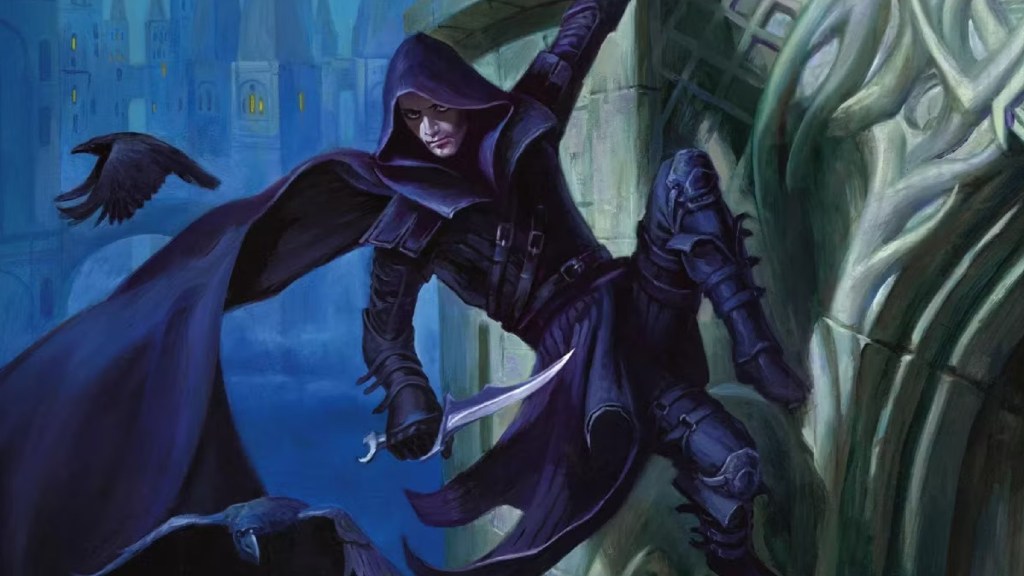
Most of the Phantom Rogue’s abilities from 5e are the same as they were before, including the Level 3 feature Wails from the Grave. This ability activates whenever you deal Sneak Attack damage, allowing you to choose a second target within 30ft of the creature you just attacked. You roll half the damage of your Sneak Attack and deal Necrotic damage to that target, giving the Phantom Rogue a way to impact multiple targets during their turn.
Unlike the prior version of the subclass, this ability is tied to a number of uses equal to your Dexterity modifier rather than your proficiency bonus, adding a new limit to a strong skill. At the same time, the Level 9 Tokens of the Departed ability comes back too, providing your character with special items called Soul Trinkets whenever you finish a Long Rest. These Trinkets can be spent before another Long Rest takes place, and you get more as you level up. Phantom Rogue characters can spend their Soul Trinkets on the following abilities:
- Death’s Knell – When you deal Sneak Attack damage, you can use Wails of the Grave without expending a use of that skill.
- Life Essence – As long as you have at least one Soul Trinket, you have advantage on Death Saving throws and Constitution saving throws.
- Spirit Query – Expend a Trinket and take a Magic action to cast the Augury spell, requiring no components and using your Dexterity as the spellcasting modifier.
Level 9 also sees the return of Voice of Death, which now lets players cast the Speak with Dead spell with no components and using their Dex mod. This skill is regained on a Short or Long Rest, giving players more ways to interact with the world along with Spirit Query’s Augury spell. The final two features, Ghost Walk and Death’s Friend, remain largely unchanged from the 5e version of the subclass too, giving players ghost-like abilities on top of their other spectral skills.
Strong Horror Flavor On Specific Abilities Makes Up For Lackluster Strength Compared To Other Subclasses

Many players have called out the Phantom Rogue for being a disappointing subclass in the latest book, for how the archetype is highly situational compared to others. Admittedly, the Phantom Rogue struggles against creatures who resist Necrotic damage, which players might see often in the adventures that take place in the Domains of Dread from the Ravenloft: The Horrors Within book. That being said, the removal of certain limits on the 5.5e version of this subclass allow it to shine far more than ever before, especially when put adjacent to other Rogue archetypes in official content.
The rotating skill and tool proficiency in the Phantom Rogue’s arsenal make the class almost like a mini-Artificer, crafting potions, spell scrolls, or more for constant flexibility. Even if your game isn’t reliant of crafting, the Phantom’s upper hand on Death Saving Throws makes them particularly resilient, with Constitution saving throw advantage also granting Rogues a unlikely strength in a category they tend to struggle in. For a class that is mostly known for single-target damage too, Wails from the Grave is a great way to make battles against multiple enemies easier, taking pressure off the rest of your party.
Although there may not be as much variety in this subclass’ skills that the archetype is usually blessed with, it remains reliable like any Rogue can be. For players looking for a darker take on the stealthy class, the additional ways to communicate with the dead can provide excellent roleplaying opportunities between a player and DM too. For all its faults, the Phantom Rogue is one of the more impressive subclasses in Ravenloft: The Horrors Within for D&D, refining itself to live up to its full potential.
What do you think of the Phantom Rogue in Ravenloft: The Horrors Within? Leave a comment below or join the conversation in the ComicBook Forum!
More Gaming
-

Image Courtesy of Fast Travel Games/Bethesda Softworks/Capcom