Ravenloft: The Horrors Within is the latest official sourcebook for Dungeons & Dragons fans to devour. And believe it or not, it’s the first new addition to the lineup for 2026. This new sourcebook is a comprehensive deep dive into the world of Ravenloft, and it also happens to be a visually stunning masterpiece. There’s plenty to dig into with this book when it releases on June 16th. But for many players, it’s all about the brand-new horror subclasses, which are a highly anticipated addition to the game.
Videos by ComicBook.com
The Horrors Within features a total of 7 new subclasses for the D&D 5e. A few are revised, returning classes from prior D&D editions, but there are a handful of brand-new options, as well. Each comes with a unique horror spin on the iconic base classes, but you don’t have to be playing a horror campaign to use these new character options. If you’re eager to see what’s new in the world of D&D subclasses, here are all 7 of the new additions, ranked from least to most exciting. For the rankings, I’ve taken into account overall playability and adjustments from previous versions of the subclass, as applicable. And of course, cool factor plays a role, as well.
7) Shadow Sorcery (Sorcerer)

This is a 2024 rules update on the Shadow Magic Sorcerer first introduced to 5e in Xanathar’s Guide to Everything. It honestly remains fairly unchanged, with a few minor adjustments. Most notably, you have access to a specific list of Shadow Spells, some of which are quite useful, like the AoE Hunger of Hadar and damage-avoiding spells like Pass Without Trace or Greater Invisibility. In all, though, this subclass remains a bit underwhelming compared to some of the other options.
Gaining Darkvision at Level 3 isn’t likely to be helpful except in quite specific situations, though Blindsight is a touch more useful. Strength of the Grave remains helpful for a squishy caster to avoid death, and it’s nice that you can choose your Beast of Ill Omen rather than defaulting to a Hound. However, this subclass largely relies on darkness to be effective even at higher levels, making it a tricky one to play unless you’re in the right adventure situation. Its affinity for Shadow is certainly fun flavor, but even Level 14 feats like Shadow Walk are less exciting than you might hope.
6) Phantom (Rogue)
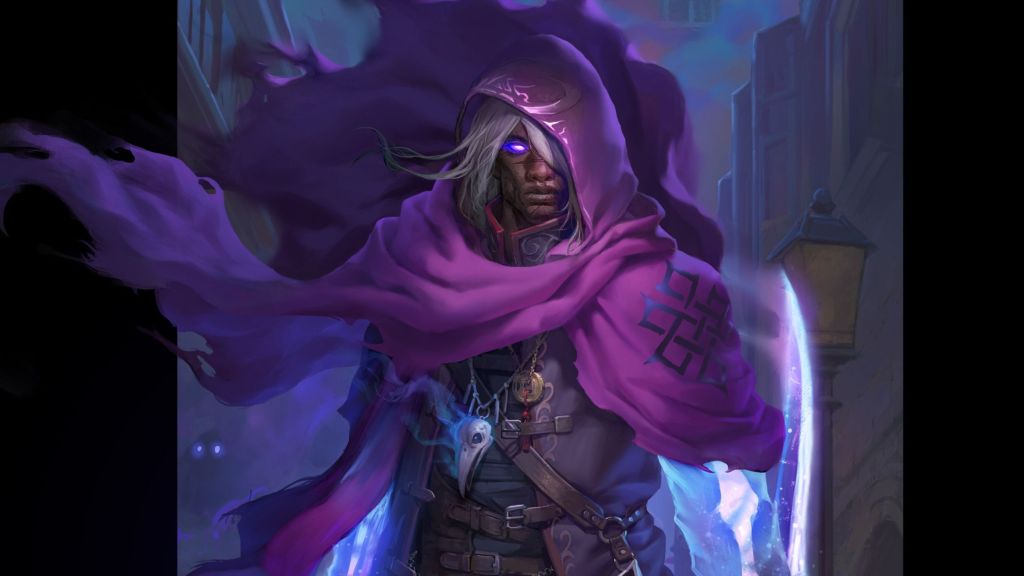
Phantom is a returning, revised subclass previously available in the 2014 5e ruleset. I love the flavor of this class, but it does take a while to really grow into its power. That has always been the case, and it doesn’t feel like the 2024 revision does enough to address this issue. That said, it does overall feel like a slight improvement on the Rogue subclass, one that could be a lot of fun for the right player and campaign.
Wails from the Grave is much the same at 3rd level as it was in the 2014 rules, allowing you to deal Sneak Attack damage to a second creature. Whispers of the Dead is a new addition, letting you gain proficiency in a skill or tool thanks to the knowledge of a ghostly presence. That’s a lot of fun, but will likely be useful only in pretty specific situations. Voice of Death is another nice improvement, giving you access to a free casting of Speak with Dead, a spell that comes in handy in most campaigns at least once. In all, this is a fun Rogue subclass, but one that may still be tricky to play well, given the time it takes to really unlock its most powerful feats.
5) Undead Patron (Warlock)
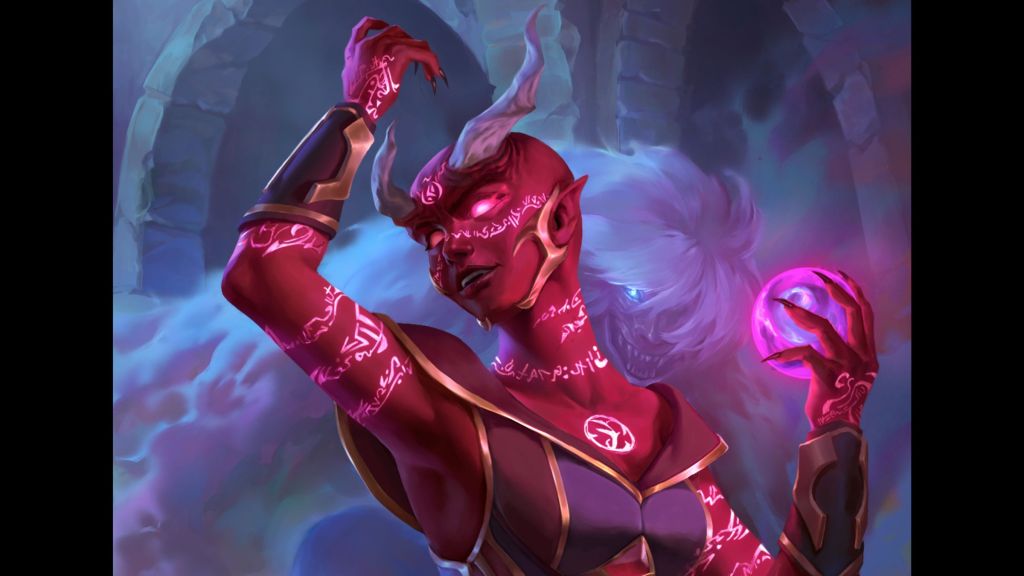
Up until higher levels, the Undead Patron Warlock remains largely unchanged in this revised form. Like most subclasses, the benefits are not unlocked until Level 3, but the Form of Dread you gain is otherwise much the same. That said, it’s still a pretty fun feat, giving you much-needed temporary Hit Points for a caster, plus the ability to Frighten your foes. The Undead Spell list isn’t half bad, either, with the added ability to Summon Undead at Level 5. Indeed, this Warlock subclass can deal quite a bit of damage, especially once you gain Dreaded Necrosos at Level 6 and Unholy Resuscitation at Level 10.
The real difference for the 2024 version of this subclass, however, won’t kick in until Level 14. Superior Dread really beefs up your Resistance while in the Form of Dread and lets you fly around and even move through creatures. This replaces the Spirit Projection ability, but arguably weakens the class as you no longer have the ability to regain hit points from dealing damage. As such, this rebalanced class isn’t quite as impressive as some of the other options in Ravenloft: The Horrors Within. However, it is still a fun way to lean into Undead horrors while playing a Warlock.
4) College of Spirits (Bard)


I’ll be the first to admit I love a new spin on the Bard class. As one of D&D‘s most maligned classes, I enjoy trying to play interesting Bard subclasses. And the College of Spirits Bard as it appears in Ravenloft: The Horrors Within is certainly interesting. Fittingly, the class first made its 5e appearance in Van Richten’s Guide to Ravenloft. It returns to D&D with a few key changes, which I personally think improve upon the Subclass quite a bit.
The tales from beyond are now the Spirits themselves, and the table you roll upon to determine your channeled effect has gotten a full rework as a result. This does still rely a lot on chance, but you get the ability to spend Bardic inspiration to control the result much earlier on (Level 3). As such, the College of Spirits bard is much more workable early on, and its Level 6 Empowered Channeling is similarly streamlined. Casting Spirit Guardians without using a spell slot isn’t half bad, and boosting your damage or healing is a good perk, as well. In all, this looks to be a big glow-up for this Bard subclass, and turns it into a pretty solid balance between buffs for your team and damage potential.
3) Grave Domain (Cleric)

This is a returning subclass, reimagined for D&D‘s new 2024 revised rules. It hasn’t changed too terribly much, but has been rebalanced to suit the updated rules. Spare the Dying can now be cast as a Bonus Action, but you also don’t unlock it until Level 3. Otherwise, the spell list is pretty similar, and the subclass functions much as it did in the 2014 ruleset. Overall, it feels like a pretty balanced update that doesn’t make the subclass significantly better or worse.
The Grave Domain Cleric remains a solid caster class with a mix of healing and damage potential. However, it is pretty situation-specific, and this subclass does best when faced with already damaged enemies or foes. This makes it solidly among the middle for the new and revised subclasses on offer for Ravenloft: The Horrors Within.
2) Reanimator (Artificer)
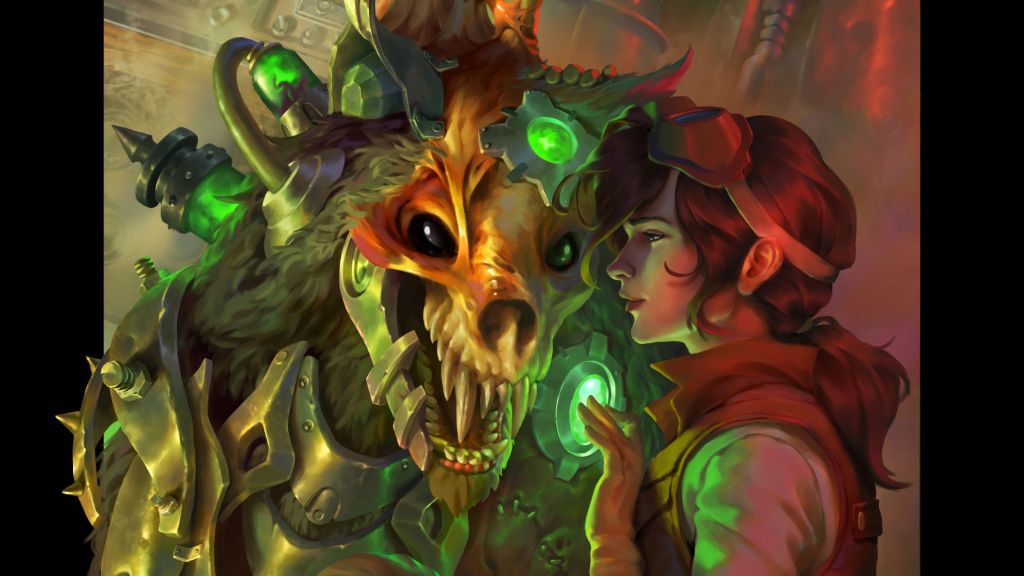
The Artificier is a beloved D&D class to many, and one that only recently got its 2024 revised version with last year’s Eberron: Forge of the Artificer. Now, it’s got a brand-new subclass in The Horrors Within, as well. The Reanimator leans into necromancy, while also offering some useful healing spells to fend off death for your allies. You can Spare the Dying as normal, or use it to actually heal a target and deal oE damage while doing so.
Reanimators also get a new type of companion, an Undead ally with its own stat block. This Reanimated Companion gets stronger as you level up, another example of solid scaling in these new subclasses. At Level 5, you can add modificactions, adding the ability cast spells from your companion’s location, potentially expanding the reach of your Artficer magics considerably. Or you can instead opt to have the companion deal more damage with its own melee attacks. More modifications become available at Level 9, and at Level 15, you can Raise Dead to create a verifitable Undead army. This is certainly an interesting new subclass, one that many players will no doubt be eager to try out.
1) Hollow Warden (Ranger)
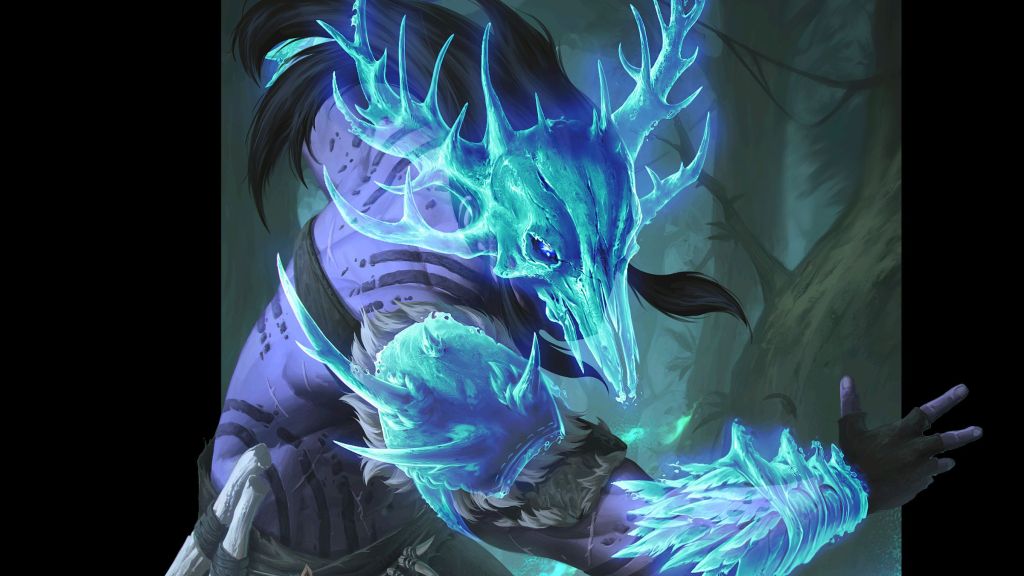
The Hollow Warden is the other brand-new subclass introduced in Ravenloft: The Horrors Within. Since it debuted in a prior Unearthed Arcana, this subclass has been a topic of much debate. It has been rebalanced for the official sourcebook, and the changes look to be largely for the good. The Unnerving Aura that can frighten your opponents, for instance, now triggers within a 10-foot radius of your choosing. Indeed, the Wrath of the Wild transformation is a fun new twist on the Ranger, offering an AC buff for you, an Opportunity Attack when allies take damage, and the chance to Frigthen your foes.
Overall, the Hollow Warden is one of the more interesting new subclasses in the lineup. Those Level 3 perks start out strong, and the Wrath of the Wild builds strength as you progress through character levels. At Level 7, you regain hit points while Bloodied, and at Level 11, you get new perks for your Aura and attacks. I’m pretty curious to see this one in action, as it seems well designed to scale nicely as you level up without becoming too overpowered. It just might become the new go-to Ranger subclass.
Which subclass are you most excited to try out when Ravenloft: The Horrors Within releases on June 16th? Leave a comment below and join the conversation now in the ComicBook Forum!
More Gaming
-

Courtesy of Bandai Namco -

Image Courtesy of Rockstar Games -
Image Courtesy of Electronic Arts -

Courtesy of 343 Industries -

Image Courtesy of Sony Interactive Entertainment -

Courtesy of Embark Studios