The world of mass entertainment is typically defined by certain major moneymakers. The franchises that make the most money tend to become monoliths in culture, especially in modern day. While there can occasionally be a fresh spark that stands out from the rest of the pack, the typical expectation in pop culture is that the established name will always beat out the fresh face.
Videos by ComicBook.com
However, across the board, new titles and fresh creative teams were on a roll in 2025. This extends to the world of gaming, where some of the biggest titles of the year were entirely divorced from previous best sellers or franchise brands. In fact, analysis of the past year suggests a promising trend has developed in gamers, one that can hopefully keep propelling player interests and encouraging invention in the industry.
New Games Had A Great 2025
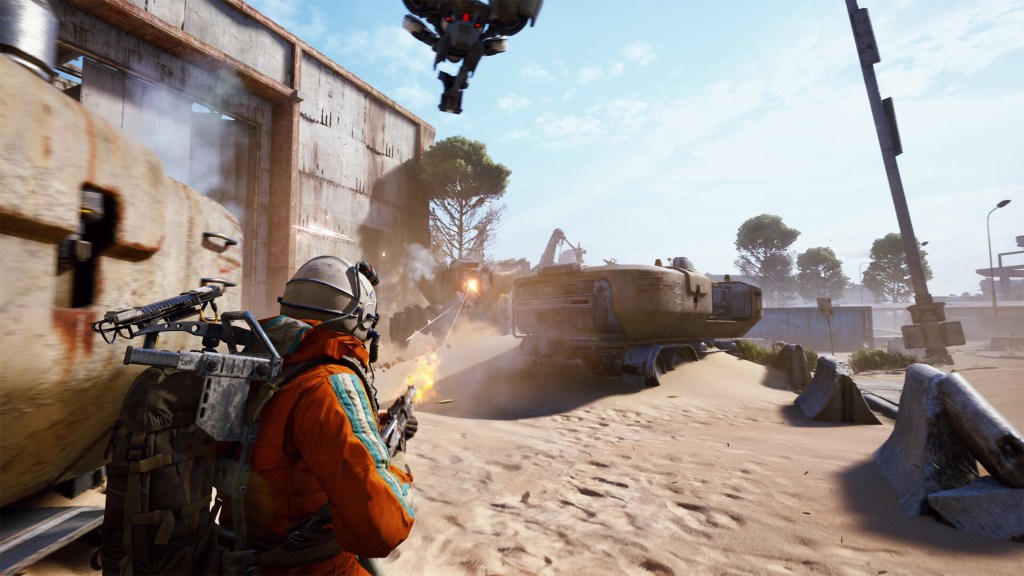
One of the most promising news stories from the end of 2025 in the world of gaming suggests that players are increasingly embracing new titles instead of just sticking with established franchises. According to data analysis by GamesDiscoverCo, there were more new games in Steam’s top-grossing titles of the year than in previous years. Games released in 2025 made more than titles that been released previously, and the number of new games in the top-grossing games on Steam jumped from 2024’s 24 to 31 in 2025. Meanwhile, only four of the twelve “Platinum” tier games on Steam were over a year old — DOTA 2, Counter-Strike 2, PUBG, and Apex Legends.
The other games to reach that threshold that were only a year old at most were Monster Hunter Wilds, Kingdom Come Deliverance 2, Arc Raiders, Marvel Rivals, Battlefield 6, Schedule 1, and REPO. Call of Duty is an interesting final entry in that grouping, as it includes games like 2025’s Black Ops 7 as well as previous entries in the series. The number of new games in the “Gold” and “Silver” tiers also leans towards new titles, with established franchises like Borderlands and Assassin’s Creed sharing the rankings with fresh IP like Clair Obscur: Expedition 33, Split Fiction, and Dispatch.
It’s a refreshing contrast to the recent analysis of PlayStation player data, which suggested that entrenched hits like Fortnite, Grand Theft Auto 5, and Minecraft remained the most played titles on the console. Analysts argue that this burst of successful new games could be benefiting from several factors, ranging from an abnormally strong release schedule for the year to the naturally different grosses of full-price games versus free-to-play titles or older games going on sale. However, one of the clear takeaways from this is that players don’t necessarily need a recognizable brand to get behind a game, and that good word-of-mouth and natural excitement in the playerbase can turn new titles into big successes.
Why Gamers Should Be Excited To See Fresh Titles In The Industry
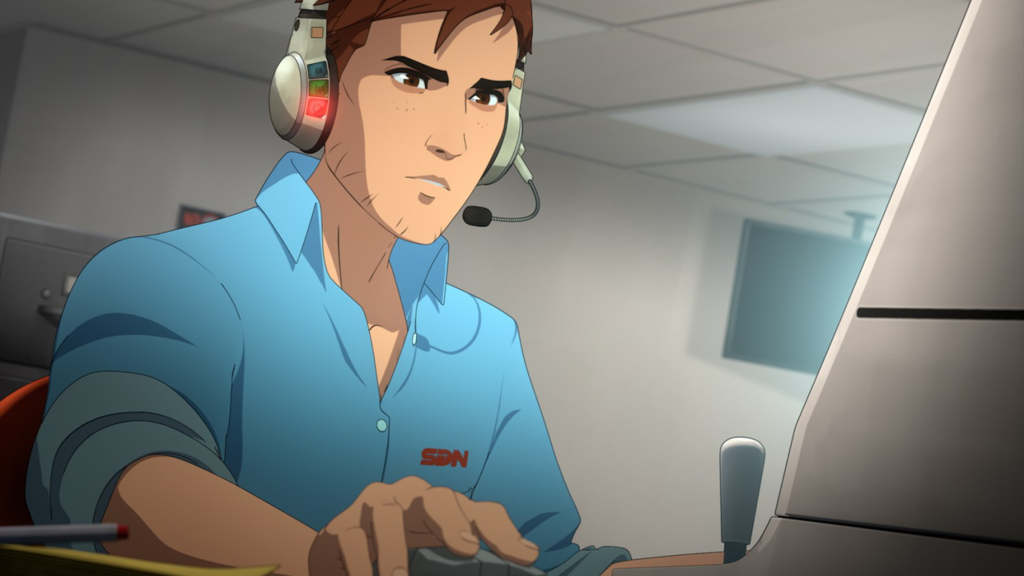
As with most forms of mass media, companies are always going to seek to replicate success. If a game is a hit, it won’t be long before developers are attempting to strike gold twice with the same IP. That’s one of the reasons the gaming space is typically dominated by the same handful of franchises that may experiment with the formula (as Nintendo games often do), but are primarily driven by the same core gameplay engine and storytelling focus. When there are lots of games to play, but you recognize some of the brand names, it’s easy to simply revisit what you’re familiar with and hope for a somewhat new experience.
That kind of thinking has led to a sterotypes in the gaming industry that only established franchises draw in the big money, and that new games are a risk for developers and players alike. 2025 upended that expectation tremendously, with plenty of terrific new games thrilling players across genres. Another factor to keep in mind is that many of the new games that debuted this year were somewhat self-contained, with games like Dispatch, Split Fiction, and Schedule 1 largely working as single adventures that could be continued — but could also easily be one-and-done experiences before their developers move on to different projects.
Gamers being willing to jump into new titles is an exciting development for an industry that can sometimes feel like it is stagnating. The success of new IP will hopefully encourage developers to take swings on new titles and be less afraid of pushing the boundaries of what their established moneymakers can be. The success of indie titles and the expansion of platforms like Steam are a natural way for that growth to continue. While 2026 will undoubtedly be defined by established franchises thanks to the long-awaited arrival of games like GTA 6, even that speaks to players’ willingness to test new horizons rather than just revisit familiar haunts. Hopefully, 2026 continues the trend set by 2025 and sees players more willing than ever to try new games and find new favorites.
Most Viewed
-
Image Courtesy of Marvel Comics -

Sony Pictures -

Image Courtesy of HIDIVE -
Image courtesy of Bandai Namco -

Image Courtesy of Netflix -

Image courtesy of The Pokemon Company