Square Enix is best known for its beloved RPG series like Final Fantasy and Dragon Quest, but it has numerous other games and series in other genres. These range, but one of its most notable entries is Final Fantasy Tactics, which recently received a remaster that proved to be a huge success. However, Square Enix branched in the strategy genre in the past five years, and it proved to be one of my favorite games of the year. Its overall reception was mixed, but the mistakes it made could easily have been fixed in the sequel that never came.
Videos by ComicBook.com
Square Enix returned to the formula established by Final Fantasy Tactics and Ogre Tactics in 2022 with Triangle Strategy. Square Enix entrusted this formula to developer Artdink, and the studio leaned into the HD-2D style that fans loved in Octopath Traveler. But rather than being a turn-based RPG, it was a strategy game featuring grid-based combat, political intrigue, and difficult decisions that shape the campaign. Yet its slow opening and uneven storytelling kept it from reaching the same heights of Final Fantasy Tactics. Square Enix has since returned to its classic tactical RPG catalog with sequels and remakes, but a sequel to Triangle Strategy remains absent, which is a missed opportunity.
Triangle Strategy Deserves Another Chance
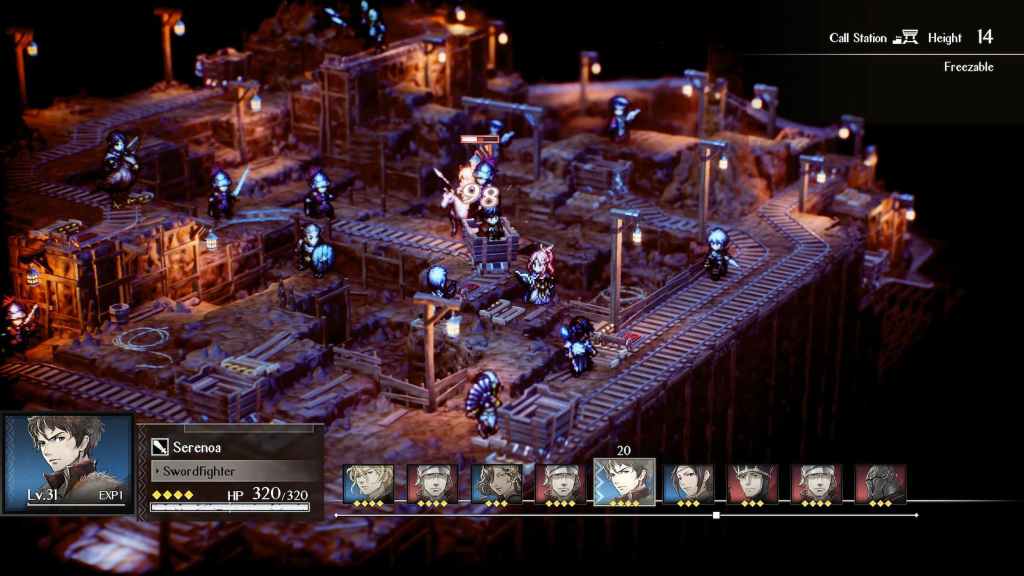
The appeal of Triangle Strategy becomes clear once its battles take center stage. It feels a lot like Final Fantasy Tactics, with its unit positions, terrain influence, and varied abilities. The game rewards strategy and tactical decision-making rather than who can simply attack the closest enemy. Elevation, flanking, and coordinated attacks can determine whether an encounter becomes manageable or disastrous. The combat encourages experimentation, varying builds, and careful planning, giving each encounter a unique challenge.
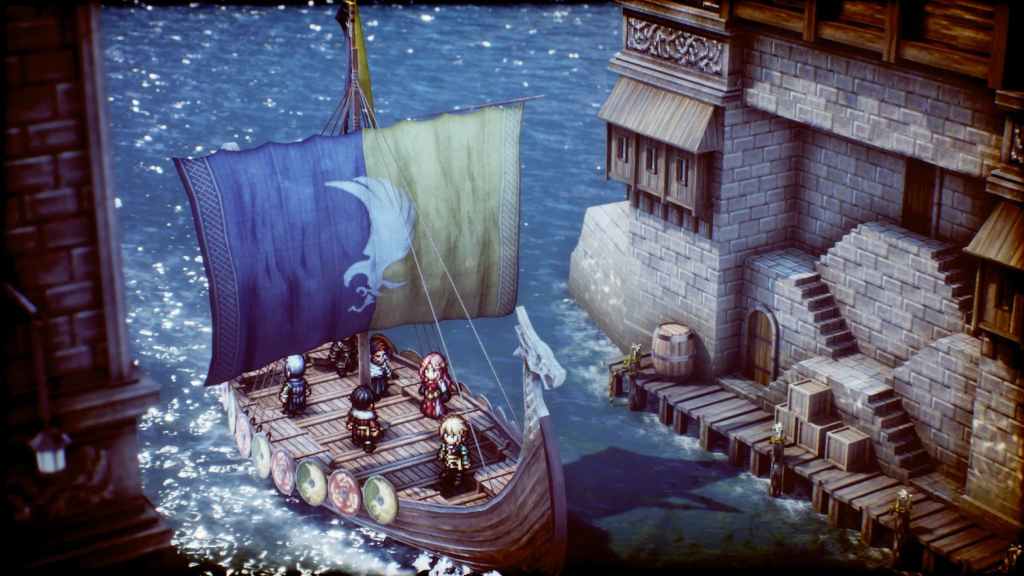
The HD-2D art style is one of the major highlights. It combines detailed pixel-art characters, three-dimensional environments, atmospheric lighting, and cinematic camera work, giving Norzelia the appearance of a beautiful diorama. Not only that, but it felt like a modern interpretation of a classic strategy RPG rather than simply trying to recreate them with a coat of paint. These helped bring the world and its characters to life. A sequel could absolutely build on its foundation and further use the military conflicts and political divisions that fans loved from the original.
Triangle Strategy proved to be successful, with Square Enix reporting that it had sold a million copies by December 2022. The appeal of a classic SRPG with modern visuals, streamlined systems, and quality-of-life features was the right move, capitalizing on the fame of Final Fantasy Tactics and other games in the genre. What makes its success all the more impressive is that it had a limited launch initially on the Nintendo Switch and PC before coming to other platforms in the following years.
A Sequel Could Fix Its Mistakes
One of the biggest criticisms of Triangle Strategy is its opening. It spends a considerable amount of time establishing its political factions, introducing characters, and delving into the rich history of Norzelia’s conflicts. This was necessary information for the game, but the lengthy stretches of dialogue make the experience feel slow before players get into actual tactical battles. Fans of the genre have come to expect this, but newcomers may be turned off by this decision. Square Enix could easily go about this in a different way in a sequel, perhaps introducing character and plot points through battle rather than dialogue.
Another point of contention is its story. The writing and narrative do not always match the complexity of its political and military conflicts, nor does it always support the hard decisions players are forced to make as its cast. Triangle Strategy introduces a fair number of important figures, but doesn’t always dive deep enough into their character. Despite this, the central premise has considerable potential, and the setting could support better storytelling. Still, the choices are frequently difficult because they force players to weigh conflicting priorities rather than simply choosing an obvious heroic answer.
With a sequel, Square Enix has an opportunity to address these shortcomings rather than simply changing the foundation and strongest features. A more immediate introduction could establish the stakes through an early tactical encounter, giving political exposition naturally as the player progresses. More developed companions, stronger character arcs, and consequences that remain visible throughout the campaign would give the narrative additional weight and emotion. The decision system could also explore conflicts where every available outcome carries a genuine cost.
Final Fantasy Tactics: The Ivalice Chronicles Could Help Make It Happen
Three years after Triangle Strategy, Square Enix returned to the SRPG genre with Final Fantasy Tactics: The Ivalice Chronicles, a remaster of the beloved original. It brought the classic strategy game to modern consoles with an enhanced presentation, fully voiced dialogue, and gameplay improvements. After its success, the producer, Kazutoyo Maehiro, suggested the game’s performance could help open the door to additional projects in the tactical RPG genre. My immediate thought was a sequel to Triangle Strategy.
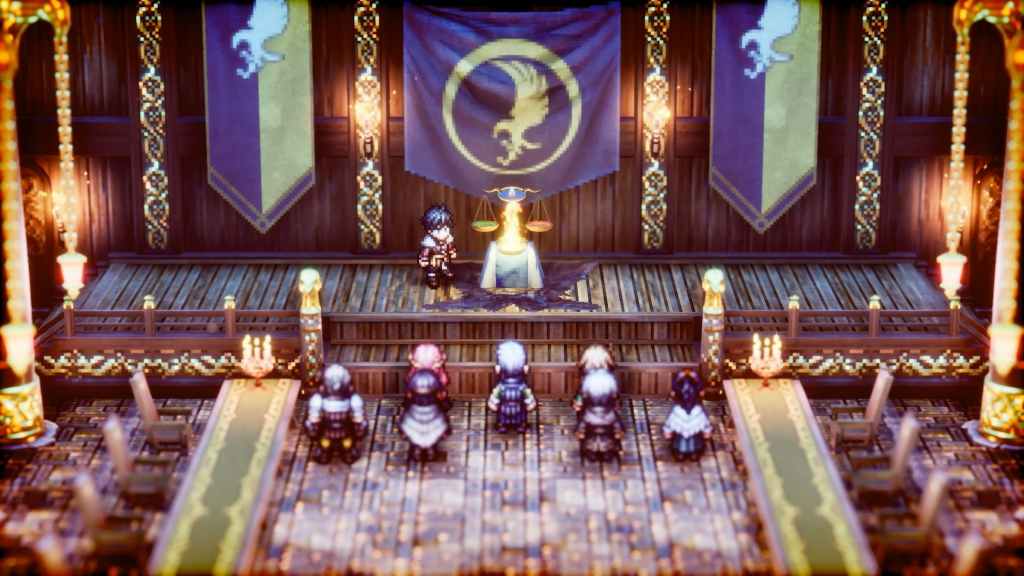
The success of Final Fantasy Tactics: The Ivalice Chronicles does not guarantee another Triangle Strategy, and we have yet to see Square Enix follow it up with another SRPG. But it does show that the genre still has its appeal and its fans. Even beyond this, Triangle Strategy established its own identity even among giants of the genre, proving how underrated it is. A sequel could borrow from other SRPGs and build on top of the already strong political choices, conviction system, and HD-2D presentation. Triangle Strategy has the same potential to develop into a series just as Octopath Traveler has.
There were reports of a sequel being in the works, but Square Enix never announced it, and rumors suggest this project has been canceled altogether. It remains to be seen how true this is, and I hope that it proves to be false because I would love to see Triangle Strategy get another chance. The original has flaws, but its excellent tactical combat, distinctive presentation, and difficult choices offer enough potential to support a sequel. With renewed attention on Final Fantasy Tactics, this would be the best time for Square Enix to consider bringing the series back.
What are your thoughts on Triangle Strategy and whether it deserves a sequel? Drop in and chat with us on the ComicBook.com forum!
More Gaming
-

Image Courtesy of Electronic Arts/Bethesda Softworks/Double Fine