The Legend of Zelda series has gone through plenty of experiments and reinventions over the years, benefiting its lengthy tenure as one of Nintendo’s biggest franchises. While some of those pushes have run into stumbles, the highlights of the series are often the ones that take the biggest swings. Just look at Breath of the Wild and Tears of the Kingdom, which fully reworked the overall structure of the games and found amazing results.
Videos by ComicBook.com
Another example of the franchise embracing experimentation came out 16 years ago today. The concluding chapter in the best Zelda trilogy to date, the game incorporated new technologies and character focus that resulted in a more charming presentation and well-constructed execution. While it might not be the most famous entry in the series, this Legend of Zelda game might be the one that is most important in creating a throughline from the franchise’s history and what came after it.
Spirit Tracks Grew From Quickie Sequel To Solid Hit

Debuting 16 years ago today on the Nintendo DS, The Legend of Zelda: Spirit Tracks was the concluding chapter in the best trilogy within the franchise. Spirit Tracks builds on the overarching narrative established in The Wind Waker and Phantom Hourglass, and retains the cel-shaded cartoony art aesthetic of those titles. Set a century after the events of the previous game, new incarnations of Link and Zelda find themselves exploring New Hyrule. Along the way, they are helping construct a train system that connects the various villages and dungeons that litter the land.
Building on the gameplay tweaks and advancements made in Phantom Hourglass when it moved to the Nintendo 3DS, Spirit Tracks incorporated the dual-screen format of the handheld by making it crucial to navigate the overworld. Players use the touch screen to control the train’s speed, direction, and status. While the game was initially meant to be a quickie sequel similar to Majora’s Mask, the fresh ideas the team generated resulted in a lengthy development process. Looking to take the series in a fresh direction, producer Eiji Aonuma took inspiration from a children’s book titled Senro wa tsuzuku and incorporated trains into the world. Launching to nearly universal reviews and strong sales, Spirit Tracks was a great way to close out this corner of the franchise.
What Made Spirit Tracks Special

Spirit Tracks broke from standard Legend of Zelda tradition in a number of ways that feel especially important in the years since. The title incorporated more advanced technology than most of the fantastical entries in the franchise, making steam-powered train engines crucial to the game mechanics and world-building. The game ignored the standard habit of including Ganon as the primary villain, instead introducing the villainous Malladus as a fresh antagonist. The game was also a crucial step in recognizing Zelda as her own character.
Typically a damsel in distress in previous games, other titles like Ocarina of Time and The Wind Waker made strides in portraying Zelda as a more proactive hero with agency. However, both games still pushed her to the sidelines as the plot progressed. By contrast, Spirit Tracks sees Zelda quickly shunted out of her body, but her spirit remains an active part of the story and even proves crucial to Link’s adventure. This allowed Zelda to actually come along for the adventure, giving Spirit Tracks the chance to give her more personality and character beats than any other prior entry in the franchise.
We Don’t Get Breath Of The Wild Without Spirit Tracks
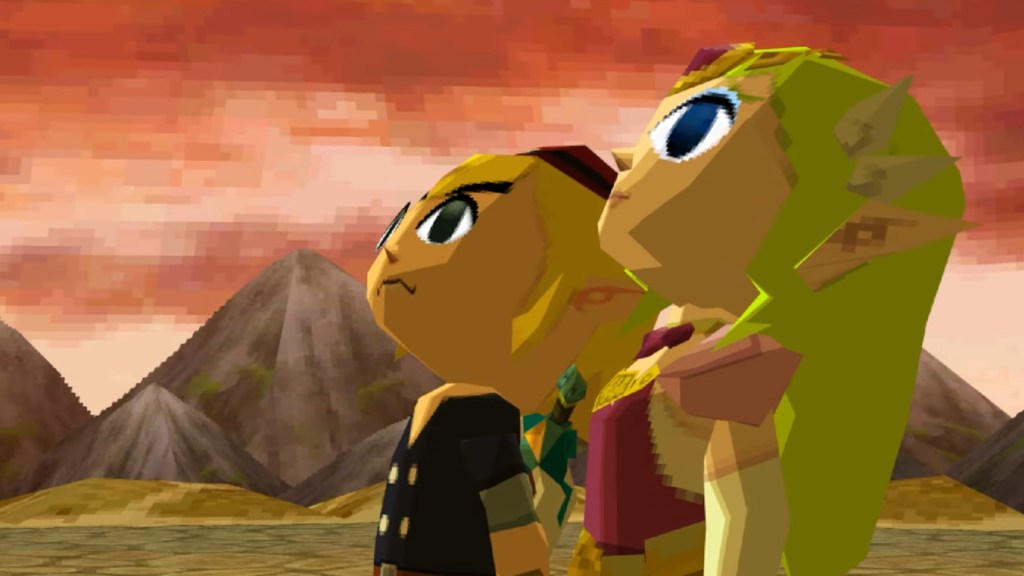
In retrospect, Spirit Tracks was a major stepping-stone towards the heights that the Legend of Zelda franchise would reach with Breath of the Wild and Tears of the Kingdom. The concept of an entirely new Hyrule in Spirit Tracks predated Breath of the Wild‘s massive reimagining of what the realm could be and would look like. The emphasis on the Spirit Tracks and their history in the realm feels like a creative ancestor to the Zonai, who had a similar role in the future Zelda game lore.
The emphasis on Zelda’s personality and role as a hero in her own right has become a crucial element of modern Legend of Zelda games, owing a great deal to the way Spirit Tracks pushed the character forward. More than anything, Spirit Tracks feels like proof that Legend of Zelda can still work as a stand-alone series of games even while building out a singular storyline, something modern Zelda games have embraced. Even though it’s set long after the Link and Zelda of The Wind Waker and Phantom Hourglass have died and moved on, there’s a consistency through the art design and story focus on uncovering the past while building towards a brighter future.
Spirit Tracks closed out one of the best divergences in the franchise, resolving the plotline with a look towards the future that specifically reflects the player’s approach to Link and Zelda’s relationship. While Skyward Sword, which was in development at the same time, felt like a redux of Zelda‘s past, Spirit Tracks was more akin to a step forward. It’s also just a very well-designed game, with tight controls, colorful visuals, and a compelling story. In many regards, Spirit Tracks feels like the Zelda game that the franchise’s current hot streak is most inspired by,
Most Viewed
-

Image Courtesy of Marvel -

Image courtesy of Netflix -

Image Courtesy of Netflix -

Courtesy of Netflix -
Image courtesy of Prime Video