The Legend of Zelda franchise has introduced plenty of different incarnations of Hyrule over the years, which was set up by the franchise’s unique take on a multiverse. Established in the first game in the series, Hyrule has been interpreted as a realm in decline, a lost kingdom, and a flourishing realm in various games. These disparate depictions of the world were given a clever explanation in Hyrule Historia, an official tie-in that revealed the events of The Legend of Zelda: Ocarina of Time led to the creation of three timelines.
Videos by ComicBook.com
The resulting multiverse has connected over twenty games considered part of the franchise canon. It’s also been reconnected thanks to some of the most recent entries in the series, while also leaving the groundwork for other dimensions and new timeline splits. Here’s how the Legend of Zelda multiverse came to be, how it was reunited, and what the future holds for the franchise’s cosmology.
The Age Of The Goddess
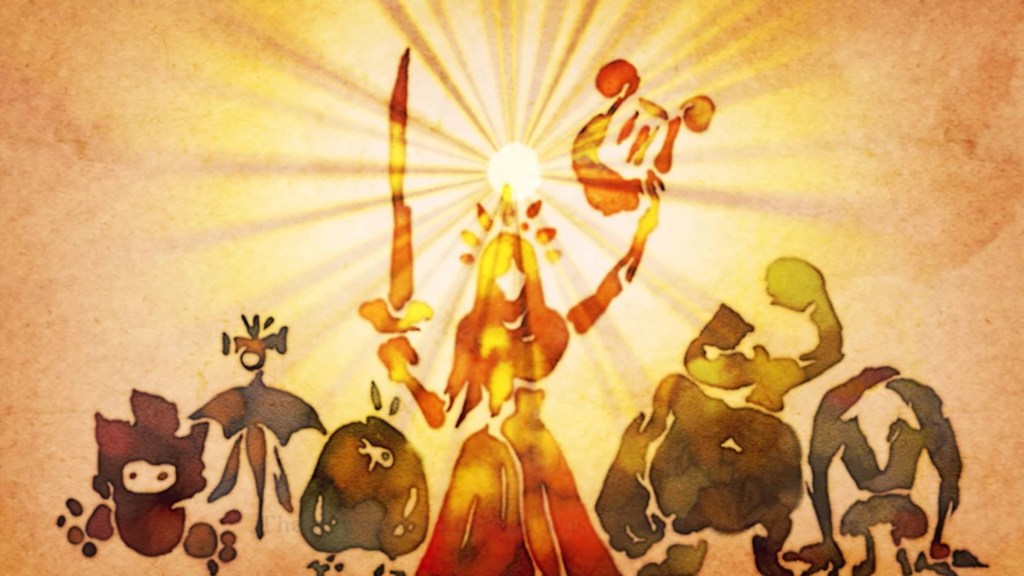
The Legend of Zelda canon is all derived from the mythology established in Ocarina of Time and the events of Skyward Sword, which established the cosmology of the universe. Crafted by the Goddesses Din, Nayru, and Farore, the land of Hyrule was protected by the divine entity Hylia from the forces of darkness, led by the Demon King known as Demise. This laid the groundwork for a larger conflict and Hylia’s reincarnation as Zelda.
Together with one of the earliest incarnations of Link, Zelda was able to fight Demise and defeat him. However, the Demon King used the last of his might to curse his foes, beginning a cycle of reincarnation where his restored self would bedevil the descendants and reincarnations of the two. While Hyrule grew in prominence, other incarnations of Link and Zelda were confronted with the villainous god Vaati in The Minish Cap and Four Swords.
The single timeline eventually became a multiverse as a result of the events of Ocarina of Time, which saw another reincarnation of Demise, the Gerudo King Ganondorf, try to claim the godly power known as the Triforce. The ensuing battle, which took place in a grim future where Ganondorf’s rule had decimated the land, resulted in Ganondorf transforming into the terrible monstrosity known as Ganon. The battle’s resolution also led to the creation of three timelines, defined by either Link, Zelda, or Ganon.
Hyrule’s Decline
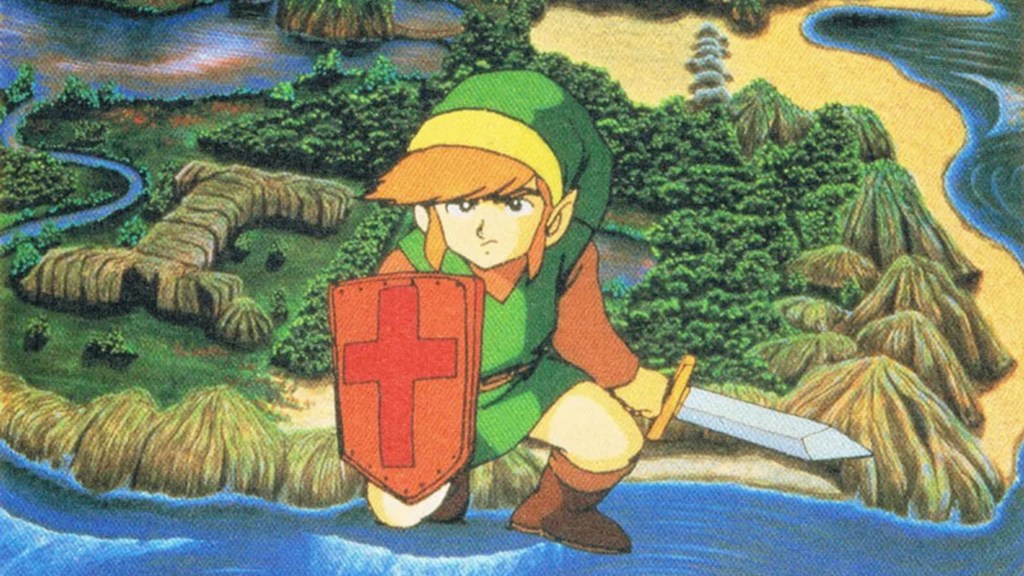
In one of the timelines, Ganon was successful in the final battle and killed Link. Together with the Sages, Zelda was able to trap Ganon in the Sacred Realm in an event later known as the Imprisoning War. Hyrule rebuilt itself, but lost much of the magic and natural life that had once populated the land. Ganon would attempt to break back into Hyrule centuries later, setting up the events of A Link to the Past, where he was slain by new incarnations of Link and Zelda. Other efforts to resurrect Ganon in Oracle of Seasons and Oracle of Ages were prevented by Link.
This incarnation of Link would later have further adventures across the realm, depicted in games like Link’s Awakening. Generations later, another version of Link traveled the world further and was the hero of A Link Between Worlds and Tri-Force Heroes. However, Hyrule gradually declined, especially once a version of Zelda was placed into a mystical coma and Ganon was restored. This set the stage for the original The Legend of Zelda and The Adventure of Link, which saw Ganon once again defeated.
The Hero’s Legacy

In one of the two timelines where Link and Zelda defeated Ganon at the climax of Ocarina of Time, Link was sent back in time to prevent Ganondorf from ever taking over the land. While the realm experienced a period of peace following the attempted execution of Ganondorf (which was prevented by the Triforce, leading to his banishment to the Twilight Realm instead), there were still challenges for Link. After traveling to the world of Termina in Majora’s Mask and saving that realm, Link returned and eventually died with his heroism unknown to the larger public.
His descendant, another incarnation of the hero, would eventually help settle his spirit after learning combat skills from him. This version of Link, the hero of Twilight Princess, faced off with a returned Ganondorf alongside Zelda and the Twilight Princess herself, Midna. Another Link of this timeline would also be forced to fight Ganondorf and Vaati in Four Swords Adventures, eventually defeating them and sealing Ganondorf away to continue this timeline’s era of peace.
An Era Of Invention And Exploration

In the third timeline created by the events of Ocarina of Time, Zelda sent Link back in time but committed herself to rebuilding her own version of Hyrule. As a result, there was no reincarnation of Link when Ganondorf returned. With no other choice, the Hylian King beseeched the Goddesses to bury Hryule under the sea. Centuries later, the survivors who had fled to the mountains — now considered islands in a vast ocean — found themselves threatened by a restored Ganondorf.
This makes up the plot for The Wind Waker, where a new version of Link’s efforts to save his sister leads him to eventually encounter Zelda and defeat the Gerudo King. This Link and Zelda set out to find a new home for their people in Phantom Hourglass, leading to their creation of a new Hyrule. This was the setting of Spirit Tracks, which follows the descendants of Link and Zelda as they encounter new challenges in this realm.
The Age Of Calamity

Eventually, all three timelines converge into a new shared world, which serves as the setting of Breath of the Wild and Tears of the Kingdom. 10,000 years after the events of Ocarina of Time, the realm came together to form a new reality that was quietly connected to all of the previous games. The culmination of Ganon’s malice and power resulted in the creation of Calamity Ganon, an almost ethereal force of nature that corrupted the Sheikah technologies and almost destroyed the world.
After a reincarnation of Link and Zelda failed to destroy this threat, Link was placed into a supernatural coma to recover from his injuries while Zelda sacrificed her freedom to contain the malicious force. A century later, Link awakens and works to restore the Divine Beasts to help him defeat Calamity Ganon. Although they are successful, Ganondorf is restored not long after, setting up the plot of Tears of the Kingdom and forcing the pair to fight the Gerudo King once again. However, Hyrule Warriors: Age of Imprisonment creates a second timeline as well, where the use of time travel resulted in a world where the heroes of both periods were able to unite and defeat the Calamity, leading to a new era of peace.
Other Realms And Dimensions In Legend Of Zelda’s Multiverse
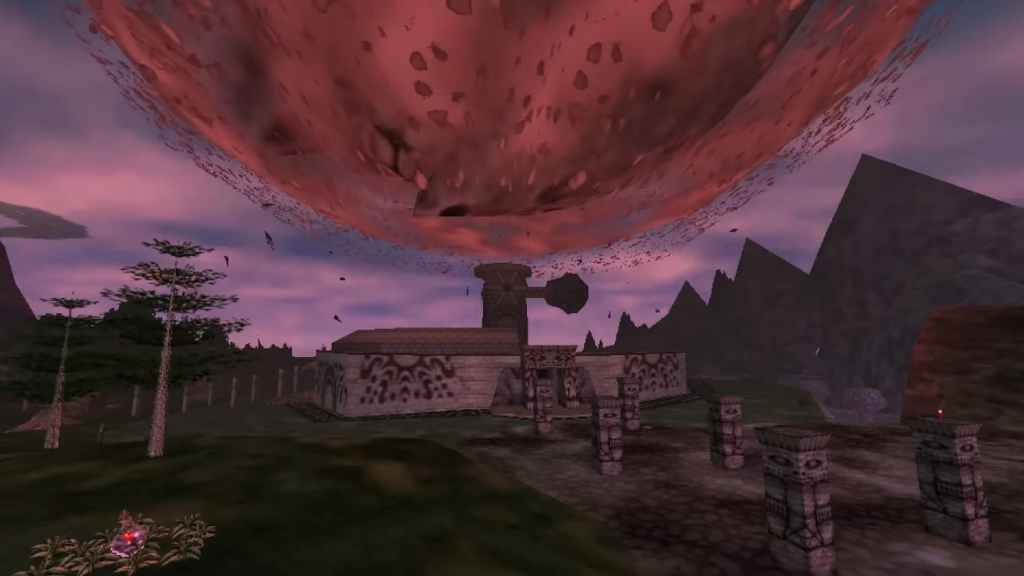
Even beyond the various timelines established by all of the franchise’s various time travel, there are other minor realities within the larger Legend of Zelda franchise that have been explored in other games. There are parallel realities to Hyrule in the form of Termina and Lorule, the settings of Majora’s Mask and A Link Between Worlds. These realities include parallel versions of established characters. Other dimensions, like the Twilight Realm, serve as the home of the Twilight people, a tribe condemned for their efforts to subvert the will of the Goddesses.
There are also places like the World of the Ocean King in Phantom Hourglass, the Silent Realm in Skyward Sword, and the Illusory Realm in Breath of the Kingdom, all of which serve as minor pocket dimensions within the game universe. Thanks to the mystical nature of Legend of Zelda‘s worldbuilding, other dimensions and realms can easily be established in future games as well. With the future of the series wide open following the conclusion of Tears of the Kingdom, entirely new versions of Hyrule could be introduced in future games.