Player counts have a strange kind of gravity in modern gaming. They hover above every new release like constellations made of numbers, promising success when they shine brightly and raising quiet doubts when they flicker in ways no one quite expected.
Videos by ComicBook.com
Enter the competent shooter, Marathon. Despite climbing near the top of Steam’s Top Sellers chart, the game has reportedly peaked at roughly 88,000 concurrent players since launch. On its own, that number is respectable and far from disastrous. The unease appears when the scale of the project enters the frame. Context matters a lot here. Said context is that Marathon is a massive live service title developed by Bungie and supported by Sony Interactive Entertainment, with rumors placing its development costs somewhere between $200 million and $250 million. When expectations are that large, one has to question the viability of Marathon’s longterm sucuess.
Steam’s Top Sellers Chart Doesn’t Reflect All Player Activity
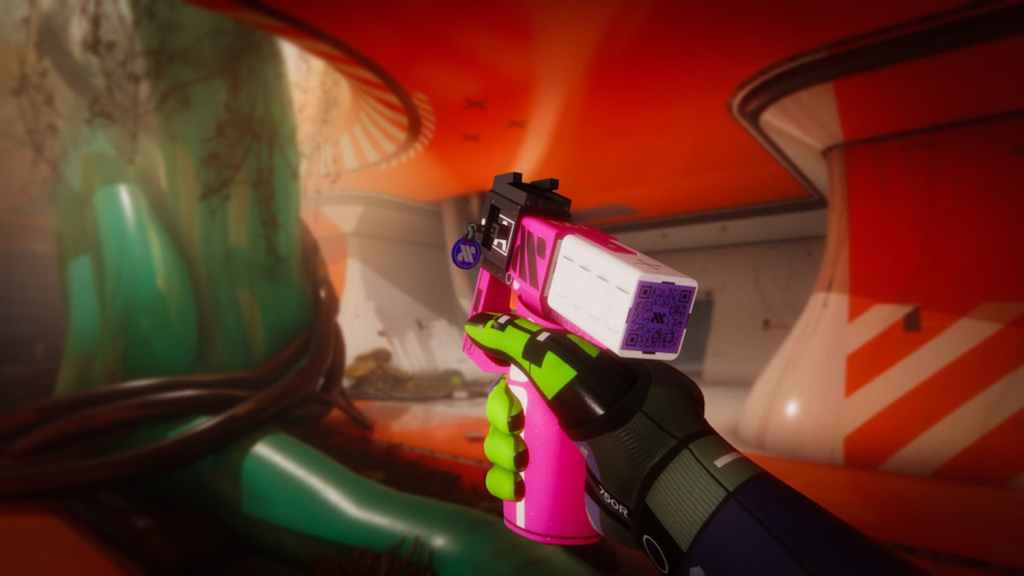
Seeing Marathon near the top of Steam’s Top Sellers chart naturally creates the impression that the game is thriving across the board. In many ways, that visibility is encouraging and is pretty much a reality for the game as of now. However, an important distinction must be made. High placement on the chart signals strong purchasing momentum and suggests the game is attracting significant attention during its launch window.
Even so, games that list on Steam’s Top Sellers chart mark revenue rather than player engagement, which means they only reveal part of the picture. A game can sell extremely well during its first wave of excitement while still struggling to maintain consistent player activity afterward. Basically, just because people bought the game doesn’t mean those people are actively playing it. For a traditional single-player release, that distinction matters less. For a live service shooter, it matters a great deal.

It is also worth remembering that Steam represents only one slice of the total player base. Marathon is not confined to a single storefront, and its full audience likely extends across multiple platforms. That broader ecosystem means the 88,000 peak on Steam does not necessarily represent the game’s complete reach.
Even with that caveat in mind, concurrent player numbers still function as a rough barometer for long-term health. They indicate how many people are actively inhabiting the world at the same time, which directly influences matchmaking speed, social engagement, and the overall sense that a game’s community is thriving rather than shrinking. They also work to deflect the typical live-service self-fulfilling death spiral, which occurs when overall public perception is that a title is failing.
Live Service Games Like Marathon Need Big Player Bases to Succeed

You might think this extended look at Marathon’s numbers is trivial, but you must understand that live service titles live and die by the size and stability of their communities. When player populations remain strong, matches fire quickly, seasonal updates feel meaningful, and the entire ecosystem begins reinforcing itself. When numbers decline too quickly, the cracks tend to appear everywhere at once, and they’re usually very difficult to seal.
That’s why this look into Marathon’s early concurrency figures feels both promising and slightly concerning. The game’s launch numbers do not signify a weak start by any means or metric, especially for a new entry in a competitive genre. The worry emerges when the scale of the project enters the equation. A game built with such a large budget naturally carries expectations for a large and persistent audience. Investers want massive returns for the project, and that is what the concern over Marathon’s launch numbers is actually about.
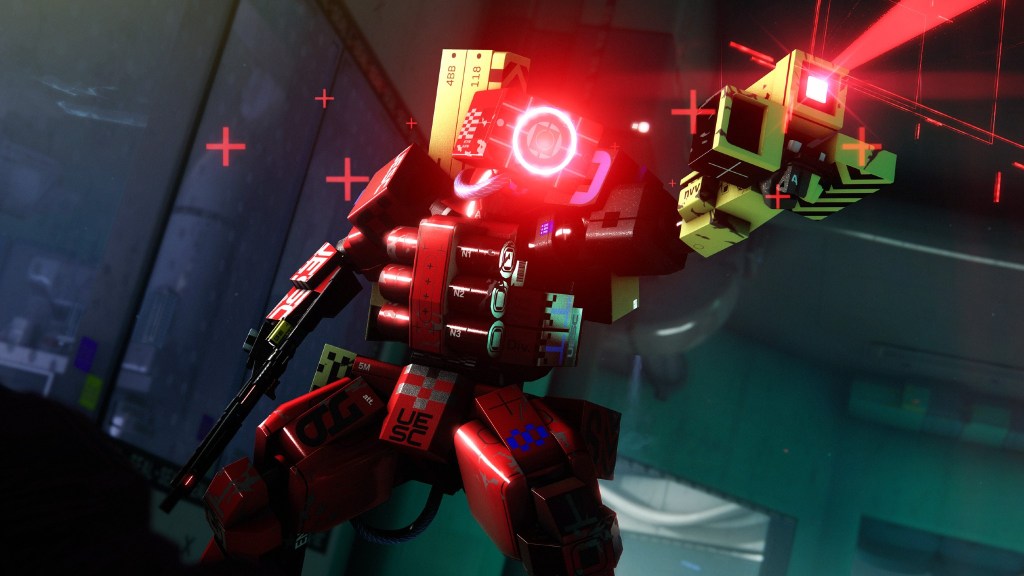
The core experience itself shows real promise. Marathon’s gunplay feels Bungie-sharp, and its matches can generate the kind of tension that keeps players coming back for another run. Those strengths suggest the foundation is there for the game to build a dedicated community over time rather than relying entirely on launch hype.
If Marathon maintains a steady portion of its current audience over the next month or so, the numbers could stabilize into a healthy long-term player base. If a steep drop-off occurs, the conversation around the game’s sustainability could shift quickly. Launch numbers rarely tell the full story, but they often hint at the road ahead, and for Marathon, that road still feels uncertain despite a launch that looked strong at first glance.
What do you think? Leave a comment below and join the conversation now in the ComicBook Forum!
More Gaming
-

Image Courtesy of Dreamworks -

Image Courtesy of Electronic Arts -

Image Courtesy of Electronic Arts