Every gaming franchise is going to have its share of ups and downs, especially when there are massive gaps in the property’s release history. Take Metroid, which has gone through periods of massive highs and absent lows over the years. Following one controversial game in particular, it took over a decade for the mainline franchise to return — which should underscore just how poorly fans responded to that game. It’s reached the point where the game is still often compared to the other lowlight of the Metroid series.
Videos by ComicBook.com
Developed by Team Ninja and released on the Nintendo Wii sixteen years ago, Metroid: Other M was an attempt to bring a more character-driven touch to the narrative. The problem is that in doing so, the developers tripped up on their portrayal of Samus Aran as a character that was only exacerbated by localization teams. The result was a version of Samus that betrayed one of the core traits of the character and remains a point of contention with fans. Even 16 years later, Other M‘s portrayal of Samus stands out as one of the bigger blunders the franchise has ever experienced.
Other M Completely Missed The Point Of Samus
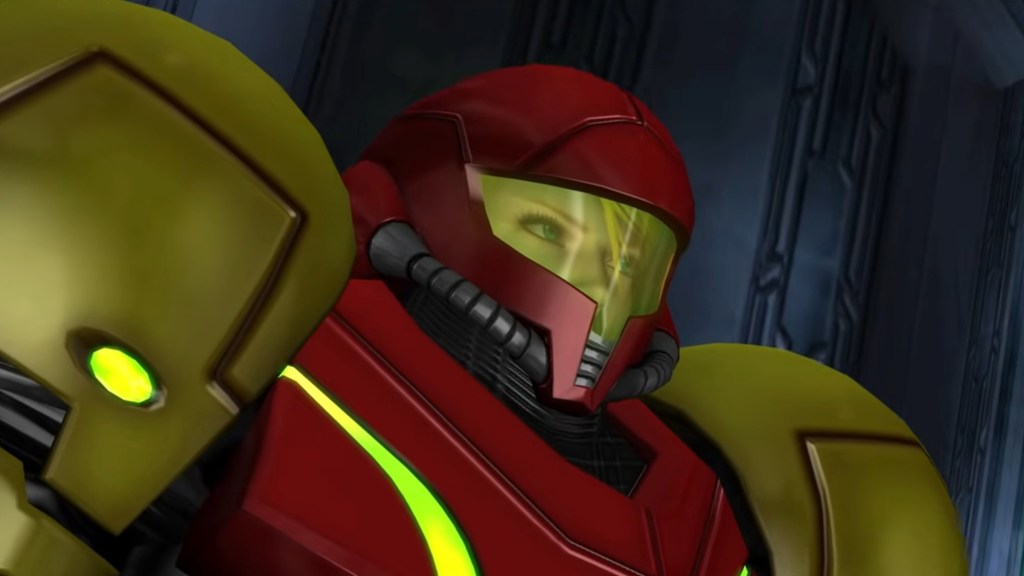
Serving as a bridge between Super Metroid and Metroid Fusion, Other M puts more emphasis than almost any other entry in the series on Samus’ dynamics with other people. Most prominently, her commanding officer Adam Malkovich serves as a constant prescene in the game’s narrative. That dynamic was amplified in the English localization, to the point where Samus was suddenly severely focused on impressing Adam and proving herself. Intended as something of a father figure, the character comes across as condescending towards Samus at various points in the game.
The thing that made it extra galling for Metroid fans in the West was the way it reshaped the presentation of Samus herself, especially after the previous games had largely focused on her as a stand-alone character with a stoic confidence. There was never a hint that she needed the approval of another to feel validated. While the game implies this is in part due to Samus’ lingering grief over the sacrifice of the baby Metroid that had imprinted on her in Super Metroid, the melodramatic dialogue and differing characterization felt incredibly odd in comparison to a character who up to that point had been largely silent and efficient in her approach to combat and exploration.
It felt like a different character entirely, right down to her normally blank visor now being see-through during cinematics to showcase her reaction to the circumstances around her. It was a far cry from the Samus that fans had come to know, especially for those playing through the English edition where the Samus/Adam dynamic was more overdramatic (and still strangely muted in its delivery at the same time). While the underlying gameplay was met with a mixed reception by fans, the portrayal of the strong and silent Samus as needing the approval of a man previously unseen in the series and largely disconnected from what players had experienced as Samus threw fans for a loop.
How Metroid Salvaged Samus After Other M’s Stumble
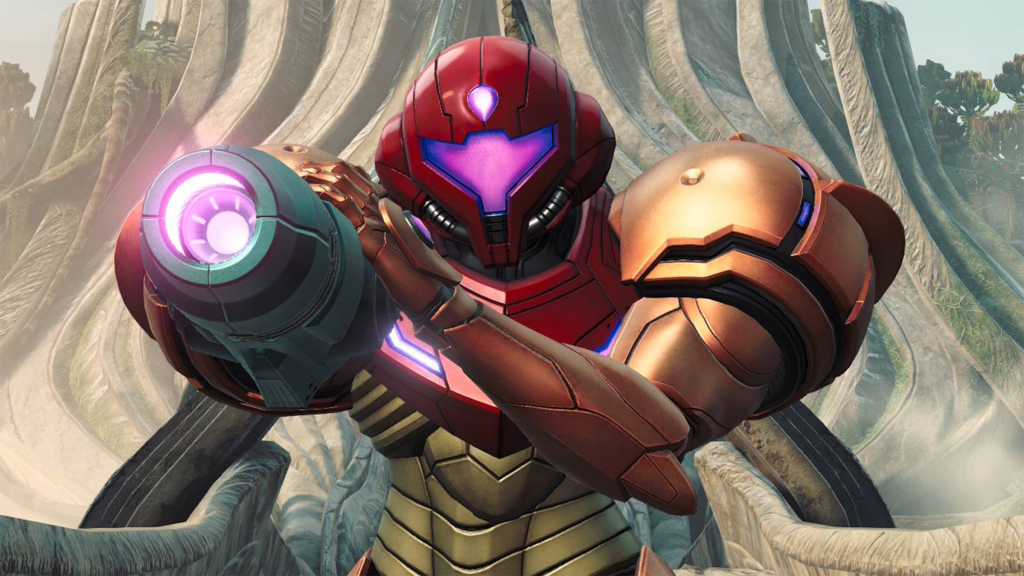
Subsequent games in the Metroid series were often defined by being throwbacks to previous eras of the franchise — and very pointedly moving the character back to the more stoic and confident state she was in within other games. Metroid Dread portrayed her as a blunt soldier, embracing her transformations and dealing with the challenges of her increasingly alien transformations head-on. Metroid Prime 4: Beyond underscored her dedication to protecting life without undercutting her capabilities and personal agency.
Both games put Samus at the center of her story instead of making her subservient to another character who isn’t even on the battlefield. This reinforced the older portrayals of Samus without undercutting the sense of loss and resilience that became defining traits over the course of the series. She actually felt like Samus, the bounty hunter who went off on her own to resolve the galaxy’s problems. That may be the biggest thing that fans reacted poorly to with Other M, which some players have tried to address in fan remakes of the game.
In almost every iteration of Samus Aran, the character is the sole figure in her adventures who can deal with the catastrophe. She (and by extension the player) has the authority and the agency to go exploring, to collect weapons, and to defeat enemies. It’s a game that firmly places the player into the hero role by making Samus a lone, stoic bounty hunter who can’t be shaken by dread space pirates but could lose her balance because of the loss of a friend. That Samus didn’t feel consistent with the version seen in Other M, a far more overtly emotional and snippy character. Samus is the definition of the strong, silent type in gaming, which is why her much more unsure and talkative iteration in Other M felt like such an odd take on a character fans had been playing for decades.
More Gaming
-
Image Courtesy of Fast Travel Games/Bethesda Softworks/Capcom