Role-playing games have always promoted freedom. From the earliest tabletop sessions to sprawling digital epics, the genre sells itself on the idea that players can shape their own story. Dialogue trees, branching quests, and moral choices exist to reinforce and fulfill that fantasy. Yet for all the complexity modern RPGs offer, many still funnel players toward the same emotional play style. No matter how the journey unfolds, the ending often assumes a specific type of protagonist and a specific kind of outcome.
Videos by ComicBook.com
I remember finishing dozens of RPGs where my character’s personality felt fully formed in my head but strangely constrained on screen. I could choose how politely to speak, which faction to support, or what weapon to wield, but the game always assumed my intentions were noble and pure. The option to reject heroism and the greater good, to act selfishly or cruelly, or to simply watch the world burn, were seldom choices presented to me. It was a fact I accepted: most RPGs don’t let you play the villain.
RPGs That Embraced & Encouraged Villainous Behavior

I remember the first time I played Fable, and one way or another, I went down the path of darkness. I donned dark clothing, consumed far too many crunchy chicks, and watched as my character sprouted horns. Villagers shunned me, and I killed them for it. From there, I moved on to Overlord, where I imagined myself as Sauron conquering Middle-earth. My obsession with playing evil characters only grew from there, but it was difficult to find games that embraced this way to play.

Baldur’s Gate 3 is perhaps the most recent game to answer my dark pleasure. Larian Studios gave players the tools to be manipulative, ruthless, or outright monstrous, and then committed to reacting to those choices. Entire questlines vanish, companions leave or turn hostile, and the world reshapes itself around the consequences. Playing an evil character in Baldur’s Gate 3 is not a novelty run. It is a fully supported experience, and you can bet your bottom dollar I embraced the side of evil after one conversation with my Drow queen, Minthara.
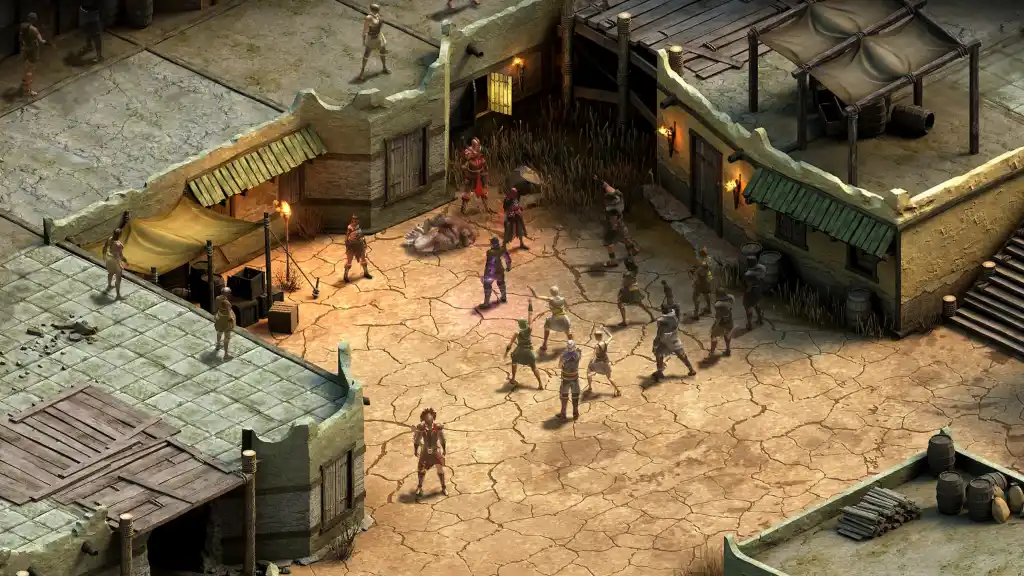
Predating Baldur’s Gate 3 is Tyranny, which went even further by building its entire narrative around conquest and oppression. From the opening moments, players serve a brutal empire, and morality becomes a question of control rather than kindness. The game asks not whether you are good, but what kind of villain you want to be. RimWorld approaches the idea from a systemic angle. It never labels choices as good or bad, yet its emergent storytelling allows players to commit atrocities in the name of survival or efficiency. These games trust players to explore darker paths without judgment, and that trust creates unforgettable stories.
Playing the Hero Gets Old
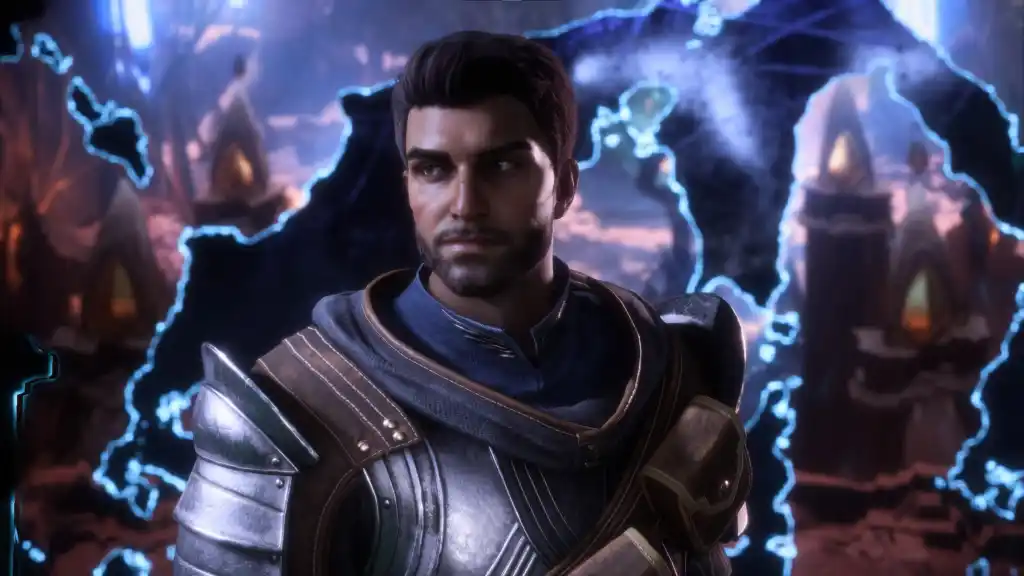
On the other end of the spectrum are RPGs that tightly define the player character’s moral role. Dragon Age: The Veilguard follows this tradition, positioning the protagonist as a necessary force of good within a familiar fantasy framework. No matter how much I want to support the Evanuris and aid in their conquest of Tevinter, I have to play the good boy. While different dialogue tones or strategic approaches lean into sarcasm and sass, the narrative consistently frames the protagonist as the protector of the world. The story assumes heroic intent, even when the player might want to question or reject it.
This approach is not inherently wrong. Many players enjoy stepping into the boots of a clear hero, and tightly written narratives benefit from a focused moral lens. The problem arises when these games advertise freedom but quietly remove moral deviation. When every major decision ultimately serves the greater good, choice becomes cosmetic. The illusion of agency can feel more restrictive than a fully linear story. For players who enjoy role-playing as flawed, selfish, or morally ambiguous characters, these games can feel like a closed door rather than an invitation.
Don’t get me wrong, while I love playing a villain, I do believe that heroes should have their day. But with gaming, most days are in celebration of heroes. My paladin is a blast to create and play in other games, but I want deviation from this. So many games focus on saving the world, even when the world doesn’t deserve saving. Villains are presented as evil for evil’s sake, but countless baddies are right in their cause and convictions. Having the option to shirk what’s right and join them is something that I wish more games would offer.
The Option to Be Evil Is More Important Than Ever
I recognize I may be an outlier, but even if most players never choose it, the option to be evil is essential to meaningful role-playing. Knowing that you could betray a faction, sacrifice an innocent, or seize power for yourself gives weight to the moments when you choose not to. Morality only feels real when alternatives exist. Without them, heroism becomes mandatory and leaves little room for character growth. When I play a role-playing game, I want the ability to develop my character to reflect the ideals I instill in them.
Some of my favorite RPG memories come from runs I never finished. A character who went too far and lost everything. A decision that felt clever in the moment but horrifying in retrospect. These stories stayed with me because the game allowed them to happen. They were not cutscenes or scripted twists. They were mine. That sense of ownership is what separates great RPGs from merely good ones. If there were no option to be evil, then these moments would never happen, or at best, lack impact when they appear.
From a design perspective, supporting evil choices also deepens worldbuilding. It forces writers and developers to consider how societies respond to cruelty, power, and fear. NPCs become more than quest dispensers when they can hate you, fear you, or exploit your reputation. The world feels reactive rather than performative. Even players who always choose the moral high ground benefit from this depth, because the setting feels alive. Imagine being hailed as a hero for the entirety of a game, only to make one big mistake and have your friends turn on you. That’s the weight of decisions RPGs should strive for.
More RPGs need to embrace this philosophy. Not to encourage cruelty, but to respect player agency. Role-playing games are at their best when they allow players to explore the full spectrum of human behavior; after all, look at the evil in the real world. But when RPGs just serve up the happy and heroic bits, the genre loses its meaning. The decision to be evil does not need to be popular; it just needs to exist.
What do you think? Leave a comment below and join the conversation now in the ComicBook Forum!
Most Viewed
-

Image courtesy of Tor Books/Macmillan -

Official art by Bastien Lecouffe-Deharme