Nioh 3 is, by most metrics, a solid game. The more responsive controls give it an identity in a sea of peers that often prioritize long windup animations and slow attacks. Boss fights, although easier this time around, are the culmination of what the player has gathered so far and are rewarding tests in skill. These descriptors aren’t exclusive to Nioh 3, as they can also more or less describe the other RPGs Team Ninja has developed after 2017’s Nioh. Some of this is part of the problem since Nioh 3 isn’t able to shine as brightly as it could because it shares so many similarities with those prior games.
Videos by ComicBook.com
Nioh, Nioh 2, Nioh 3, Wo Long: Fallen Dynasty, Stranger of Paradise: Final Fantasy Origin, and Rise of the Ronin all have pretty sharp combat mechanics. There’s still a scale — Nioh 2 is at the top, while Stranger of Paradise is at the bottom — but it ranges from “solid” to “fantastic” rather than “bad” to “great.” The consistency Team Ninja has shown in this particular aspect is commendable, but being spoiled like this has demonstrated that it is indeed possible to have too much of a good thing.
Nioh 3 Is Diminished by Team Ninja’s Persistent Output
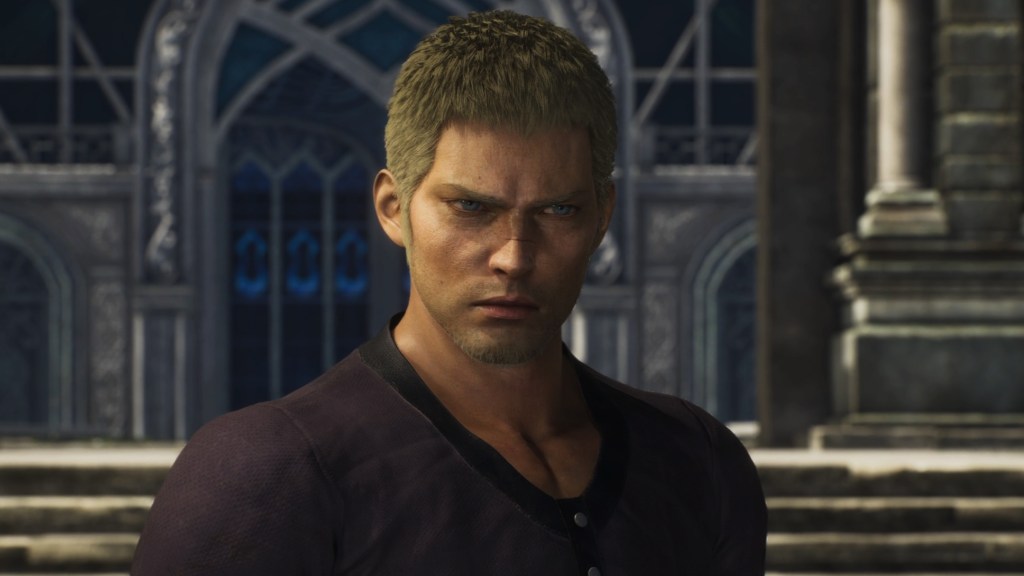
All six of these games and their 12 cumulative story expansions came out within the last nine years. That’s a ridiculous pace (which doesn’t even count the other games like Ninja Gaiden 4 and Dead or Alive 6 that came out in that same period) that makes it hard to miss Team Ninja’s RPGs. So even though some of the finer print changes, the broad strokes of each game are similar enough — with a few minor exceptions — and come out at a regularity that diminishes their individual impact each successive time. Their many overlaps would be more forgiving if they had come out over a longer span of time. The formula worked a little too well, and Team Ninja milked it too hard and too quickly.
Even if the combat has remained solid, there’s always a tinge of familiarity here with the overall mission layouts, tempo, and general presentation. Novelty was one of the reasons Nioh was such a big deal in 2017, and Team Ninja has eroded that part of its legacy with its barrage of games cut from the same cloth. This is particularly present in Nioh since Nioh 2 and especially Nioh 3 directly borrow elements from past games. All of Nioh 3’s weapon types, many of its side bosses, and around 75% of its basic enemies are taken directly from its predecessors without much to differentiate them from past installments. That’s not a great balance for a full-fledged sequel.
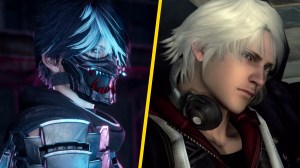
And while the positives lose their luster through repetition and coming out in such a short period of time, the negatives only get more frustrating as time passes, as these games not only generally have the same strengths but the same sore spots, too. Team Ninja’s RPGs have bland visual styles and environments, awful stories full of two-dimensional characters, and some of the most excessive loot drops in the genre. The studio has neglected to shore up its weaknesses and these shortcomings have only grown more pronounced.
Nioh 3‘s Problems Are Incredibly Familiar
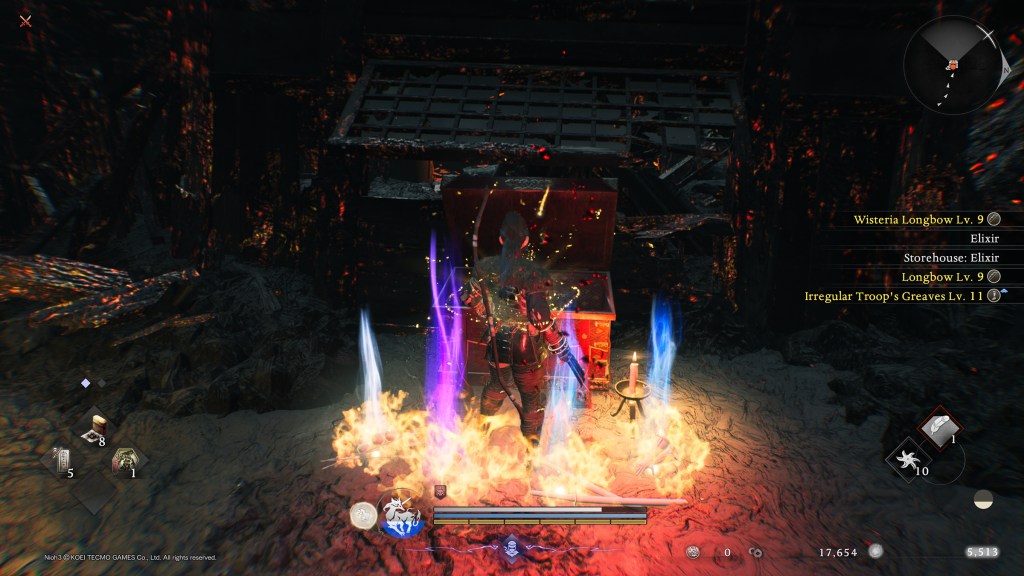
Having to sift through the copious piles of loot has been a complaint since the first Nioh, and yet Nioh 3 still requires players to do just that. The new filtering options and bigger inventory size are meant to alleviate these headaches, but they don’t solve the core issue of the loot often being terrible and a means to keep players stuck in menus. The crappy narratives have only gotten more bland as time has gone on to the point where Nioh 3’s is the worst of the trilogy and has the most forgettable cast. Team Ninja has thankfully made more supernatural levels, but they still mostly take place in the same castles, forests, and caves that have always been in the series and remain lifelessly lit and mostly unremarkable. There are only so many ways to make levels in Feudal Japan and Team Ninja has seemingly done all of them (and the China-based levels in Wo Long suffered in the same ways, too).
AAA game development is in a bad spot since it takes so much longer for studios to finish their games. But Team Ninja’s approach is not a total victory because such a rabid output lessens the impact each game can have. The team isn’t giving these titles enough time to breathe and truly carve out their own niches. Wo Long is like Nioh but with a stronger parry. Stranger of Paradise is like Nioh but with a Jobs system and a chaotic protagonist that swears. Rise of the Ronin is like Nioh but in an open world. Admittedly, it is a bit reductive to refer to them like that, but squint at any screenshot or gameplay video of them and they’re easy to mix up.
By the time the team had looped back to Nioh for Nioh 3, its potential had already been reduced. The fresh combat that had defined the Nioh games is less exciting since it hasn’t generally strayed far from what those other Nioh and non-Nioh games did. Even aspects like its open world and ability to jump were small advancements borrowed from Rise of the Ronin and Wo Long, respectively. Nioh 3 could have been the ultimate culmination of what Team Ninja has learned making Soulslikes for almost a decade, but it is too familiar to make the huge imprint it deserves to make because Team Ninja put out too many similar games in such a short amount of time. So while it has the fluid combat of the original, Nioh 3 unfortunately lacks the all-important surprise and ingenuity that that seminal first game had.
What do you think? Leave a comment below and join the conversation now in the ComicBook Forum!
Most Viewed
-

Image Courtesy of Crunchyroll -
Image courtesy of Sony -
Image Courtesy of A-1 Pictures