Boss fights are an iconic part of the gaming industry. They are the culmination of all the various skills you learn while playing, and test these as no other challenge does. Some boss fights are memorable because they are difficult. Others stand out because of spectacle, music, or narrative weight. Very few achieve something rarer by fundamentally changing how players think about what a video game boss can be. In the late 1990s, games were still largely defined by clear rules, invisible boundaries, and predictable systems. But one boss fight challenged this and forced players to come up with a unique solution.
Videos by ComicBook.com
One encounter managed to blur the line between player and character so completely that it still feels shocking decades later. When I finally encountered Psycho Mantis in Metal Gear Solid, it became immediately clear that this was something different. This was not just a fight. It was an experience that felt unsettling, personal, and impossibly clever. Even now, more than twenty-five years later, no boss fight has truly surpassed what it accomplished.
Psycho Mantis is One of Gaming’s Best Bosses
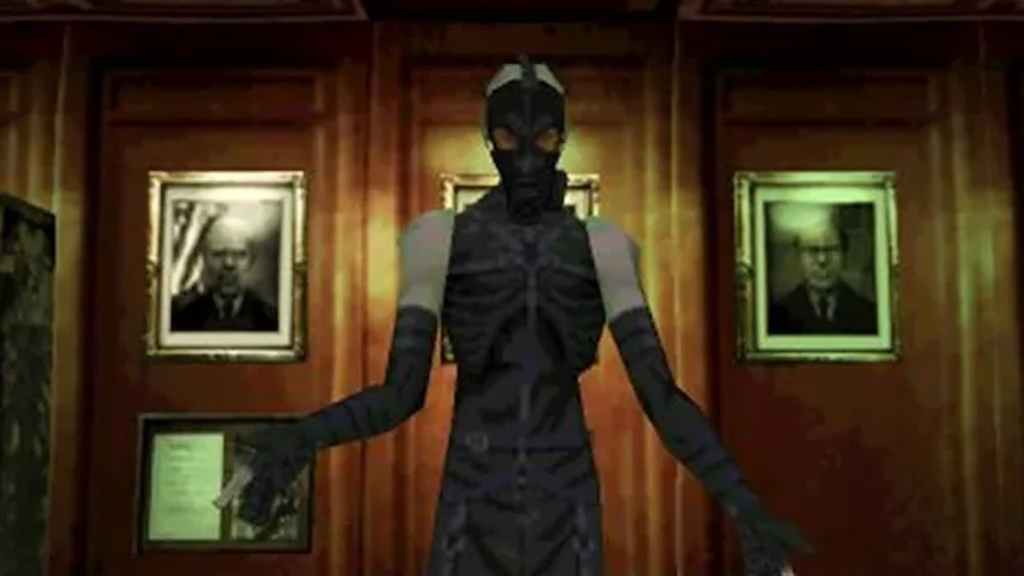
The Psycho Mantis boss fight in Metal Gear Solid remains legendary because it directly engages with the player rather than just the character on screen. From the moment the battle begins, Mantis breaks the fourth wall. He comments on your playstyle, references other games saved on your memory card, and reacts in ways that feel invasive. He is an unsettling boss who shocked me the first time I encountered him.
What truly elevates the fight is how it weaponizes the hardware itself. Psycho Mantis appears to read your controller inputs, effortlessly dodging every attack. The solution requires players to physically unplug the controller and move it to another port. This was a shocking moment in 1998. The game forced players to think outside the screen, turning the console into part of the puzzle. I only figured this out with the help of my brother, but it took many tries to discover this.
The fight is not mechanically complex by modern standards, but its creativity is unmatched. Mantis uses telekinesis, mind games, and scripted tricks to make the player feel powerless. When he moves your controller with vibration or pretends to turn off the game, the effect is deeply unsettling. It creates a sense that the game itself is conspiring against you and makes you question whether you are playing correctly.
Fans love this boss fight because it is fearless in its wild creativity. It experiments with mechanics not seen in video games and trusts that the confusion it creates will turn into wonder after discovering the method to defeating Psycho Mantis. This boss is not remembered because he is difficult, but because he makes the player feel seen and think in a way few games ever attempt.
Metal Gear Has Always Been Ahead of the Curve
The Psycho Mantis fight did not exist in a vacuum. It was the product of a series that has always pushed boundaries. Metal Gear Solid arrived during a time when stealth gameplay was still relatively rare, and it redefined how tension and storytelling could coexist with player agency. To this day, it remains one of the best implementations of stealth action in video games, and its legacy sticks with fans today.
Hideo Kojima’s design philosophy emphasized interaction, subversion, and player awareness. The series consistently asked players to observe their surroundings, listen to dialogue carefully, and question traditional game logic. Boss fights were not just tests of combat ability. They were extensions of character and theme and often reappeared when least expected.
Throughout the Metal Gear franchise, bosses often reflect ideas rather than just obstacles. Sniper Wolf explores empathy and tragedy. The End challenges patience and time itself. Psycho Mantis represents manipulation, control, and the loss of privacy. His fight works because it aligns perfectly with his character. He invades your mind just as he invades the game’s systems.
This forward-thinking approach is why Metal Gear Solid remains relevant in discussions about game design and narrative innovation. The series anticipated trends like environmental storytelling, cinematic presentation, and meta commentary long before they became common. Psycho Mantis is simply the most famous example of that philosophy executed flawlessly.
Boss Fights Have Yet to Top Psycho Mantis’ Creativity
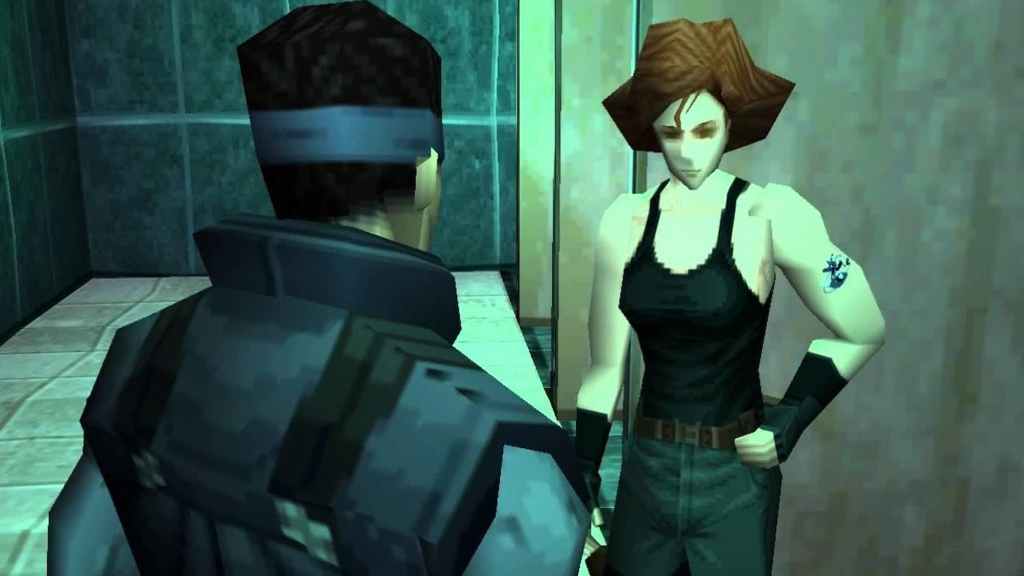
Many modern games feature massive boss fights with complex mechanics, cinematic visuals, and emotional stakes. Yet few take risks comparable to Psycho Mantis. Today’s boss encounters often rely on spectacle and difficulty rather than surprise and conceptual innovation. The reason is partly practical. Modern consoles are standardized, online-connected, and less flexible in terms of physical interaction. Memory cards and controller ports are no longer central to the experience. Today’s developers are often hesitant to confuse players or risk breaking immersion.
What made Psycho Mantis special was his willingness to do exactly that. The fight disrupted immersion to deepen it. By acknowledging the player directly, it created a bond that transcended the screen. Even now, players who experience the fight for the first time often react with disbelief that a game from 1998 could feel so bold. That is not nostalgia alone. It is recognition of a design moment that has not been replicated.
Only one game has captured that same feeling for me, and that is Undertale. The final confrontation with Flowey reminded me so much of Psycho Mantis. It also combined narrative, mechanics, hardware awareness, and psychological manipulation so seamlessly. Like Psycho Mantis, Flowey did not just test your skills. He challenged your understanding of games themselves. That is why, decades later, no boss fight has truly topped it, though some like Flowey came close.
What do you think? Leave a comment below and join the conversation now in the ComicBook Forum!
Most Viewed
-

Image Courtesy of Crunchyroll -

Image Courtesy of TOHO -

Image courtesy of Marvel Studios -
Image Courtesy of Good Shepard Entertainment/Sony Interactive Entertainment