The JRPG genre is home to an incredible number of games, many of which are exceptional. However, this brings a particular kind of heartbreak that only JRPG fans understand. It happens when a game takes bold risks, dares to do things differently, and is quietly dismissed because it refuses to hold the player’s hand. Over the years, I have watched countless ambitious role-playing games fade into obscurity not because they lacked quality, but because they were ahead of their time or took experimental risks. These games often age better than their reviews, revealing their brilliance only after trends catch up.
Videos by ComicBook.com
In the late 2000s, one such game arrived at exactly the wrong time. Expectations were different from what they are today. Western audiences wanted clear tutorials, cinematic storytelling, and familiar progression systems. What they got instead was The Last Remnant, a dense, unconventional JRPG that refused to explain itself in simple terms. Despite being an incredible game, it was widely misunderstood and disregarded by Western players due to its complicated combat systems and its indirect approach to narrative and exposition.
The Last Remnant Was Ahead Of Its Time
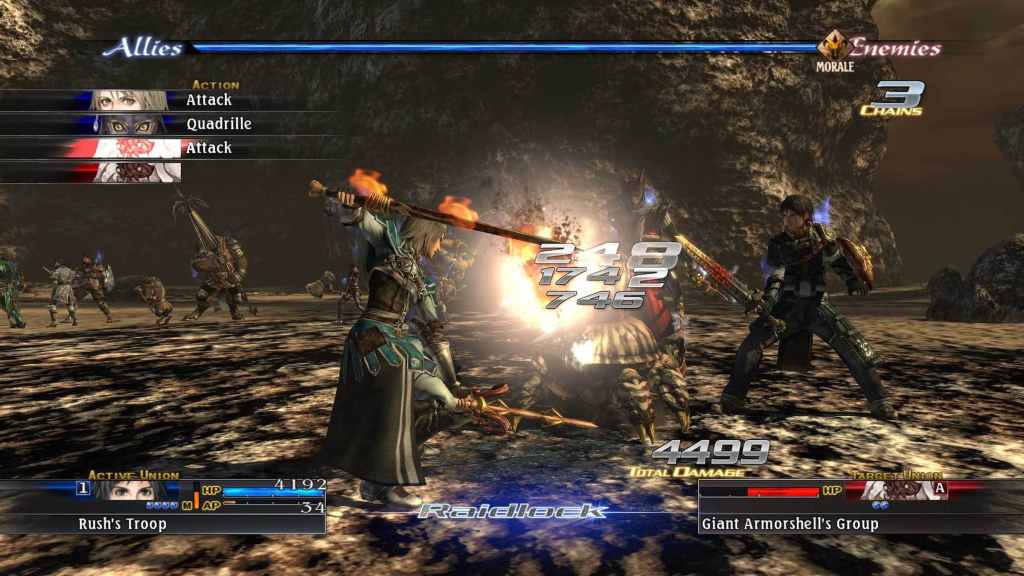
When The Last Remnant launched, many players bounced off within hours. I still remember my friends falling off it. They were used to Square Enix’s other JRPGs: Final Fantasy VII, Final Fantasy VIII, and Final Fantasy IX. Traditional turn-based RPGs were the norm, and The Last Remnant bucked this genre standard. Instead of controlling individual characters, players commanded unions of fighters. The combat was less forward than those that had come before it, and this required players to lean more into observation to master it.
At the time, this design felt hostile to players accustomed to clarity. In hindsight, it was way before its time. Many modern games now reflect this mindset and mechanic, allowing players to figure out these systems on their own. Xenoblade Chronicles is likely the best example of this, but The Last Remnant did it years before it became fashionable. Its systems rewarded experimentation and punished shallow optimization, forcing players to think strategically on a macro level. While it could be frustrating, it paid off in ways that few appreciated.
The narrative followed a similar philosophy. Rather than delivering exposition through long cutscenes, the game relied on environmental storytelling, political intrigue, and fragmented perspectives. You were not the center of the universe. You were a participant in a much larger conflict. That subtlety confused many players, but it gave the world an authenticity that still feels rare today. I loved having to pay attention and actively seek out information.
Modern JRPGs Owe A Lot To Last Remnant
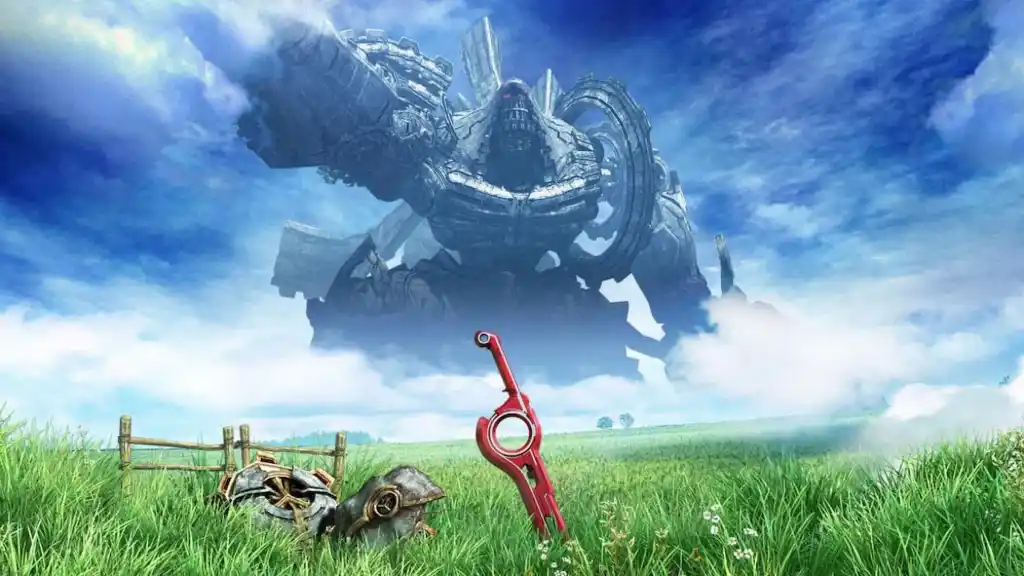
Looking at the JRPG landscape now, it is clear that The Last Remnant planted seeds that others would later cultivate. Modern JRPGs increasingly embrace complex systems, layered narratives, and indirect storytelling. Monolith Soft’s Xenoblade Chronicles came one year later, and you can see this inspiration here. Other games like Octopath Traveler and Triangle Strategy trust players to connect dots rather than spell everything out. That mirrors what The Last Remnant attempted long before the audience was ready.
Even combat design has shifted. Many modern JRPGs blur the line between turn-based and real-time systems, emphasizing positioning, synergy, and group dynamics. The union-based combat of The Last Remnant feels less alien today than it did at launch. In fact, revisiting it now reveals how forward-thinking it truly was. As the turn-based systems went the way of the past, I can’t help but feel that if The Last Remnant had waited a few more years, it would have had a better reception.
Discussions around underrated JRPGs and misunderstood RPG classics often circle back to this game. It represents a moment when Square Enix experimented boldly, even at the risk of alienating part of its audience. That willingness to take risks is something many fans now actively miss. I hope that Square Enix and other developers continue to take this risk. I want more games like The Last Remnant and Xenogears that aren’t afraid to experiment with gameplay and narrative.
Its Needs A Better Remaster

Despite its strengths, The Last Remnant, I recognize that it is not without flaws. Its UI can be opaque. Its systems are poorly explained. Performance issues plagued early versions. And while the existing remaster improved some technical aspects, it stopped short of addressing the core accessibility problems that turned players away in the first place. An improved remaster, or even better, a full-on remake, could truly show how incredible this game is.
The most important thing a new edition could do is improve the communication in The Last Remnant. Clearer tutorials. Improved UI feedback. Quality of life enhancements that preserve depth while reducing frustration. A modern remaster could finally allow The Last Remnant to be judged on its ideas rather than its rough edges. If they were better executed, the game would be received completely differently.
I often recommend this game to JRPG fans willing to engage with a deep narrative and layered gameplay. It was not a failure of design. It was a victim of timing. And for those willing to seriously give it a try, it remains one of the best JRPGs of all time. The game is a flawed gem, but with the right remaster, The Last Remnant could finally receive the recognition it always deserved.
What do you think? Leave a comment below and join the conversation now in the ComicBook Forum!
Most Viewed
-

Image Courtesy of Netflix -

Courtesy of The Pokemon Company -

Image courtesy of Netflix