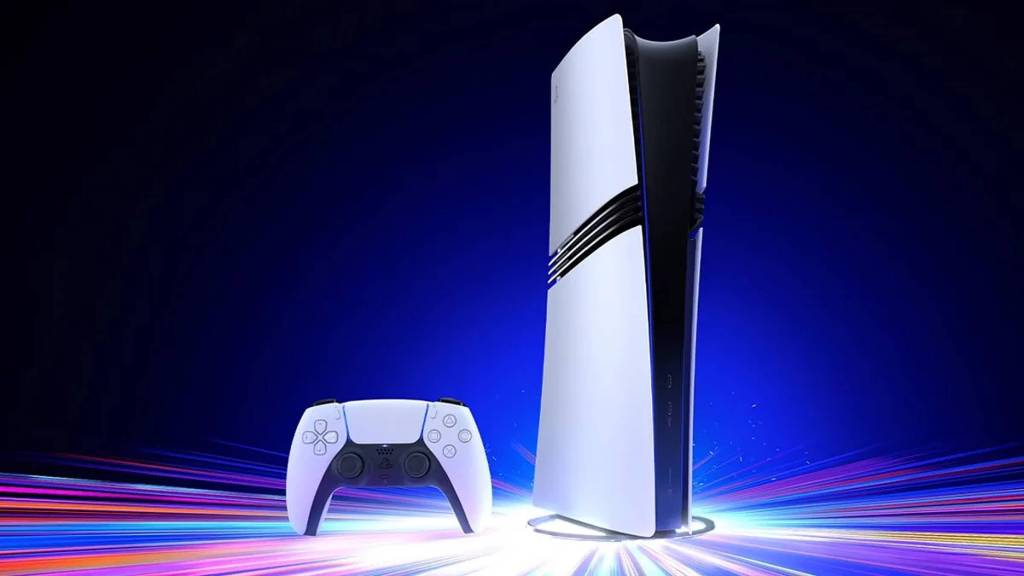
While there hasn’t been any official confirmation of what the PlayStation 6 will look like or how it will operate, comments from Sony suggest that the next Sony console is embracing the approach that Nintendo took with its most recent consoles. During a Q&A with Sony Interactive Entertainment President and CEO Hideaki Nishino, the executive was questioned about how the PlayStation brand intends to win back players for its next console release after so many moved to rival consoles like the Nintendo Switch or different platforms like the PC.
Videos by ComicBook.com
While Nishino noted how Sony has been increasingly releasing peripherals designed to expand the PlayStation experience around the entire living room with speakers and monitors, Nishino hinted that the company’s next console, “Rather than simply serving as an alternative to PCs, we aim to deliver value that is unique to PlayStation. This includes not only technological advancements but also an expansion of usage styles, enabling a seamless experience that can be enjoyed naturally beyond the living room.” These comments have some wondering if Sony’s next platform is going to try to have the same kind of inherent flexibility as the Nintendo Switch — which might be crucial to the PlayStation’s future success.
Xbox, PlayStation, And Steam Have Been Chasing The Switch For Almost A Decade
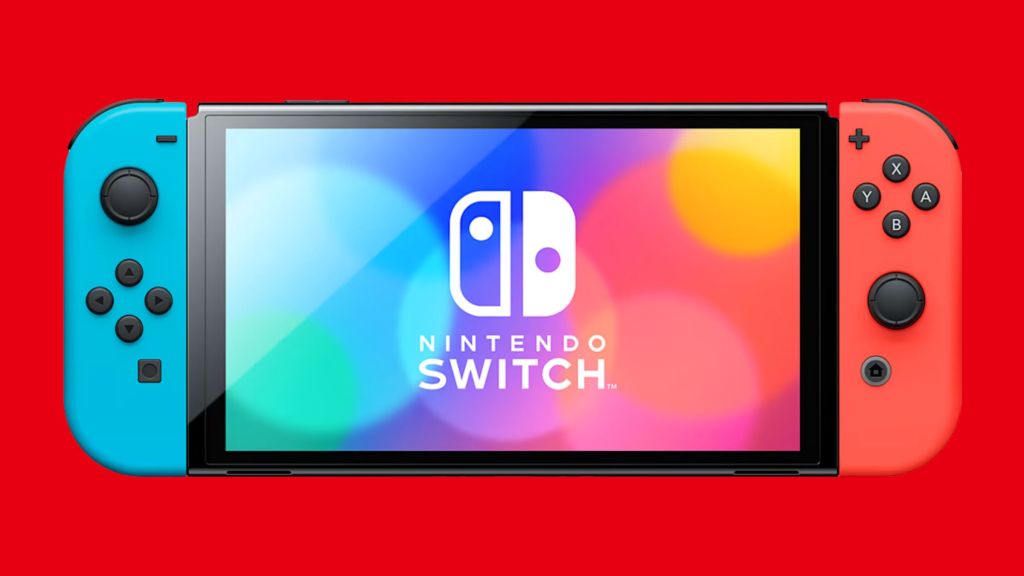
The PS5 already technically has a mobile platform in the form of the PlayStation Portal, although that add-on is just a way to mirror an active PS5 it’s connected to instead of having its own console capabilities. It’s not just Sony that has tried to replicate the success of the Nintendo Switch’s dual capabilities as a home console and as a mobile platform. The Steam Deck and the ASUS ROG Xbox Ally also provide players the ability to take the console experience into the palm of their hands.
However, the Switch’s easy ability to hop between console setups and handheld play makes it still feel unique within the gaming space. The PlayStation 6 may be designed in part to contend with that capability, given the quotes from Nishino. Having a “seamless experience that can be enjoyed naturally beyond the living room” suggests something similar to what the Switch has, where it’s incredibly easy to plug the console into the TV and just as simple to pull it out and take it on the go. The PS6 could go for something similar, creating a base console or platform but allowing players to more freely move around with the mobile add-on.
It could also be an upgraded version of the PlayStation Portal that has the ability to do more than just mirror games from an active console. The strong sales of the Portal would lend credence to that idea, and the enduring success of the Switch — which still outsells some modern platforms — makes it an easy console to point towards as one to try and replicate. An upgraded version of the PlayStation Portal could also further utilize gaming through the cloud, which Nishino argued could be one way to combat the lack of RAM needed for larger consoles. That could see the expansion of Sony’s PlayStation Plus program, potentially opening up a more mobile PS6 platform to a large digital library of games.
Could The PS6 Build On What The Switch Established?
The thing that makes the Switch so useful as a mobile platform is that, once games are formally downloaded onto the platform, they don’t need to be connected to the internet. Although the Switch retains internet capability while on the go, cartridges and downloaded titles offer players the ability to really take the console with them wherever they go — regardless of whether or not they have a Wi-Fi connection. Multiplayer games likewise can work this way, making the Switch an ideal platform for groups of people to bring on vacations or to events.
These aspects, coupled with a strong first-party library and a deep bench of indie titles, helped make the Switch the success it is today. If the PS6 is indeed taking cues from Nintendo, those are important aspects of the Switch for the company to keep in mind as they develop the platform. If the PlayStation 6 just wants to include a Portal feature to give players a bit more flexibility with the experience, that’s not a bad idea. The success of the Portal proves that there is an appetite for that in the marketplace.
However, if the PS6 really wants to be able to escape the confines of the living room and become an all-inclusive experience, it needs to be able to engage players on the go. The problem is that, given the rising prices in the tech industry, producing a console that will likely result in a price tag that exceeds $1000. Still, there’s time for Sony to crack the code with the PS6.
The PS5 is still going strong — but Sony is eventually going to have to release the next generation of the brand. With Valve and Microsoft trying to find ways to dominate both the home and mobile markets that Nintendo has already placed a claim on, Sony is facing stiff competition. When they do finally move forward with the PS6, finding the balance between gaming on the go and the home experience may be crucial to them winning the next generation of consoles.
More Gaming
-

Courtesy of Unknown Worlds -

Final Fantasy VII Console Heroes Diorama -

Image courtesy of Square Enix