The gaming industry is constantly moving and evolving, but it’s also got a deep history that can be very important to reflect on amid unexpected business moves and changes. Take, for example, the struggles facing the Xbox brand. The console line has been a major force in 21st-century gaming, but it’s been struggling in recent years compared to the competition.
Videos by ComicBook.com
Increasingly, Xbox’s biggest releases have been finding their greatest successes on other consoles, like the PS5. They’re far from the first major publisher to end up in that kind of situation, however. In fact, 24 years ago today, Sega made one of their biggest moves towards leaving the console race — by doing exactly what Xbox is and bringing their biggest franchises to their former rivals.
How Sonic Came To Nintendo

Debuting on February 3, 2002, in North America after launching the previous year in Japan, Sonic Advance is one of the first examples of the Sega mascot making his way to a Nintendo platform — and could serve as a good blueprint for future companies making similar moves. In the latter half of the 1990s, Sega’s struggles with the Dreamcast console saw the publisher shifting more into third-party game development. Their initial focus on the console market was the PlayStation 2, but the launch of the highly successful Game Boy Advance captured the company’s attention. Tied to the 10th anniversary of the Sonic franchise, a new entry in the series was designed for the GBA. The game was developed largely by Dimps through a collaboration with Sonic Team.
Sonic Advance was a great entry in the series, with throwback game design to the earlier Genesis Sonic titles while retaining more modern character designs and gameplay elements from the Sonic Adventure games. Well-received by critics and quickly becoming a bestseller, Sonic Advance was a major moment for both Nintendo and Sega. Dimps became a consistent partner with Sega, working on several titles like Sonic Rush, Sonic the Hedgehog 4, and the handheld versions of Sonic Generations.
Meanwhile, the success of bringing Sonic to Nintendo set the stage for Sega to increasingly collaborate with its former rival. Later that year, Sonic Adventure 2 was ported from the Dreamcast to the GameCube, firmly establishing Sonic’s place in Nintendo’s future. It also opened the door for more collaborations, including F-Zero GX and later crossover titles like Mario & Sonic at the Olympic Games. Whereas Sonic’s presence in Super Smash Bros. Melee was unthinkable, Super Smash Bros. Brawl was able to incorporate Sonic comfortably among the rest of Nintendo’s marquee characters just a few years later. All this underscores how quickly Sega was able to transition into game development over console launches.
What Xbox Can Learn From Sega
In modern gaming, the console wars have largely cooled down. Whereas previous generations of gamers grew up firmly drawing lines in the sand over which consoles they would support, modern games have been increasingly comfortable with cross-platform releases and less aggressive marketing. Part of that evolution stems from the ways companies like Nintendo, Sony, and Valve have solidified their unique places in the gaming ecosystem, more publicly content to be friendly competitors instead of direct rivals. However, amidst that growth, there have been plenty of struggles, especially for Xbox.
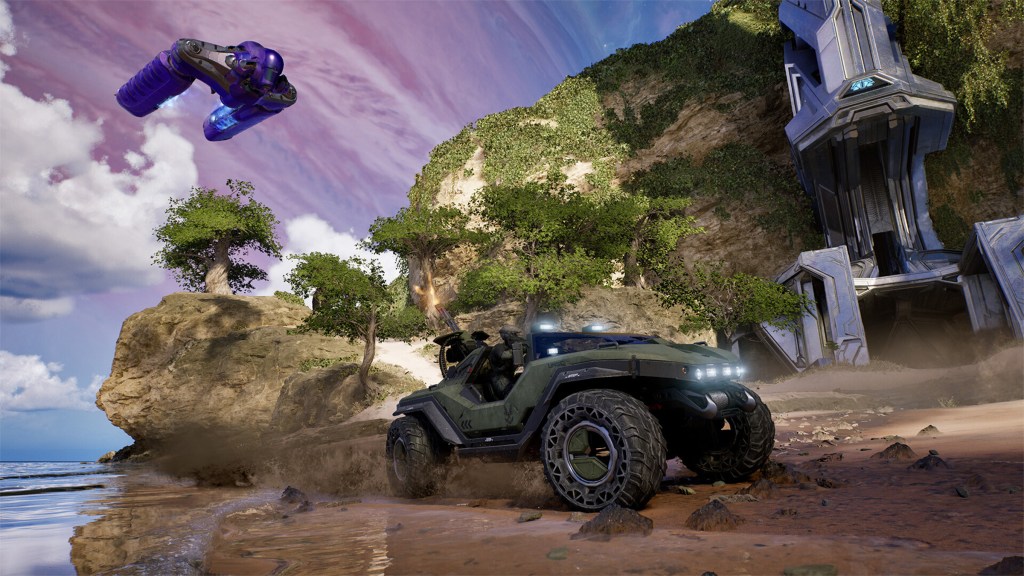
Effectively replacing Sega in the console wars at the turn of the century, the Xbox brand has been suffering from low sales in recent years — to the point where Xbox Game Studios has increasingly been bringing established IP like Halo and Gears of War to the PlayStation 5. Even potentially exclusive killer apps like the new Fable are set to debut on both PlayStation and Xbox. Increasingly, there seems to be a parallel in Xbox Game Studios’ evolution with that of Sega, which went from a major player in the console market to more of a larger game publisher. Microsoft may even be following the same playbook as Sega, continuing to support its own consoles while steadily making inroads on other consoles ahead of a larger shift into dedicated development.
If they truly do intend to follow in Sega’s footsteps, then Sonic Advance is a great example of what they need to be doing. That game blended the classic touches that excited nostalgic fans, all while retaining the clever mechanics and visual tweaks of their modern releases. They simplified the games to a certain extent in terms of lore, retaining the iconic elements and fresh touches while dropping much of the more complicated backstory that their mainline series had developed. More than anything, Sega found a second home for Sonic on Nintendo.
While Sonic games have been successful across several platforms, the Blue Blur feels particularly well-suited to being Mario’s peer instead of just his rival. If Xbox could follow a similar trajectory, it could ensure characters like Master Chief and Marcus Fenix feel at home on a new console, instead of standing out as relics of an older era. Given the revelations from the Xbox Developer Direct that more of Xbox’s biggest unique titles are going to be cross-platform, it seems more and more like the company is steadily becoming more of a developer than a hardware producer. If that’s the case, they could learn a lot from Sega’s example on how to transition from the console wars into more focused game development.
Most Viewed
-

Image Courtesy of Madhouse -

Image courtesy of XLGames