The horror genre has benefited greatly from the modern era of game design. Realistic graphics can create nightmarish worlds, while gameplay innovations have found clever ways to drag the player kicking and screaming into the horror experience. Long-running franchises like Resident Evil have found success in experimentation, while other titles like Five Nights at Freddy’s have played with the gameplay conventions to deliver terrifying experiences.
Videos by ComicBook.com
Throughout it all, however, there’s one series that stands out as the best modern example of the genre. Debuting just before the turn of the century, Silent Hill stands out from the rest of the genre as a game that’s more focused on telling a haunting, emotional story over just scaring the audience with monsters and zombies. The result is a series that has elevated the entire medium in terms of narrative storytelling, and has cemented itself as the best horror franchise in modern gaming.
Silent Hill Used Technical Limitations As A Worldbuilding Tool
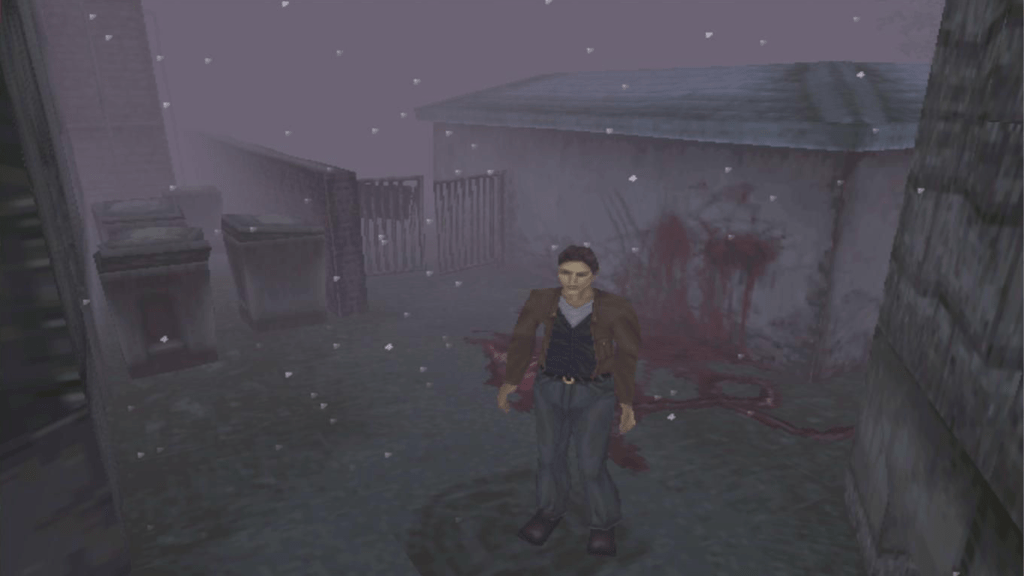
Silent Hill launched on February 23, 1999, using limitations of the era to create a sense of atmosphere that has defined decades of great games. Created by Team Silent under the Konami umbrella, the developers behind the initial entry in the series decided the best way to unnerve an audience was not just jump scare them, but to catch them with emotional blows alongside the terrifying turns of the narrative. Taking inspiration from psychological horror, real life phenomona, and the works of David Lynch, director Keiichiro Toyama was always looking to make something that didn’t quite feel real. Their focus was on making a fulfilling experience rather than a best seller.
It was a risky move, but one that is rooted in artistic intention, with the character depth and thematic weight of the game intended to impact players on multiple levels. With Konami’s expectations and budget initially low, the team had greater freedom to craft something truly unique. The first Silent Hill also takes inspiration from the works of Stephen King and its portrayal of Americana, albeit from a deeply foreign perspective. This added a layer of natural disconnect in the worldbuilding, which improved the experience and made the game even creepier.
Even minor technical elements became central to the way the developers designed the world, with the decision to hide loading screens and settings behind the ever-present fog surrounding the town helping naturally create a sense of isolation. Sound director Akira Yamaoka brought a unique touch to the music of the game, adding further uneasy tones for players. Silent Hill was a risky endeavor, a different kind of horror game than the more action-packed titles like Resident Evil that dominated the genre at that time. Konami was initially unenthusiastic about the project, but the game’s strong critical reception and solid sales helped make it a going concern for the game publisher.
Why Silent Hill Has Endured
The first Silent Hill is relatively self-contained and is largely disconnected from the larger series — outside of Silent Hill 3, which is eventually revealed to be a legacy sequel to the first game in a clever reveal. The game’s core was solidified in the process, however, with a focus on emotional storytelling and creepy atmosphere that became the central connective tissue of the franchise. Silent Hill 2 focused on an entirely new cast with completely disconnected motivations from the first game, carrying on the central approach across each subsequent entry in the series to varying degrees of success. Along the way, it’s become one of gaming’s most effective and unsettling franchises.
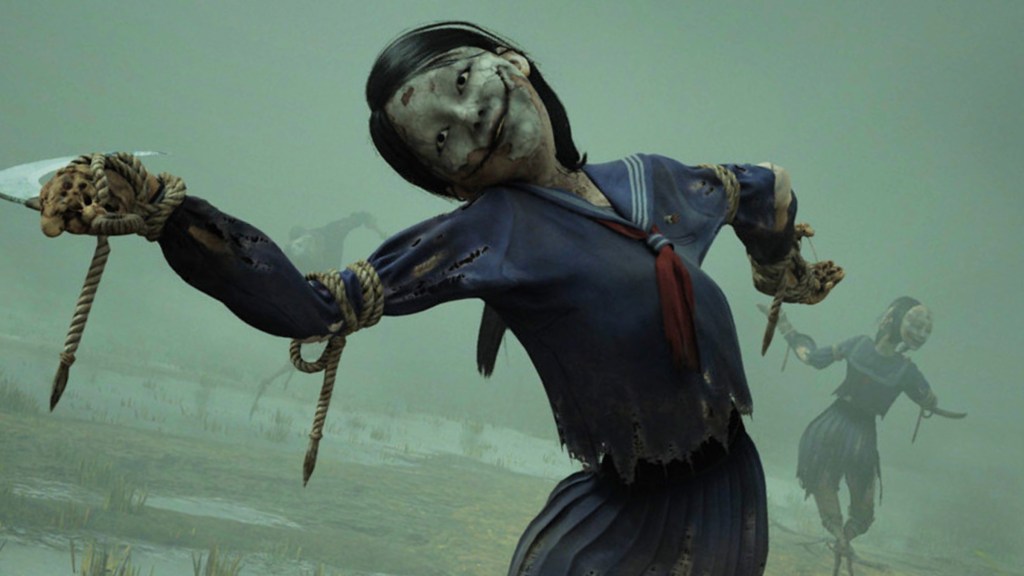
Each game reflects a different thematic fear, from the intermix of grief and guilt in Silent Hill 2 to the ever-present isolation of Silent Hill: The Room. Silent Hill f proved that the concept can shift setting and culture to still use the iconic visual elements and creepy atmosphere to tell stories specific to different customs and eras. The thing that really makes Silent Hill special in gaming is the way it appeals to the naturally broad audience who loves horror, but also functions as one of the most artistically minded titles in mainstream gaming.
There’s a real sense of thematic weight to these games that is missing from all other major examples of the genre, a willingness to confront heavy topics that most game developers would shy away from. The monster design is frightening, but it also finds a way to be thematically fitting. The characters are painfully human, flawed, and challenged in ways that most gaming protagonists never are. It’s deep and thoughtful, all while being well-designed horror-survival games on their own terms. For over a quarter of a century, Silent Hill has been one of the best examples of games as artistic expression, on top of being genuinelly frightening and quietly engrossing on a game level — and the success of recent titles means that compelling storytelling is set to continue for the foreseeable future.
More Gaming
-
Image Courtesy of AdHoc Studio -

Courtesy of IllFonic