
Deck building games are already off to a fantastic start in 2026, with Slay the Spire 2 already breaking Steam records and crashing the platform due to its sheer number of players. However, Slay the Spire‘s sequel isn’t the only deck builder making waves, as one indie project is already accomplishing impressive feats with limited content. Even though it remains in a demo stage as of this time of writing, this game is an addictive experience you won’t want to miss.
Videos by ComicBook.com
In an era where deck builders are gaining sequels of all kinds, it’s easy for smaller developments to go underneath your radar. Many successful deck builders from the past few years are paired with different genres, such as Marvel’s Midnight Sons‘ marriage with XCOM-like tactical gameplay, or Slay the Spire‘s classic roguelike approach. However, it’s rare to see a pure deck builder with no extra genre extensions, making 2026’s latest indie project even more interesting.
Bloodletter Has A Free Deck Building Demo Where You Cure Villagers Of Their Afflictions
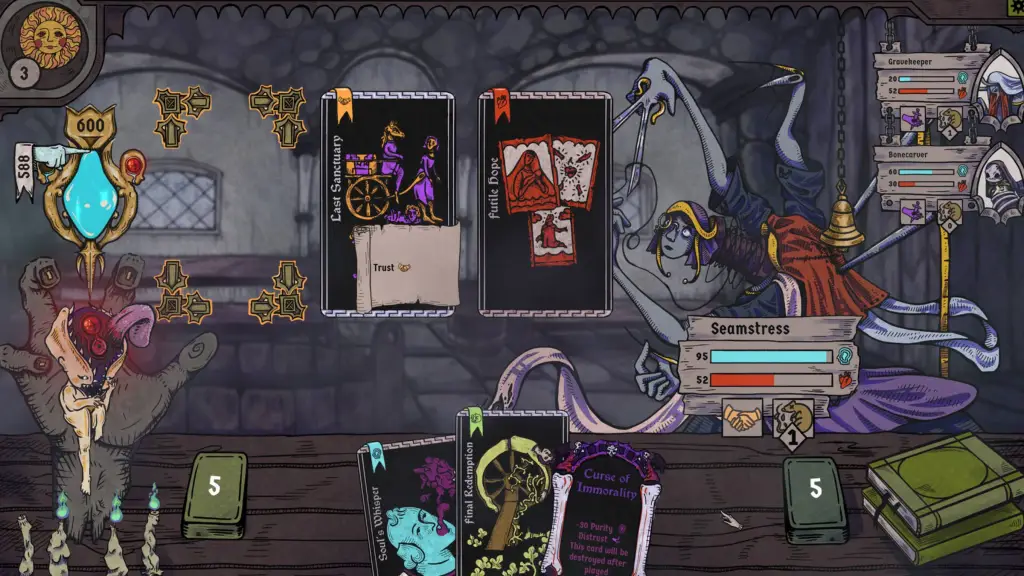
Bloodletter is a deck builder with a fascinating medieval theme, taking inspiration from gothic paintings and historical manuscripts similar to Pentiment or Blasphemous in its execution. The aesthetic of this game is brought to life in a unique and beautiful artstyle filled with detail, from every card to the backgrounds and effects present in the game. In this title, your “deck” is a set of remedial remedies for sick villagers, to help fulfill your role as a small town doctor.
As a plague doctor from medieval times, your healing methods are somewhat questionable, so it’s up to putting the best combination of cards together to come up with the best possible cures. As afflictions ramp up from simple illnesses to supernatural possessions, your methods will have to adapt to the changing problems your village faces. The demo of Bloodletter has you go up against demonic “bosses,” who represent specific types of malevolent entities who poison your villagers in different ways.

The strategy of this deck builder is constantly challenging you, with twists and turns crafting alternate routes at every step. Even after plenty of hours, your barber-surgeon could encounter something totally new, forcing you to change your tactics even as you use reliable cards that have worked up until that point. As games like Slay the Spire 2 lay claim to replayability, Bloodletter does the same through several mechanics that deepen its core gameplay to absurd degrees.
Card Variations & Unique Combinations Help This Game Stand Out From Others
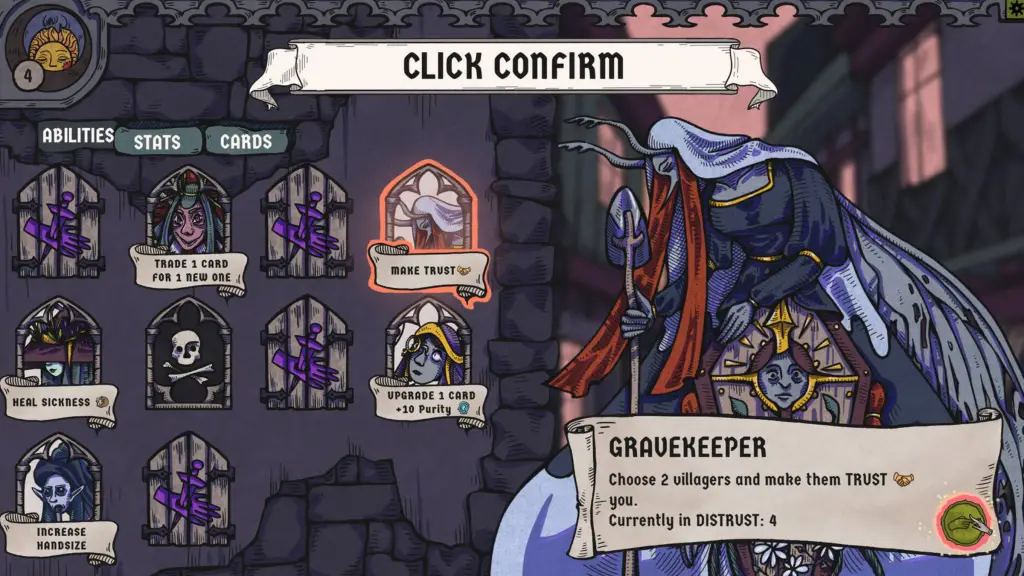
Although only existing as a limited demo, Bloodletter has over 80 unique cards that each create custom incantation animations for players to discover. On top of this, multiple illustrations and titles give these cards even greater personality, with favorites easily forming from their presentation. Multiple villagers in the game keep things fresh too, with each having their own animations, talents, and other qualities that will keep you coming back for new endeavors.
Right now, there are four different evil entities you can face, with each having a detailed set of stats and win conditions tied to each. The same deck that defeated one entity may struggle against another, demanding you find new strategies at various points in Bloodletter. Blessing and Curse cards also change the game, changing the conditions around you to alter every aspect of the game instantly. Recovering or using these cards to your advantage can be the key between defeat and success.
Other Features Elevate Bloodletter To Possibly Become The Next Balatro In 2026
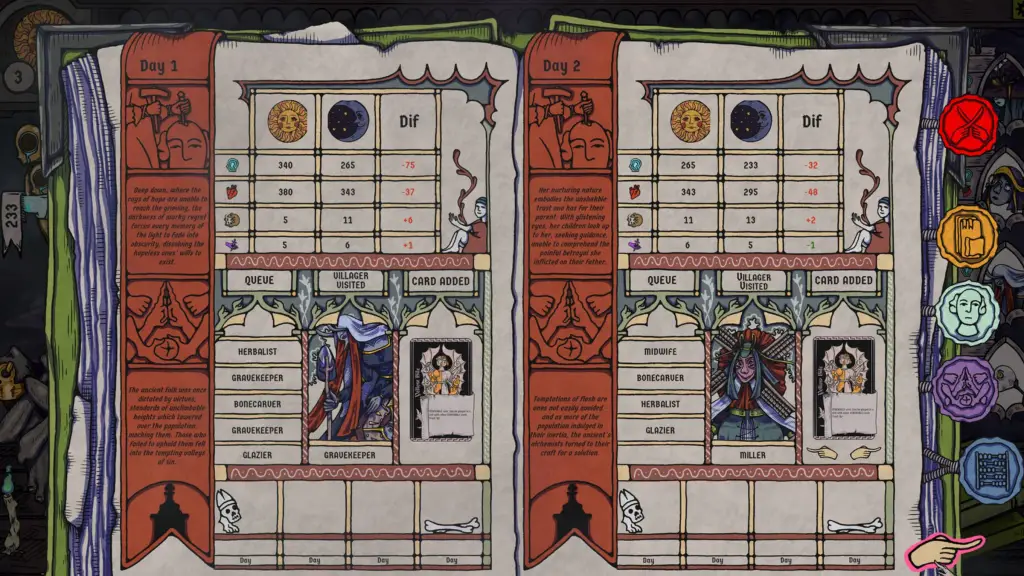
Part of Bloodletter‘s gameplay is using your cards to manage a villager’s physical and mental health at the same time, juggling multiple aspects of their character to keep them alive. Almost like a good CRPG adventure, the devil is in the details, with clues and patterns revealing themselves as you learn more about a villager’s situation. Carefully forming a strategy as you discover the weaknesses of a certain entity can lead to satisfying moments of cunning success.
Other nuances of Bloodletter’s gameplay supports it further, separating it from other deck builders through its complexity. For example, villagers grant special bonuses to you if they trust you, or if their Health reaches 100% during their treatment. On the other hand, leaving villagers sick or killing them might add negative cards into your deck, poisoning it and making it harder to form strategies with your preferred combinations. Battling against the entities that come out a night is a constant back-and-forth that can lead to intense, multi-day stalemates.
Cards can be buffed for special modifiers too, but sometimes sacrifices have to be made to ensure the survival of the larger village. The intuitive nature of Bloodletter makes every run feel like an adventure, with dynamic events and gameplay systems constantly working alongside memorable art to create a perfect experience for deck building fans.
Will you be trying Bloodletter as its demo continues in 2026? Leave a comment below or join the conversation in the ComicBook Forum!
