2025 seemed like it was going to be the year of Obsidian RPGs, a new golden age for the studio as it released not one, not two, but three games within an incredibly short timeframe. Avowed would be the successor to Skyrim we’ve all been craving, The Outer Worlds 2 would be a strong follow-up to a somewhat middling successor to Fallout, and Grounded 2 would fill in that A Bug’s Life-sized hole in our hearts. Unfortunately, save for the latter, it didn’t quite work out as expected, and 2025 ended up being a potentially bad year for Obsidian.
Videos by ComicBook.com
Avowed’s mediocrity made it one of the most overhyped games of 2025 and a title many recommend you avoid. Most importantly, however, The Outer Worlds 2 was released to a positive reception, but seemingly failed to strike a chord with both fans and newcomers alike. In fact, it failed so spectacularly that Obsidian has shelved the series for the time being, all but killing the RPG long before it had a chance to truly shine. While many may lament the loss of yet another budding series, the death of The Outer Worlds may actually benefit RPGs, as it illustrates exactly why you can’t settle for mediocrity.
It Looks Like The End For The Outer Worlds
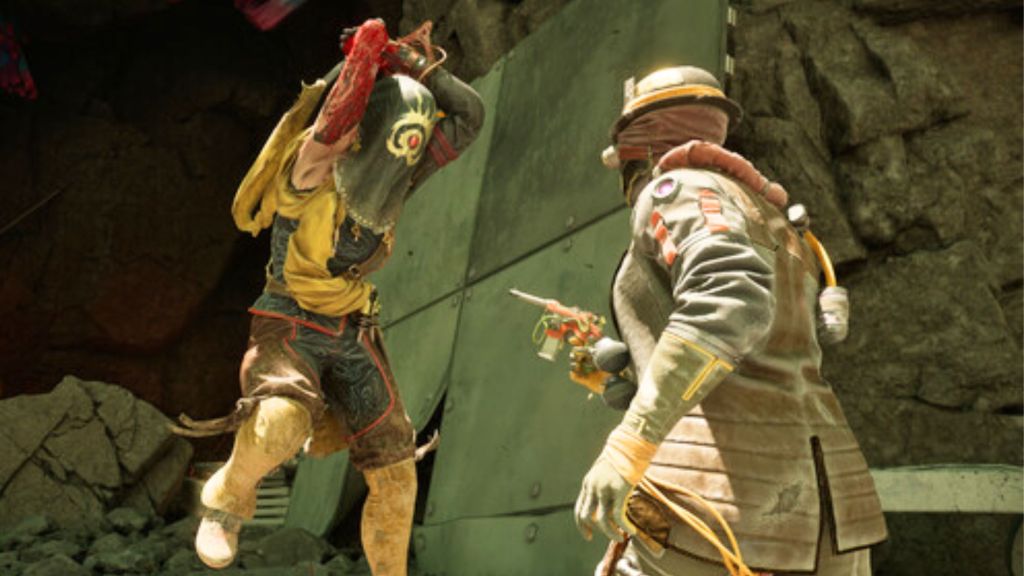
In an interview with Bloomberg, Obsidian Entertainment’s studio head, Feargus Urquhart, confirmed that The Outer Worlds has been cancelled, at least for the time being. The move comes as part of a larger restructuring of how Obsidian operates, with the studio hoping to produce more games, faster, and, importantly, cheaper. That’s not to say at a lesser quality, but rather on a smaller scale to ensure they’re not betting big on franchises like Avowed and The Outer Worlds succeeding, especially as, by Urquhart’s own admission, two of the three games Obsidian released in 2025 were commercial failures.
I don’t want to celebrate the loss of The Outer Worlds, especially when everyone at Obsidian Entertainment worked tirelessly to bring it to life and were clearly passionate about its world and characters. The first game was a lot of fun, a somewhat limited showcase of Obsidian’s immense talents, and an indication of what it is capable of were it just given the right budget and time. The sequel should have delivered on the highs that the first game promised, and, in many ways, it did. It is a bigger game by a significant margin, but it isn’t necessarily a bolder one, and perhaps that’s the issue.

Many have accused The Outer Worlds 2 of being merely okay, a perhaps above-average experience that rides on the successes of its predecessor without really addressing its biggest flaws. It’s a big-budget experience that never really feels as if it uses said budget to step outside of its comfort zone, to experiment beyond the expected. It is hard to believe that The Outer Worlds 2 almost cost $80, but it isn’t difficult to understand why Microsoft changed its mind. There’s a lot to admire about The Outer Worlds and its sequel, but it also isn’t particularly hard to see why it failed, especially in an era where the likes of Baldur’s Gate 3 and Clair Obscur: Expedition 33 seem to dominate.
Obsidian Cancelling The Outer Worlds Is Great
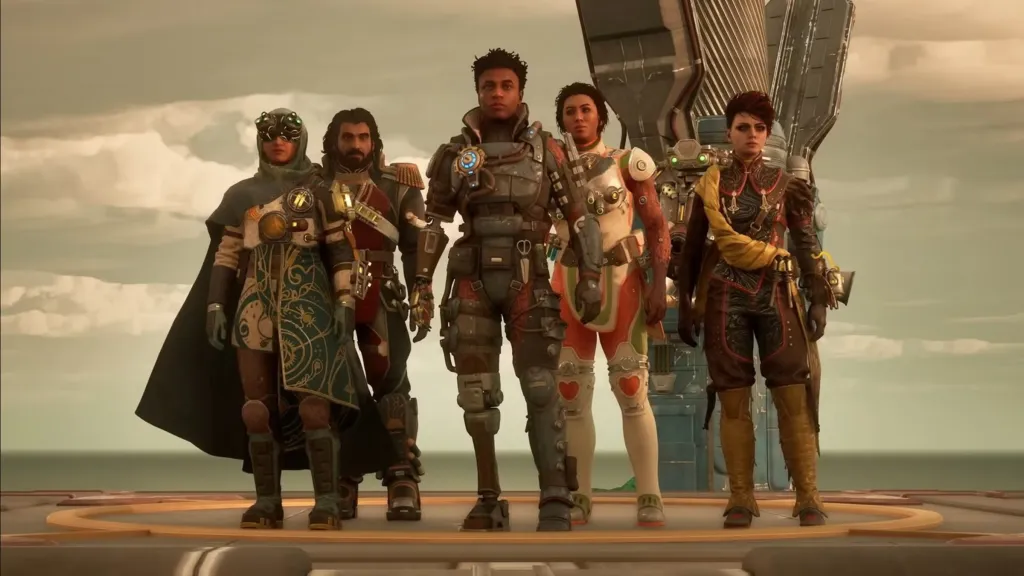
The Outer Worlds 2’s divisive mediocrity is symptomatic of an industry-wide issue. This isn’t the first time a AAA game has launched to a somewhat lukewarm reception, nor is it the first time a new entry in a popular series has failed to move the needle in any significant way. PlayStation titles have been accused of being little more than DLC (which is absurd, but easy to understand where the sentiment comes from); Ubisoft has been peddling the same quality of content for a considerable amount of time now to diminishing returns, and the RPG genre as a whole hasn’t really been a mixed bag for decades.
However, The Outer Worlds 2 is evidence of the growing problem with ballooning budgets and extended development time. It is one of the many unfortunate showcases of how it simply isn’t sustainable to deliver an iterative or merely “good” game anymore. Games cost too much and take too long to make, so the expectation is that, when they release, they’ll be truly incredible. When they fail to reach such lofty heights, ones made all the more impossible to reach thanks to games from smaller studios like Baldur’s Gate 3 and Clair Obscur: Expedition 33 succeeding, they end up as commercial failures and leave little to no lasting impact.
The death of The Outer Worlds is part of a continued realization from the gaming industry at large that the current approach to game development is unsustainable, and something needs to change. It is the same realization the film industry has been undergoing for a few years now, and, much like the film industry, which has seen the rise in popularity of more indie-focused studios and distributors such as A24, blockbuster titles are being ousted by smaller, varied, and experimental experiences. All of this is to say that The Outer Worlds being cancelled is, hopefully, an indication of a much-needed shift in the industry toward better-quality, more varied, and daring video games.
We Need Better Quality RPGs
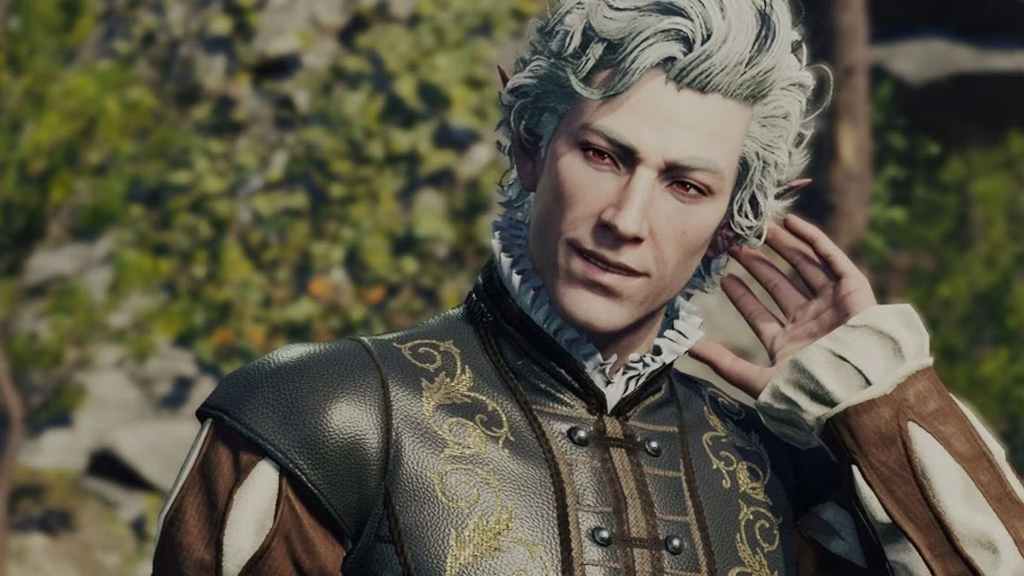
I think the RPG genre in particular, as broad and varied as it is, is in dire need of higher-quality experiences. If you want to focus on narrative-adventure titles, then PlayStation has you pretty well covered with the likes of Uncharted, God of War, and Ghost of Tsushima. If you want roguelikes, MetroidVanias, puzzle games, horror titles, and first-person shooters, then you’re in luck, as while each of those genres has its duds, they’re packed with truly exceptional experiences. I’m not really sure the same can be said of the RPG.
While we occasionally get groundbreakingly good RPGs like Kingdom Come: Deliverance 2 and Baldur’s Gate 3, for the most part, the genre is marred by lacklustre experiences appropriating the genre so they can generate more hype with buzzwords and half-baked systems. I’m not exactly expecting the genre to be made up of exclusively good experiences, but it is a little telling that the games the majority of people reflect on when asked for good RPG recommendations are from well over a decade ago. The Witcher 3, early Dragon Age and Mass Effect, Skyrim, and older CRPGs like the Divinity series simply cannot represent a genre that still has a lot to offer.
I think the level of quality present in RPGs is gradually shifting, however, with a greater focus on the all-important roleplaying becoming a key part of the experience, rather than slapping together a bunch of stat-based systems and calling it a day. Ubisoft’s brand of RPG-lite is hopefully dying off, and titles like Avowed and The Outer Worlds slowly peetering out means there’s more room for the truly excellent to shine through.
In fact, ironically, should the bar for excellence increase and more great RPGs release, then there would be more room for above-average comfort food RPGs like Avowed, much like how Ubisoft’s open-world fluff provided familiarity in an era of revolution within the genre. Whatever happens with the genre, I sincerely hope that The Outer Worlds death doesn’t go to waste, that it has a transformative effect on both RPGs and Obsidian as a studio, and that it allows Obsidian to return to making the kind of genre-defining experiences it is known for.
Most Viewed
-
Lucasfilm Animation