Action RPGs have become one of the most prominent genres of gaming because they thrive on momentum. They often reward aggression, mastery, and constant forward motion. From the first click or button press, they teach you that progress comes from striking first and striking hard. Enemies exist to be defeated and loot to make you stronger. This gameplay loop has become incredibly exciting and reliable, causing others to fade into the background. After years of playing these games, I noticed one absence that I’d love to see change, even if I think it will never happen.
Videos by ComicBook.com
Most ARPGs put you in the role of a hero, placing a sword in your hand and enemies in your path. But what if instead of fighting enemies as the protagonist, you played as the supporting character instead? The healer and support roles are completely absent, as no ARPG truly lets you play this dedicated role. Even when healing exists, it is secondary, self-focused, or attached to damage. When a game does allow support, it almost always gives you a party that you control directly. It makes sense why this role is missing, but it also feels like a fascinating opportunity the genre keeps ignoring.
Healers Deserve To Be Heroes Too
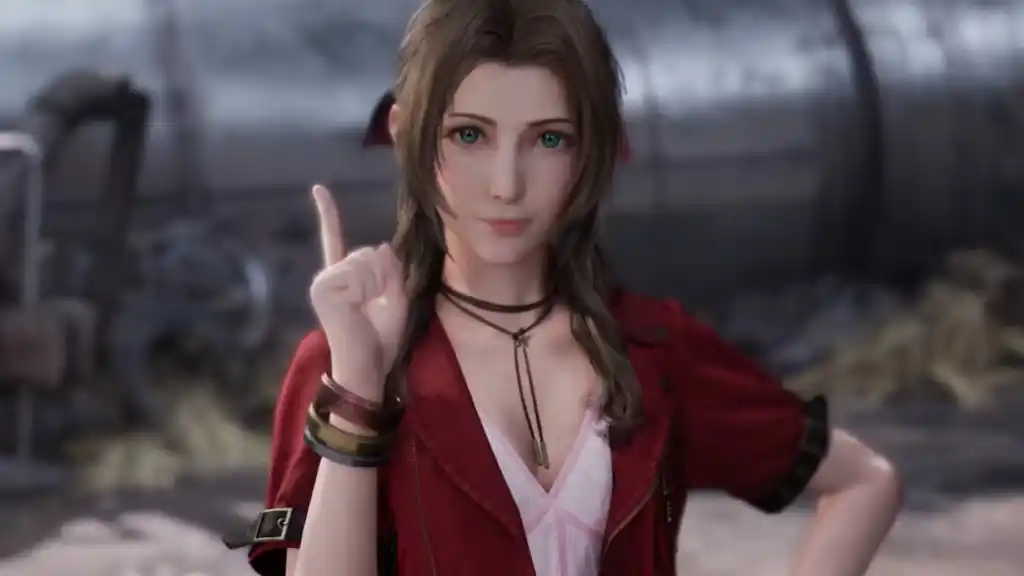
In traditional RPGs, healers are essential. While they often serve as the backbone of the party, such as Aerith from Final Fantasy VII, they also play one of the most important roles. While the attention is often given to those characters that deal damage, these roles wouldn’t survive without the healing and support that keep them in the fight, especially against bosses with huge life pools. Yet despite this importance in turn-based and other RPGs, healers are seldom allowed to be the hero in an action-focused RPG.
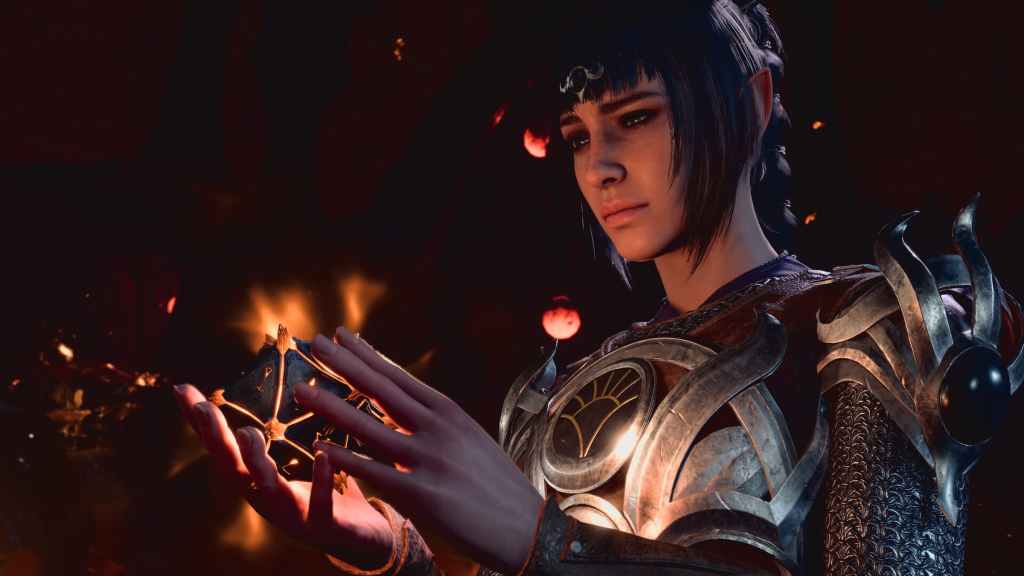
Healers may not land the killing blow, but deciding who survives is just as important. These characters and classes require timing and prioritization rather than raw damage output, creating a different kind of tension. In games like Baldur’s Gate 3, this role can be incredibly empowering. Clerics provide so much versatility and aid that I couldn’t imagine playing the game without one. The same goes for traditional urn-based RPGs, where I always ensure I have a dedicated healing character that can buff the party when not having to restore health.
Yet ARPGs almost completely reject it. The genre is built around a single character mowing through enemies in real time. A healer who does not deal damage would feel passive by comparison. Without a party to support, the role collapses. This is why healing abilities in ARPGs are usually limited to self-sustain or emergency buttons rather than a full playstyle. Still, the fact that healers are excluded does not mean they are uninteresting. It means the genre has drawn a line and never questioned it. And while it may not be as flashy, healers deserve the spotlight too.
It’s Hard To Mix Action And Healing
The biggest obstacle to a healer-focused ARPG is mechanical. Action RPGs demand constant input. You are dodging, aiming, positioning, and reacting in real time. A traditional healer’s role involves observation, anticipation, and reaction rather than direct engagement. Translating that into an action-focused loop is incredibly difficult. If you are not actively attacking, what are you doing moment to moment? Watching health bars drop. Waiting for cooldowns. Positioning safely.
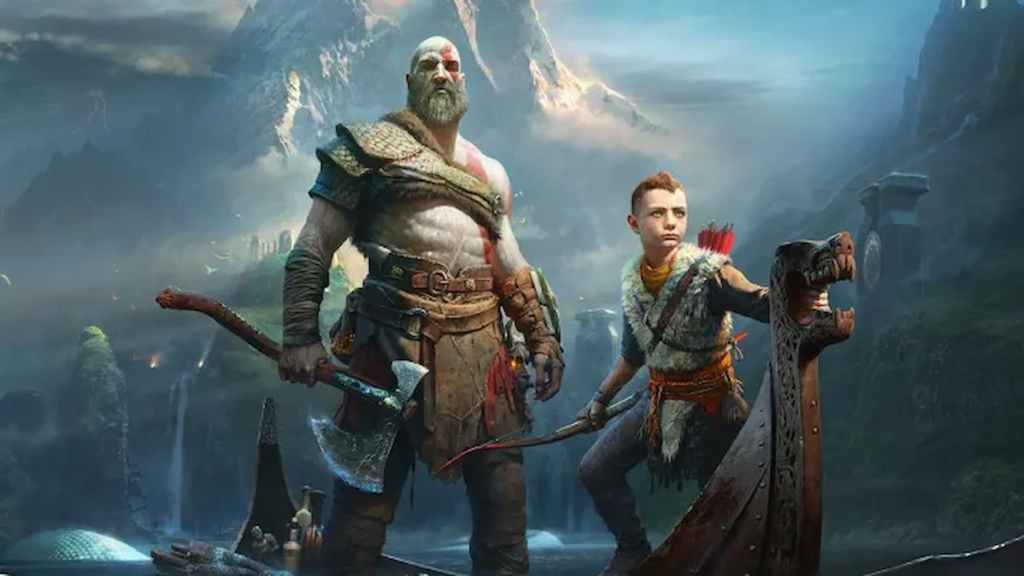
In a genre defined by immediacy, that can feel like downtime. Designers avoid this because boredom is poison to action games. This is why any ARPG that flirts with support mechanics usually does so by bundling healing into offensive actions. Lifesteal. Area buffs and debuffs are attached to damage. Skills that heal allies but still require aggressive play. Or, healing and support abilities are tied to companions like Atreus in God of War, who act independently or are controlled by the player.
And honestly, this compromise makes sense. A fully dedicated healer in a solo ARPG would struggle to justify its existence. Without party AI or multiplayer coordination, the role becomes conceptual. You are either healing yourself, which removes tension, or healing others who are not autonomous enough to feel meaningful. It also becomes an autobattler where you are on the sidelines clicking buttons when needed, not because it’s the fun thing to do. It’s certainly a challenge, but one I think developers should go for.
Supports Are On The Sidelines For Now
But what if that limitation is also an opportunity? What if the problem is not that healers do not belong in ARPGs, but that ARPGs have not evolved to make space for them? With the cozy genre exploding in popularity, especially in the lead-up to Haunted Chocolatier, this seems like an experiment perfect for this genre. A low-stakes fantasy ARPG is one way that developers can create this experience.
I envision a completely different kind of action RPG, one where you play as the healer, not the hero swinging the sword. Your party fights autonomously, influenced by positioning and morale rather than direct control. Your role is to move through the battlefield, apply buffs, cleanse debuffs, and heal allies in real time. Combat is still active, but the focus shifts to supporting your allies as they fight.
This could become a new type of cozy action game. Lower emphasis on reflexes in favor of care, rhythm, and triage decision making. Instead of dealing damage, you are maintaining your party’s health and preventing defeat. That fantasy is surprisingly comforting, especially for players burned out on constant aggression and those like me who love playing support roles.
Games like Baldur’s Gate 3 prove that players love support roles when systems give them a chance to shine. The difference is that those games slow time, pause combat, or rely on party management. An ARPG version would need to rethink pacing entirely. That is why no ARPG will ever let you do this in its current form. It would go against the genre’s expectations and potentially alienate players who want constant action. It would require new UI, new AI behaviors, and new definitions of success.
So it makes sense that no developer has tried it. It would be an incredible risk. Innovation and new concepts don’t always pay off. That said, the genre can only grow and evolve when the norm is challenged. The healer fantasy deserves better than being sidelined forever. It could thrive not as a traditional ARPG, but a hybrid space between action, strategy, and comfort, it could thrive.
What do you think? Leave a comment below and join the conversation now in the ComicBook Forum!
Most Viewed
-
Image Courtesy of TOHO -

Image Courtesy of Crunchyroll -

Image courtesy of Marvel Studios -

Image Courtesy of Marvel Comics