Horror games have come in all shapes and sizes over the years thanks to numerous developers, but few have reputations as strong as those of Capcom and Konami. They are best known for the Resident Evil and Silent Hill series, respectively. Konami’s Silent Hill was a psychological nightmare, while Capcom’s Resident Evil was peak survival horror. Fans of the genre loved the atmosphere, stories, and tension these games deliver, something that one of Capcom’s forgotten horror masterpieces executed perfectly. This PlayStation 2 exclusive title somehow got left out despite showing the brilliance of Capcom’s mastery over fear.
Videos by ComicBook.com
Haunting Ground truly terrified me with its haunting and deeply unsettling experience. This eerie gem was often seen as a spiritual successor to the acclaimed Clock Tower, and it remains one of the most underrated and stressful horror experiences on the PS2. Compared to Resident Evil’s grotesque monsters and claustrophobic tension, Haunting Ground reached into a more personal fear: the vulnerability of being hunted, unarmed, and alone. It showed Capcom could compete with Konami outside of Resident Evil
Haunting Ground: Helplessness as Horror
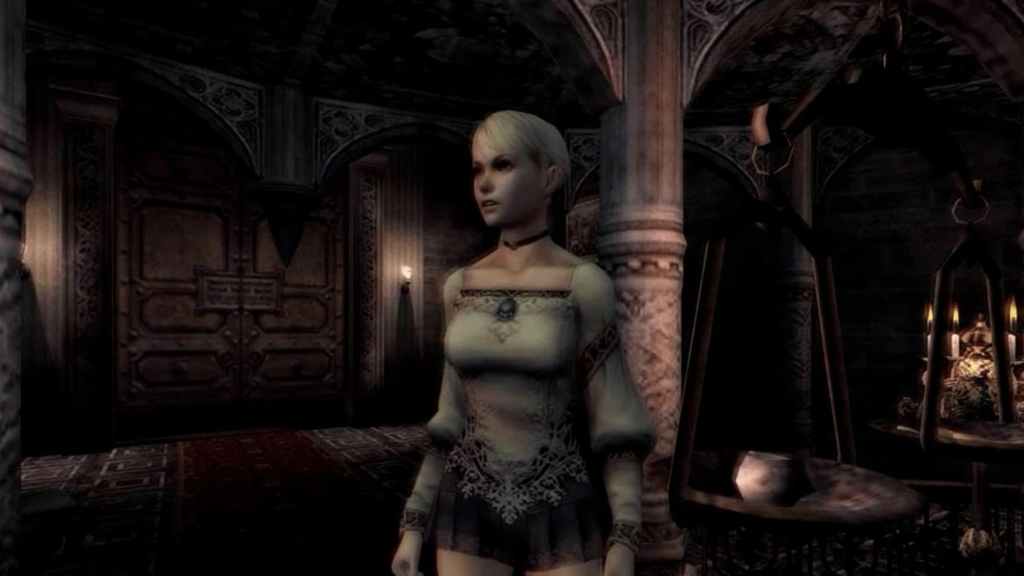
What set Haunting Ground apart was its choice to strip away power. The game immediately shows you how powerless you are, as Fiona Belli, the protagonist, is involved in a car accident and awakens in a mysterious castle. The young woman is disoriented and utterly defenseless. There are no weapons to defend yourself with, no herbs to recover health, and the only answers are the ones you find. Every encounter in the game is a game of wits and survival, with the only aid being your adorable canine companion, Hewie.
The sense of helplessness is further enforced by the game’s enemies. Each pursues Fiona in distinct ways and represents some twisted form of obsession. There is the hulking Debilitas, whose horrid fascination with Fiona who believes she is one of his dolls, the cruel maid Daniella who envies Fiona’s humanity and fertility, and, of course, the scientist Riccardo who has monstrous motivations. While each chase you, they feel distinct not because of attack patterns, but the psychological pressure they exert.
Capcom capitalized on these aspects by turning them into game mechanics. When Fiona panics or is overcome by fear, she begins to hyperventilate, stumble, and lose control, and all of this is reflected by the screen blurring and sounds becoming distorted. Panic is not just a feeling, but a mechanic, allowing you to feel the fear alongside the protagonist. Haunting Ground is built entirely on this concept, and it’s a shame Capcom didn’t explore this further.
The Horror & Beauty Beneath Haunting Ground’s Surface
On the surface, Haunting Ground looks to be your average survival horror game. But as you dive deeper into the game’s story, the unsettling terror begins to reveal itself. Fiona isn’t just a damsel in distress: her story is an allegory of autonomy, control, and objectification. She is constantly pursued and manipulated by nearly every character she meets. The reasons for this are at first beyond her and the player’s understanding, but as the truth came to light, I wondered if I was better off not knowing.
Each pursuer reveals a portion of this truth and how it is reflected in Fiona. Debilita’s childish affection twists into violent obsession, and he was probably the most terrifying part of the game for me. Daniella’s envy shows the societal expectations of perfection for women and how it turns her against Fiona. Riccardo’s experiments with life and death symbolize the exploitation of the body and soul. And finally, Lorenzo’s demented goals revealed the existential crisis of identity and fear of death.
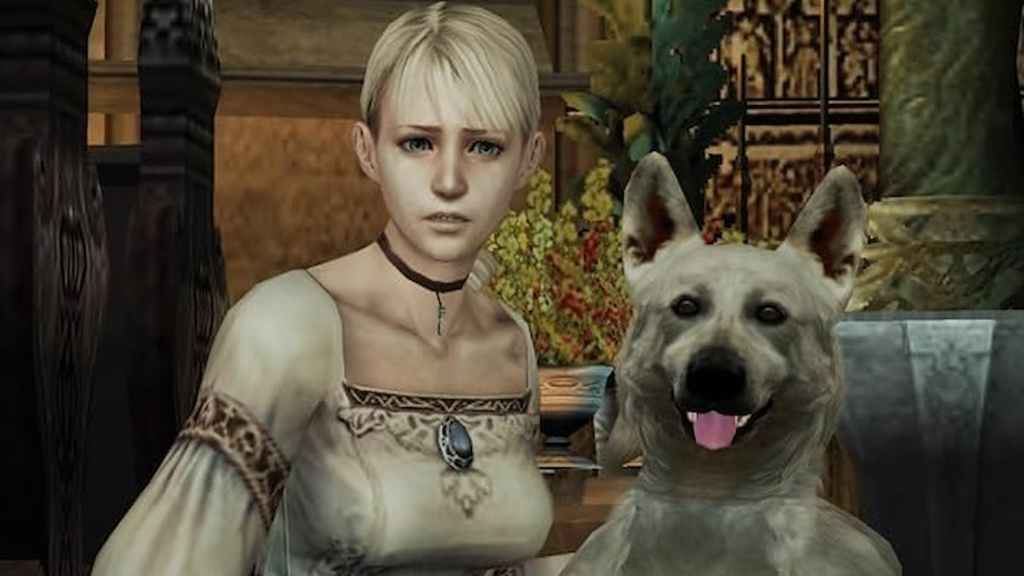
But for all its terror, there is beauty and hope at the heart of Haunting Ground. Hewie becomes an invaluable companion, and as Fiona descends further into this nightmare, she grows as a character. Courage, compassion, and connection become her weapons as her partnership and reliance on Hewie contrast sharply with the cruel intentions of her pursuers. The relationship between Fiona and Hewie is emotional and thematic, survival through trust, not domination.
The Forgotten Brilliance of Capcom’s Haunting Ground
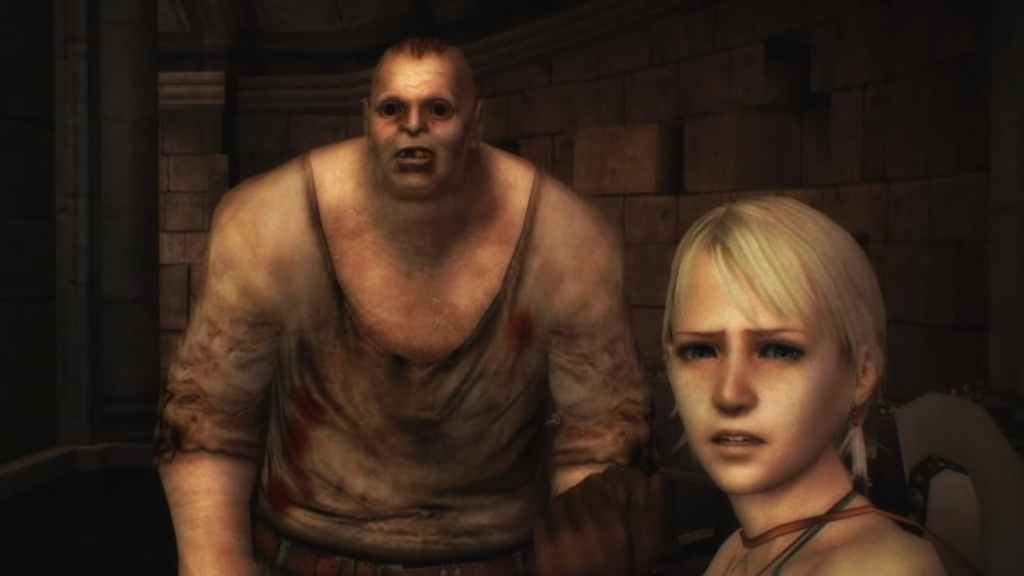
Looking back, Haunting Ground feels like a glimpse into an alternate path Capcom could have taken, and I wish it had. It proved the studio was capable of crafting psychological terror that could rival Konami’s Silent Hill. The narrative explored disturbing themes of control, identity, and trauma with a maturity missing from the Resident Evil series. It stood out to me amongst the RPGs and fighting games I played at the time, even as someone who didn’t play a lot of horror games.
Unfortunately, it was overshadowed by its already established peers. It was released in the same year as Resident Evil 4 and Silent Hill 4: The Room, and never stood a chance against these mainstream games. Even with its identity as a spiritual successor to Clocktower, it failed to get the footing it needed. Combined with its limited release and minimal marketing, it was relegated to a cult classic and forgotten by most.
While Haunting Ground remains in the past, its influence can be seen in games that came after it. Amnesia: The Dark Descent, Outlast, and even Remothered use its foundation to deliver new experiences. The defenseless protagonist, relying on stealth and hiding while managing psychological pressure, owes much to Capcom’s PS2 classic.
Upon release, Haunting Ground showed Capcom had the talent to compete with Konami’s flagship horror series, even if it has faded into obscurity now. It deserves more recognition, and fans call for a remaster nearly two decades later. Sadly, it seems unlikely that Capcom will invest the necessary resources and time into this concept, but it would be a wonderful surprise to be able to experience this dark and twisted game on modern platforms.
What do you think? Leave a comment below and join the conversation now in the ComicBook Forum!
Most Viewed
-

Image Courtesy of MAPPA -

Image Courtesy of DC Studios -
Image courtesy of Tor Books/Macmillan -

Image courtesy of Nintendo