This week, Xbox announced a monumental wave of layoffs across multiple studios, as part of a restructure effort that aims to downsize and reshape the gaming division of the company. An extensive email sent out by new Xbox CEO Asha Sharma went into detail about the motivations for these layoffs, including the philosophy going forward following this “reset.” However, despite the intended plans these cuts represent, their lasting impact will have far greater ramifications than the initial consequences talented creators are facing right now.
Videos by ComicBook.com
Asha Sharma’s email to Xbox team members was shared through an post on X, making the contents of the internal shifts public. The biggest news was the separation of Xbox from several of the studios it’s acquired over the years, including Double Fine and Ninja Theory, two development teams that have since gone independent. Other groups like Arkane Studios remain in the process of getting sold, putting their ongoing projects into question through possible studio closure or individual game cancellations.
Xbox Cuts Over 3,000 Jobs In A Company “Reset” That Impacts Several Major Gaming Studios
Throughout the 2027 fiscal year, Xbox plans to reduce their team by around 3,200 people, with 1,600 roles being eliminated on the same day Asha Sharma released her email. Microsoft has slowly been implementing numerous rounds of layoffs like these across all its divisions, including around 6,000 cuts in May 2026 and an additional 9,000 in July 2026, if you include these layoffs as part of the larger whole. In total, Microsoft has reduced its workforce by about 4%, which doesn’t seem like much at first, until you do the math and realize just how many people that impacts.
The reasoning for Xbox’s cuts come down to a number of causes, depending on which sources you believe more. From Asha Sharma’s words, these layoffs were meant to reverse an unhealthy business model, which relied too heavily on Xbox Game Pass, smaller studio acquisitions, and other obstacles created unnecessary layers of management that prevented accountability between various groups. Player base decline and overly complex operation models caused Xbox to compete with independent studios, creating fragmented teams who lacked the vision and resources to effectively communicate with one another.
According to other contents of the email, Xbox’s relationship with its internal studios are massively changing due to these problems, downsizing some while completely detaching from others. Based on reports and Asha Sharma’s statements, the studios impacted are:
- Arkane Studios (Dishonored, Marvel’s Blade) – In negotiations with French Work Council for sale or independence.
- Compulsion Games (South of Midnight) – Return to an independent studio.
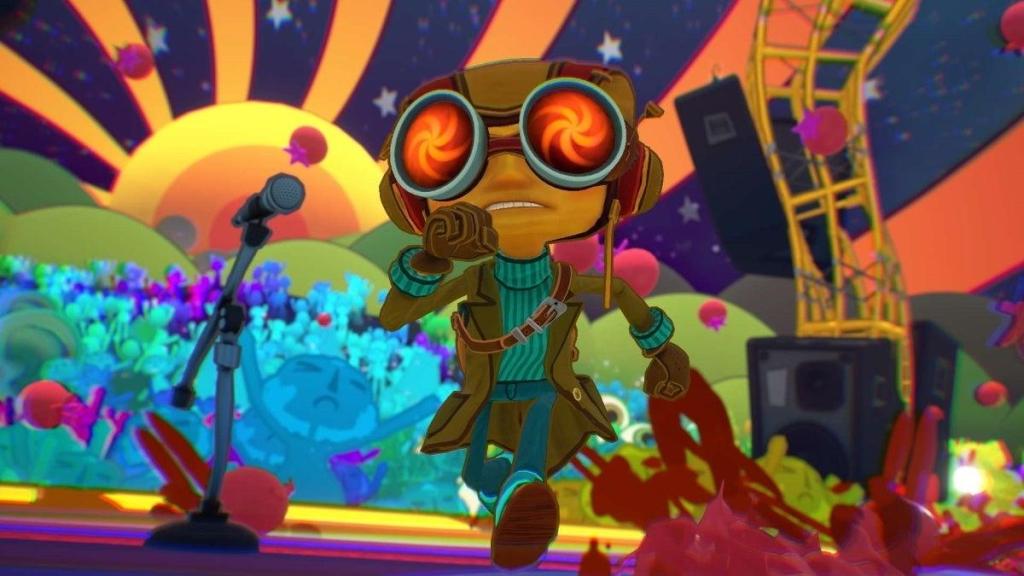
- Double Fine Productions (Psychonauts) – Return to an independent studio.
- Undead Labs (State of Decay 3) – Sold to new ownership to retain IPs.
- Ninja Theory (Senua series) – Sold to new ownership to retain IPs.
- Activision (Call of Duty) – Shifting investments, downsizing, restructure, etc.
- Bethesda/ZeniMax (Fallout, The Elder Scrolls) – Shifting investments, downsizing, restructure, etc.
- Blizzard (Overwatch, World of Warcraft) – Shifting investments, downsizing, restructure, etc.
- King (Candy Crush) – Shifting investments, downsizing, restructure, etc.
- Mojang (Minecraft) – Shifting investments, downsizing, restructure, etc.
Asha Sharma continues by saying that “I want Xbox to be one of the few companies that entertains more than a billion people each day,” putting some lofty goals for Xbox moving forward. Yet, many players are wondering if these layoffs are due less to restructuring like Sharma claims, and more of a way to implement AI into Xbox’s ecosystem. Hardware and manufacturing costs of Xbox products have been influenced by AI, possibly being the core reason why Microsoft’s job cuts have been so widespread.
Layoffs Have Shifted Xbox’s Focus To Larger IPs For Continual Growth Rather Than Stability
Parts of Sharma’s email showed which studios and projects will likely be Xbox’s primary focus going forward, with Sharma herself claiming that “Mojang and King will now directly report to me.” Games with large active monthly players are ongoing live service titles with bigger audiences seem to be the titles Xbox wants to support the most, at least from the impressions this email gives. Not only does this mean that Xbox is unlikely to support smaller gaming projects in the future, but it also could suggest that a new IP might be impossible to get off the ground.
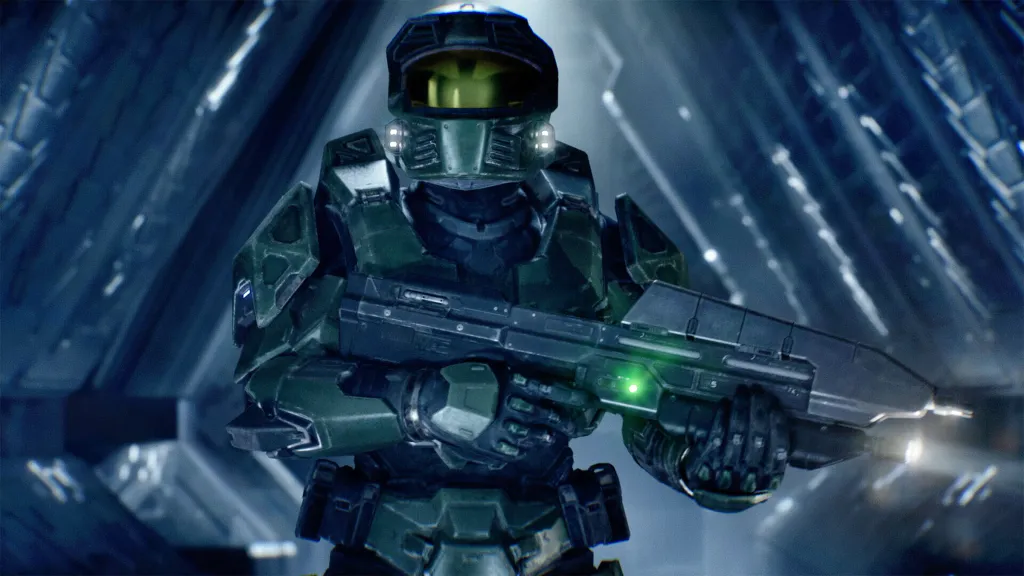
Franchises like Halo, The Elder Scrolls, Minecraft, and Overwatch might be where Xbox lends its support, rather than taking risks that put them in a position to restructure in the first place. On the one hand, this makes sense, as part of Xbox’s biggest struggles was spending too much money on programs and titles that didn’t meet their unrealistic expectations. At the same time, leaning into nostalgia and “reliable” player bases could easily stifle creativity, making Xbox a place where only familiar IPs are ever worked on.
Simplification Will Likely Change What Xbox Products Look Like In Future Console Generations
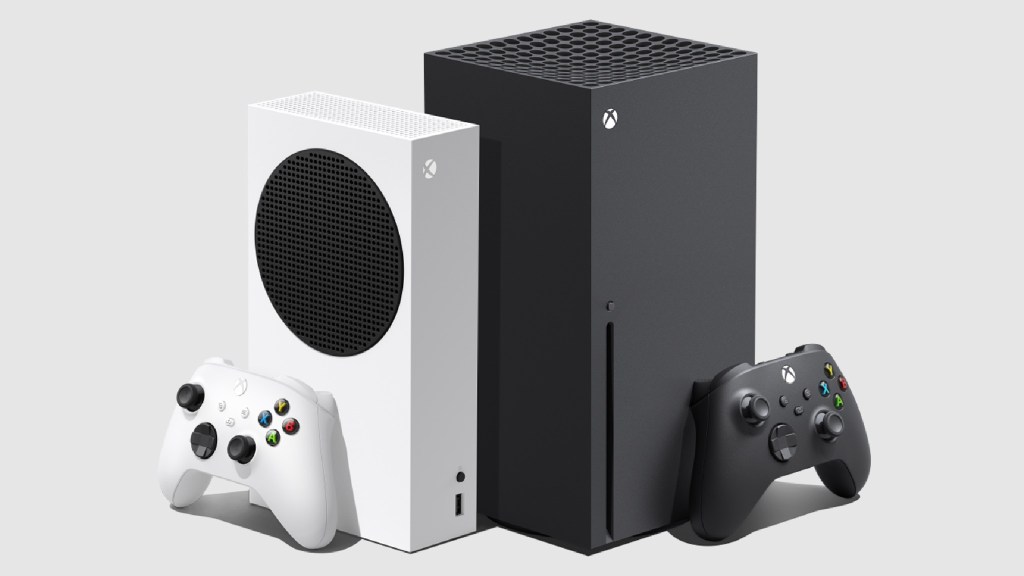
No matter how you look at Xbox’s situation, the removal of 3,000+ jobs is devastating for the industry, and especially for individuals who have put their heart and soul into working on games for people to enjoy. The constant seeking of a business for potential growth will still be Xbox’s primary goal moving forward, no matter how many changes they make. As a result, the simplification of its game making process may still create unrealistic expectations, despite the shift in the company’s management.
Future Xbox products could be ongoing, live service titles only, or games with large microtransactions to drive sales. The emphasis Xbox is putting on “games with larger audiences” is worrisome, as it suggests that Xbox will only support a title that gains a huge player base quickly and retains it for multiple years. This mentality has led to catastrophic failures, such as Sony’s Concord or the recent Highguard. Sequels, remakes, or remasters from known IPs could be the only products Xbox makes too, with Halo: Campaign Evolved being the biggest example of a re-hash players never really asked for.
For those trying to stay optimistic, these Xbox changes will hopefully allow them to refine and polish whatever projects they focus on, to truly earn the large audiences they want. Regaining good will with players will take time, and a concentrated effort on quality over quantity. However, the immediate impact of Xbox’s layoffs is saddening, and might become a trend with other gaming companies as rising manufacturing costs lead to $80 titles and downsizing everywhere.
What are your thoughts on Xbox’s layoffs? Leave a comment below or join the conversation in the ComicBook Forum!
More Gaming
-

Courtesy of Wizards of the Coast -

Image Courtesy of Kwalee