There was a time when performance was invisible, and that was the point. A game loaded, it ran, and whatever magic powered it stayed behind the curtain where it belonged. You did not think about frame pacing or shader compilation. You did not brace yourself for hitching every time a new area loaded. The experience simply held together, and that quiet consistency was part of the illusion.
Videos by ComicBook.com
Now, that illusion feels negotiated. You launch something new and wonder not what it is, but how it will behave. Will it stutter when you turn the camera. Will it buckle under its own ambition. Will it require a patch before it feels complete. Performance has not disappeared, but it has been reframed, softened into something flexible, something that can be fixed later, explained away, or disguised just well enough to pass.
The Era of Launch-Day Stutters Has Been Normalized
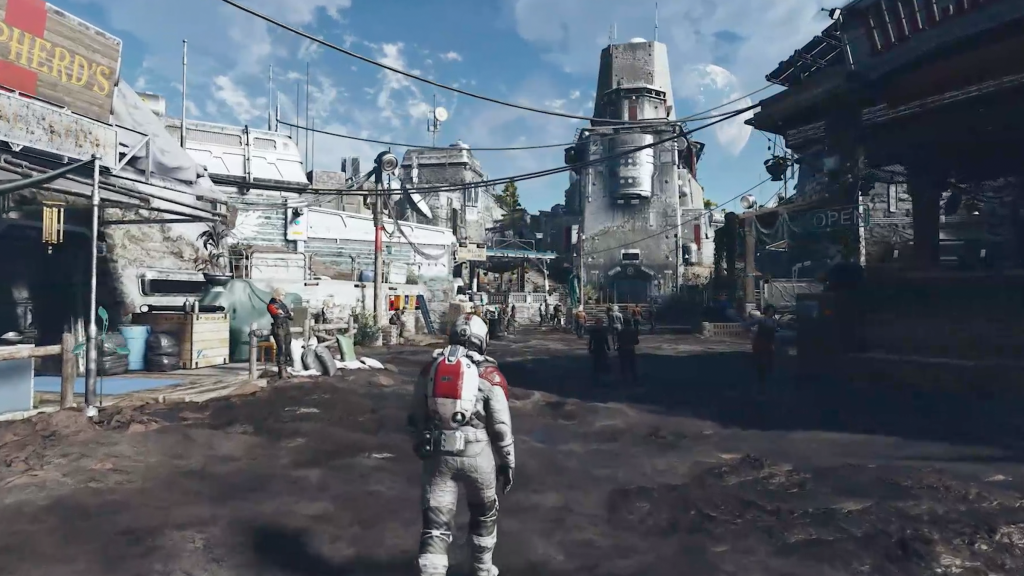
There is a strange ritual that surrounds modern releases, where a game will arrival, players full excitement, only to, within hours, have conversation the shift. Not to mechanics or story, but to performance, typically as a problem. Reports of stutters begin to surface. Frame pacing issues creep into footage. Entire threads form around workarounds that feel more like temporary truce agreements than solutions. And yet, none of this feels surprising anymore. It feels expected. The surprise would be silence, a launch untouched by technical conversation. That silence has become almost mythical in today’s industry. It lingers as a benchmark that few modern releases even attempt to reach anymore.
It does not stop at acknowledgement. Players begin preparing for it before release, scanning system requirements like weather forecasts and waiting for early impressions to confirm their suspicions. Settings menus become battlegrounds where compromises are negotiated rather than preferences expressed. Even high-end systems are not immune to this phenomena, which adds a layer of unpredictability that feels almost theatrical. Performance has not, truthfully, been a guarantee in a very long time. Instead, typically its a question, one that that gets answered in real time. Each new release feels like a test rather than a promise, and every test comes with the silent understanding that something will likely go wrong.
Developers patch, players wait, and somewhere along that timeline the narrative stabilizes (sometimes). The game improves, or at least it improves enough. What would have once been considered unacceptable at launch is now folded into the broader release cycle, treated as a phase or a “we can patch” rhythm, rather than a failure. The problem is not just that these issues exist. It is that they are anticipated, almost accounted for before the game even arrives. Performance has become something that matures over time, rather than something that arrives fully formed. It’s optional now. The expectation has shifted, and once expectations shift, they rarely return to where they once were. How has this become acceptable to the masses?

Dynamic Resolution Has Become a Crutch for Performance
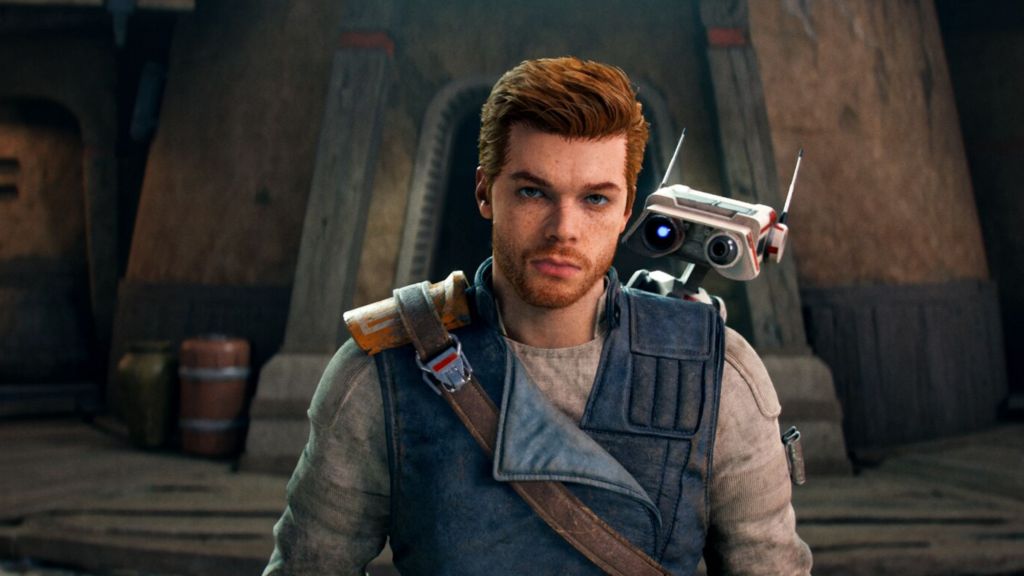
Underneath the surface, another shift has taken hold. Performance has also become more about its perception rather than actual raw stability. Techniques like dynamic resolution scaling step in to smooth over instability, quietly lowering image clarity in moments of stress to preserve frame rate. On paper, it works. The game feels smoother. The numbers hold steady, and the players tend to be happy with it. But something is being traded away in the process. That trade is rarely acknowledged, even when it is clearly visible. It becomes an invisible compromise that players accept without being asked. Over time, that acceptance starts to feel less like a choice and more like a condition.
It is not always obvious at first glance. The image softens slightly during heavy scenes, then sharpens again when the pressure eases. It feels fluid, almost seamless, until you begin to notice the pattern. The world breathes in and out in resolution, adjusting itself to maintain the illusion of consistency. Over time, that illusion starts to crack if you’re paying attention, especially for players who know what to look for. It becomes less about performance and more about presentation adapting on the fly. That difference is subtle, but once seen, it cannot be ignored.
The issue is not the technology itself. It is actually a good thing to give those with lower in machines the opportunity to experience the new shiny that releases. The actual problem here is how often it is used as a substitute for deeper optimization. Instead of addressing the root cause, the solution becomes reactive, a system that adapts in real time to avoid visible collapse. Most people likely not notice it consciously, but they feel it. A softness in the image. A subtle inconsistency in clarity. It is performance held together by wires and duck tape, that make adjustments rather than stability. What was once a clever solution now feels like a default fallback, and the more it is relied upon, the more it defines the experience it was meant to quietly support.
What do you think? Leave a comment below and join the conversation now in the ComicBook Forum!