The real-time strategy video game genre has evolved considerably over the years, dating back to its first entry in the late 1970s. As time passed, more and more RTS games followed, expanding the genre significantly to cover everything from historical combat to fantasy battles of epic proportions. There are RTS games for many popular franchises, including Star Wars, Riverworld, Star Trek, and many others. Still, only a handful of games could be considered to be the most influential. We dug through the archives to unearth the ten most influential RTS games ever made, presented in chronological order of release.
Videos by ComicBook.com
1) War of Nerves! (1979)

The very first game that helped to establish the RTS genre is War of Nerves! on the Magnavox Odyssey 2. The game is far less complex than those it would inspire, and features capture-the-flag-style gameplay, where the object is to capture your opponent’s general. Players control their general with a joystick, while the computer controls robots on both sides. As you can see from the graphics, it’s not complex, but the game establishes several of the genre’s core elements in 2D with a handful of colors and 192 bytes of RAM.
2) Utopia (1981)
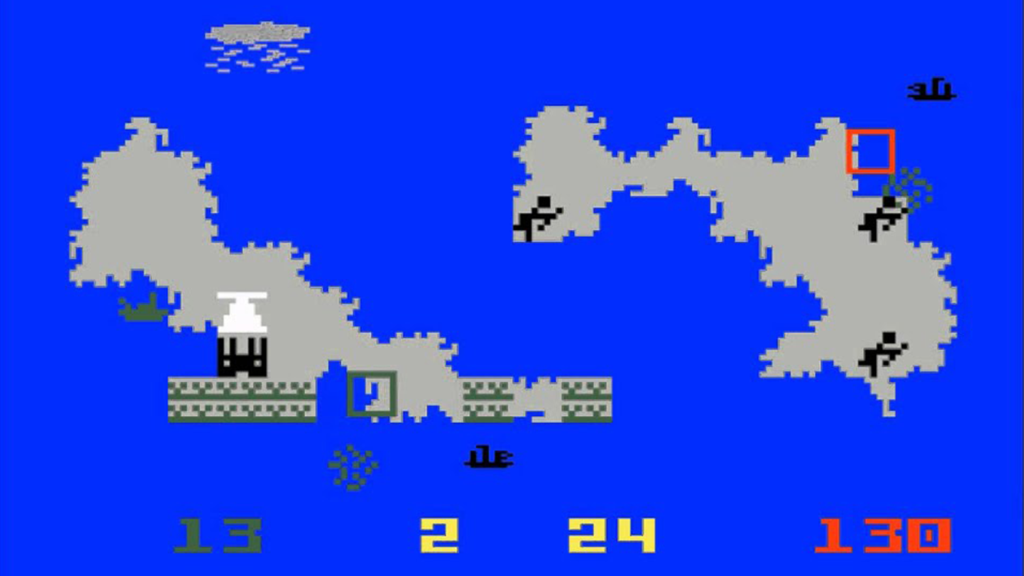
There’s no denying that War of Nerves! didn’t offer much of what is now traditional RTS gameplay, but it was an early innovation. The same can be said of Utopia, released for the Intellivision. The game is one of the first true city-building titles and uses early elements of RTS gameplay, making it an important step in the genre’s evolution. Utopia is designed for two players, each controlling an island that earns points by growing the economy and embracing agriculture. It lacks combat, which is a principal element of the genre, but covers pretty much everything else as RTS games developed.
3) Cytron Masters (1982)
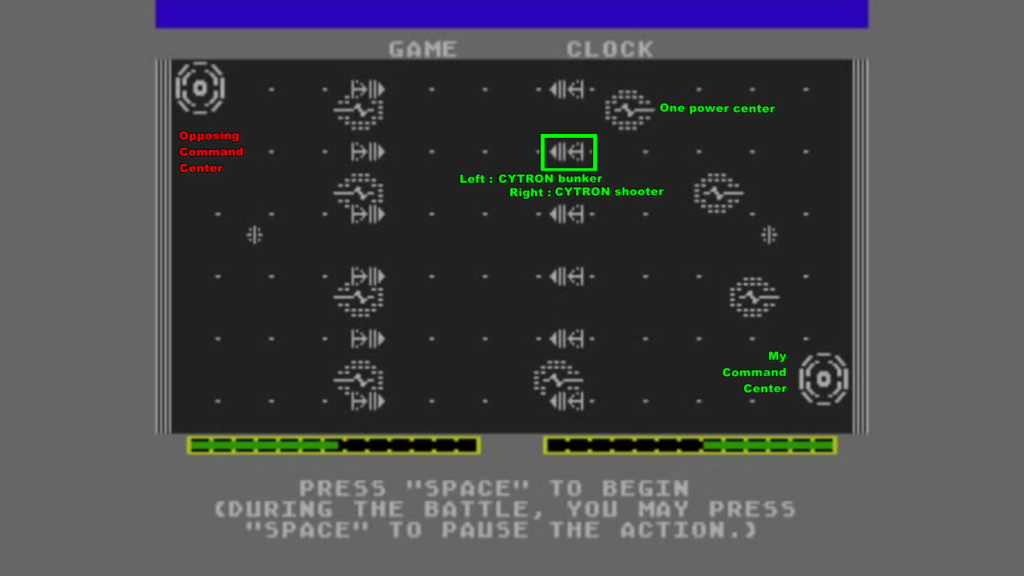
While the aforementioned examples introduced elements of the RTS genre, Cytron Masters is considered the first proper RTS game. It also employs rudimentary real-time tactics, so it’s something of an ancestor of that genre as well. It was released for the Apple II and Atari 8-bit systems and involves players building their military forces to defeat the other player. Each player’s command center is on opposite sides of the screen, which are fueled by generators that produce energy. This is the resource used to produce all kinds of units as gameplay unfolds, with combat between opponents.
4) The Ancient Art of War (1984)

The Ancient Art of War is a battlefield simulation game featuring knights, barbarians, archers, and spies as playable units. All of these are unmounted, including the knights, and the game allows the player to choose from a variety of campaigns, each with different gameplay and win mechanics. It included AI opponents with varying levels of difficulty and a focus on combat. There is no economic management mechanic to the game, which is a modern staple of most RTS titles that followed. The Ancient Art of War primarily focuses on tactics and how the player uses their forces in battle, influencing these aspects in many RTS games that followed.
5) Herzig Zwei (1989)
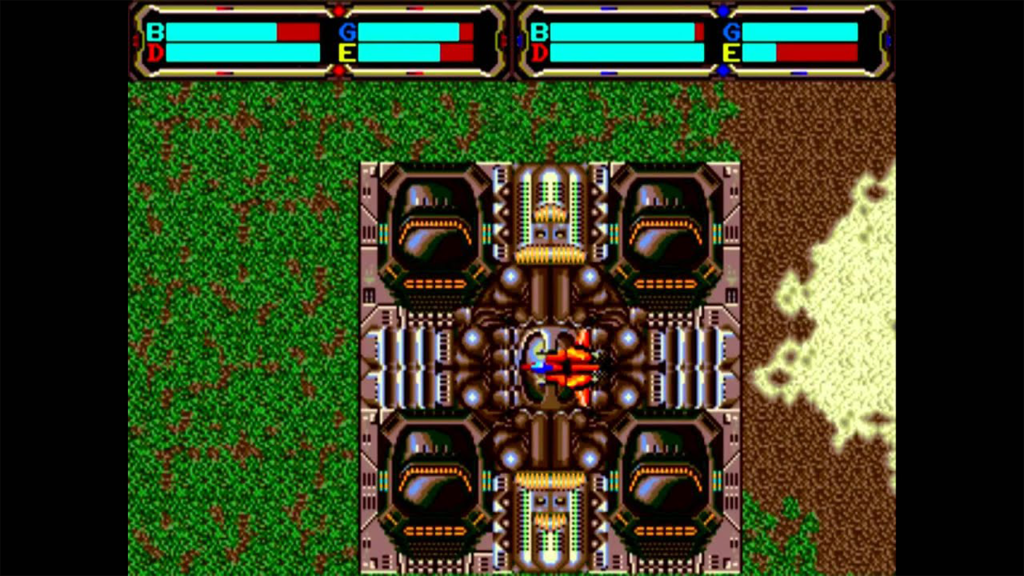
While computers were where RTS games originated, consoles had options as well. Herzog Zwei was released for the Sega Genesis and has had a widespread influence. This is one of those games you may never have heard of, but you’ve likely played plenty of titles that were influenced by it. The game combines arcade-style gameplay with strategic elements, where the player operates a flying mech that can perform command-based actions as well as engage in combat. Gameplay involves purchasing combat units and deploying them across the battlefield. Herzog Zwei was a direct influence on the more standardized RTS games that followed its release.
6) Dune: The Battle for Arrakis (1992)
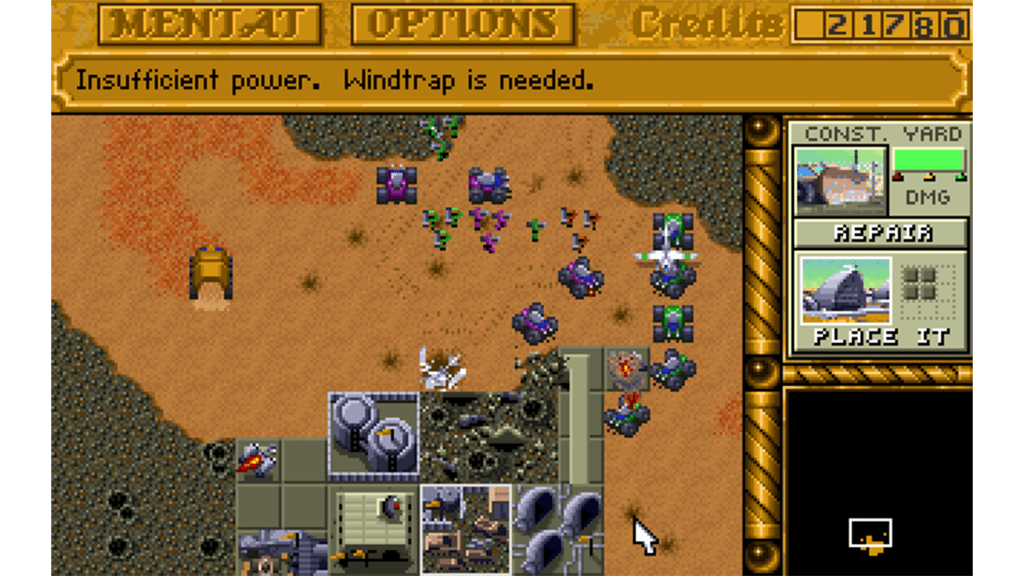
If you’re familiar with modern RTS games, you owe a debt of gratitude to Dune: The Battle for Arrakis, more commonly known as Dune II. This is the archetype of all modern RTS games, as it established many of the norms that would continue in a multitude of successful franchises. The game perfectly balanced combat and resource management, enabling dynamic base-building while coordinating the economic aspects of war. Every element of this game influenced what followed, and it is probably the most influential RTS game ever made. Despite all that, Dune II isn’t well known outside of those who played it in the early 1990s.
7) Warcraft: Orcs & Humans (1994)
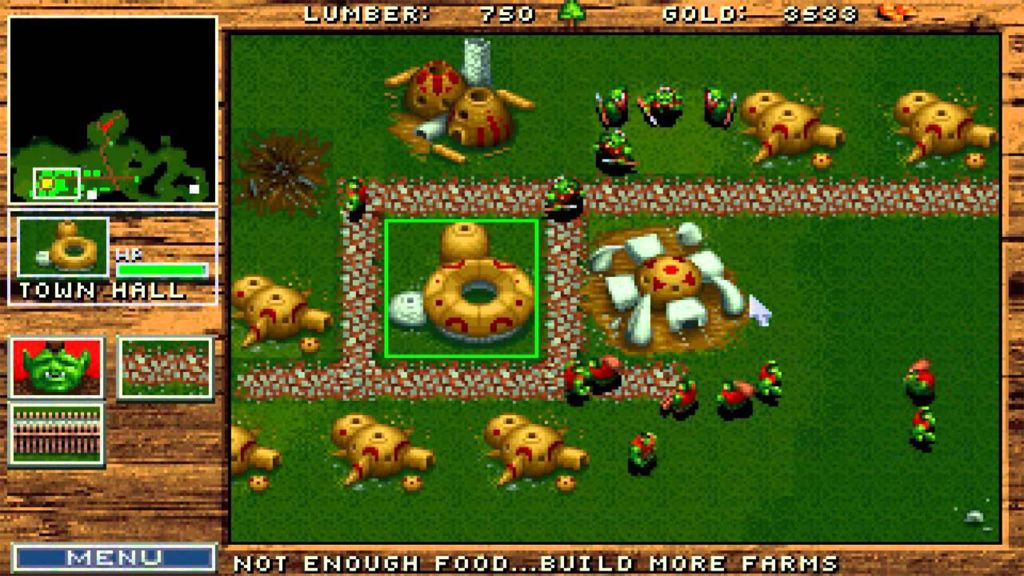
Long before World of Warcraft conquered the MMORPG genre, it started as an RTS game called Warcraft: Orcs & Humans. This is one of the earliest games that took direct inspiration from Dune II, and it was a massive success. The game’s influence stems from its multiplayer model, which wasn’t new so much as it was successful. Other RTS games used multiplayer gameplay, but Warcraft made it a core element, and the concept remains one of the most fundamental aspects of the genre, with tournaments held worldwide. The game was also beloved for its excellent missions, fun little Easter eggs, and Orc dialogue responses.
8) Command & Conquer (1995)
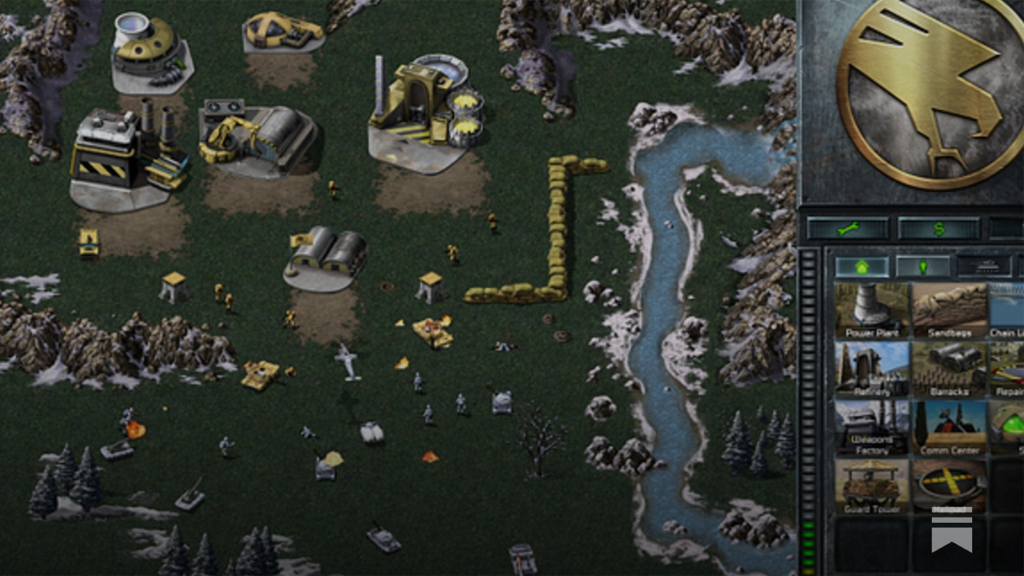
While Warcraft embraced fantasy gameplay in an RTS format, another title influenced by Dune II took an alternate-history approach to military combat. Command & Conquer is one of the most successful RTS franchises to emerge from the 1990s, and, like its predecessors, it innovated in several ways. It includes live-action cutscenes, which were rare at the time, and it was a massive hit. Command & Conquer spawned a franchise that continued to explore the game’s lore, adding new elements while improving core aspects of gameplay. It was one of the best military-themed RTS games of the era, and numerous sequels followed well into the 2010s.
9) Total Annihilation (1997)
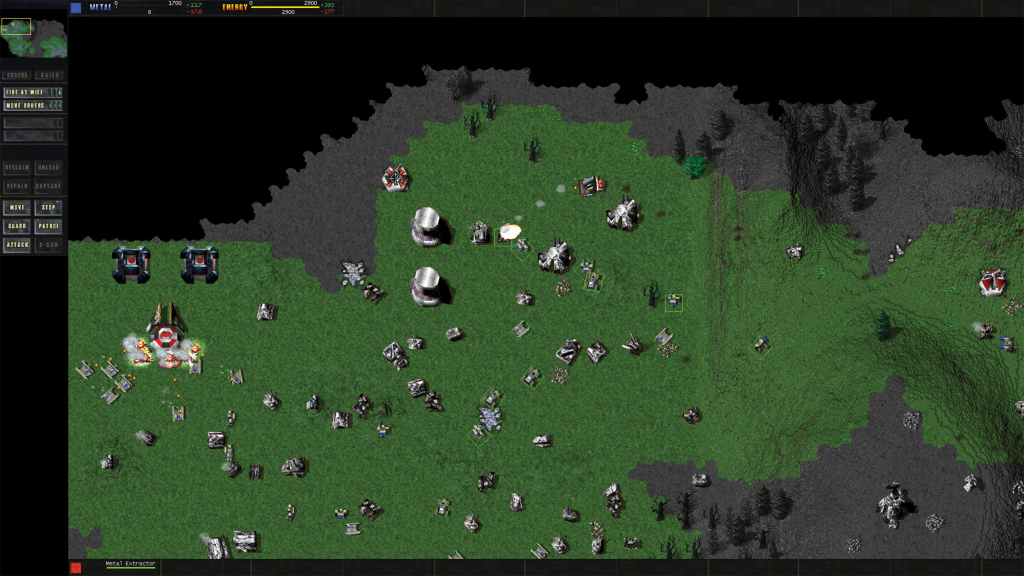
When Total Annihilation was released in 1997, it did something that hadn’t been done previously: it incorporated a dynamic physics engine into its gameplay. This was an innovation that had a significant impact because, with a physics engine, projectiles, explosions, and more were simulated in ways that altered how combat was conducted on the 3D surface. This included line-of-sight limitations based on terrain, a unit’s height influenced the lethality of its attacks, and much more. This level of detail was something RTS games previously lacked, and it set Total Annihilation apart from everything that preceded its release.
10) Dungeon Keeper (1997)
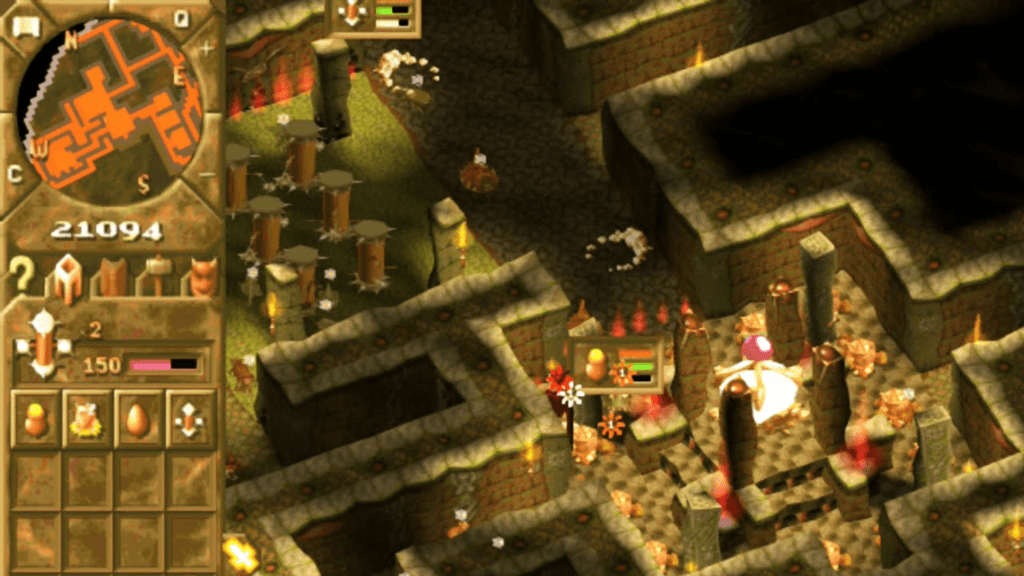
By the late 1990s, RTS games shifted to 3D, and one of the best early examples is Dungeon Keeper. The game is more of a strategy game with RTS elements, but it utilizes many of the same mechanics, so we’re including it here. Gameplay involves keeping hero characters out of your dungeon, who steal your treasure and kill your monsters. The goal is to conquer the world by eliminating all the heroes who oppose you, and it’s a great game that was a lot of fun and deserves a modern sequel. Dungeon Keeper’s influence can be seen in the manner in which it utilized 3D graphics to create its environment, and it is well worth checking out on Steam if you’ve never played it.
Which RTS game do you think was the most influential? Leave a comment below and join the conversation now in the ComicBook Forum!
Most Viewed
-

Courtesy of Crunchyroll -

Image Courtesy of A-1 Pictures -
Sony Pictures -

Image courtesy of Lucasfilm -

Image Courtesy of WIT Studio