There’s a strange kind of fascination that comes from wondering what could have been. Every creative project carries remnants of paths not taken, whether for a book, a movie, or even a screenplay. Ideas left behind on studio floors and scripts rewritten in quiet moments are the norm in the creative field. In games, however, those choices linger most vividly due to the interactivity.
Videos by ComicBook.com
Some of the most beloved stories in gaming were not born fully formed. Their conclusions came after long stretches of uncertainty, heated debates among writers, and countless moments of artistic risk. The results we know today feel definitive, even fated, but that certainty is often a carefully built illusion. Beneath the surface, there are alternate realities where familiar characters made very different choices. Here are three celebrated titles that nearly ended in completely unexpected ways.
3. The Last of Us (2013)
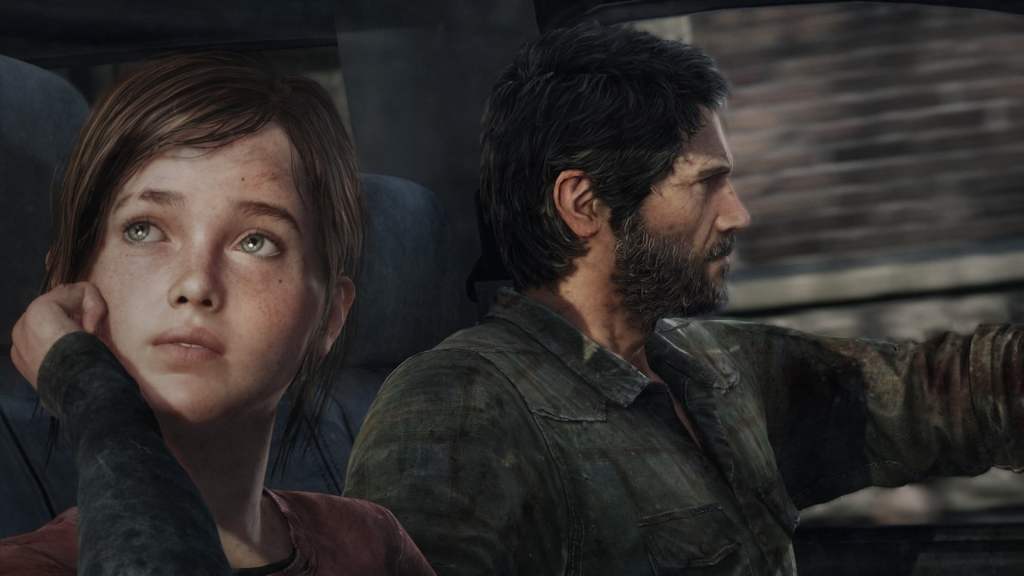
The ending of The Last of Us has become one of gaming’s most hotly debated moments. Players still argue whether Joel’s decision to save Ellie from the Fireflies’ operating table was an act of love or of selfishness. Yet few realize how close that ending came to being something else entirely. According to interviews with writer and director Neil Druckmann, early drafts explored several alternate fates for both Joel and Ellie. Some versions saw Joel die in the hospital. Others envisioned Ellie discovering the truth about the Fireflies and walking away, leaving Joel behind in a silence that would have carried its own kind of heartbreak.
The ending that made it to release, Joel’s quiet lie in the truck, Ellie’s searching “Okay”, was not the most obvious choice. It was one of emotional restraint rather than spectacle, and that was deliberate. Druckmann and his team reportedly wrestled with whether players would accept something so understated. The other endings would have provided closure, but this one provided tension. It left the relationship open, unresolved, almost uncomfortably human. In hindsight, it’s difficult to imagine The Last of Us any other way, but the fact that it could have been a final act of loss instead of ambiguous survival makes the ending’s simplicity more haunting.
2. BioShock (2007)
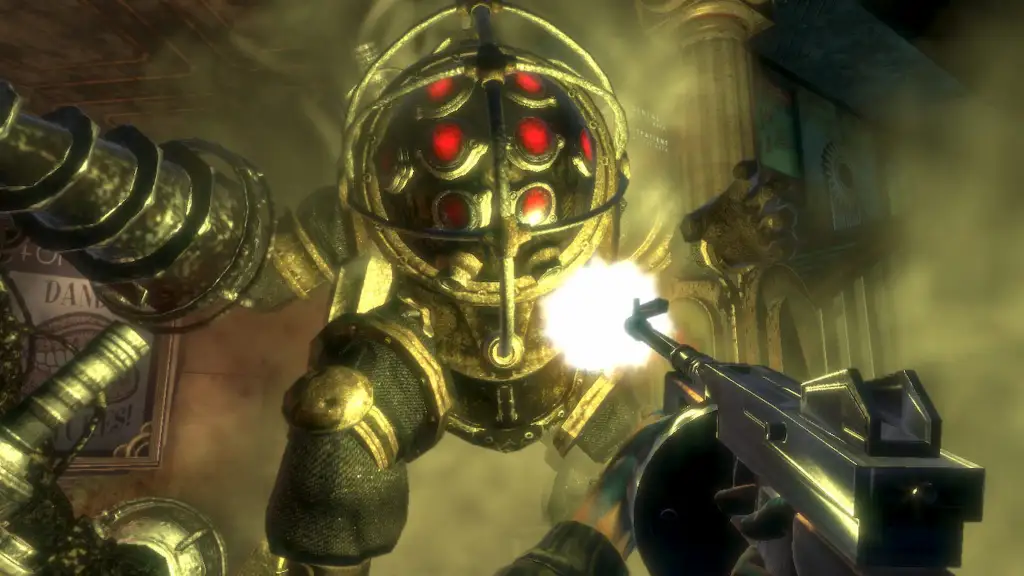
Few games have endings as distinctively analyzed as BioShock, and even fewer had endings that changed so drastically in development. Creator Ken Levine has spoken about the challenge of closing such a morally intricate story. The original drafts leaned toward a much darker conclusion, one in which Jack, the protagonist, could choose to embrace the philosophy of Andrew Ryan and take control of Rapture for himself. Rather than escaping, Jack would become a man shaped by the illusion of free will who willingly assumes the throne of the fallen city.
That version never made it past internal discussions, replaced by the now-iconic endings that mirror your treatment of the Little Sisters. Still, traces of that earlier concept remain embedded in the game’s DNA. The confrontation with Ryan, the player’s loss of control, the reflection on obedience—all of it hints at a story that might have ended in complete surrender rather than redemption. Levine once described BioShock as a tale about people “trying to impose order on a world that resists it.” Perhaps that explains why the final ending gives players a brief sense of escape. The alternate version, had it survived, would have forced them to realize that escape was never possible in the first place; truly a forlorn conclusion.
1. Red Dead Redemption (2010)
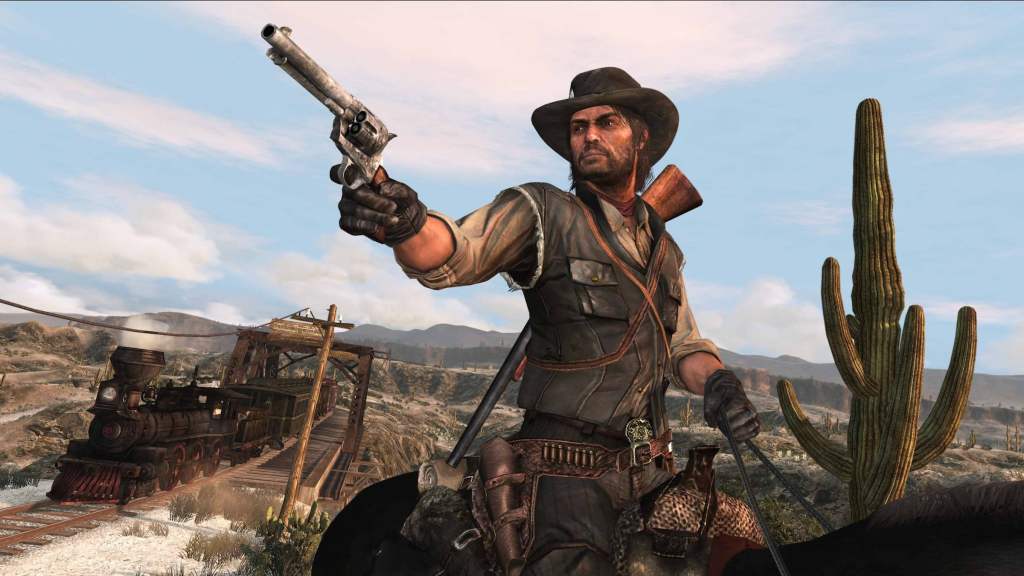
Rockstar Games has a reputation for subverting expectations on a considerable scale, but Red Dead Redemption tested the limits of what players were prepared to accept. John Marston’s final stand, his desperate sacrifice to protect his family, has become one of the most powerful scenes in the medium. What’s lesser known is that the studio once considered ending his story differently. Reports from developers close to the project suggest there were discussions about letting Marston live, perhaps disappearing into exile, his redemption secured through survival rather than death. It was a tempting idea, one that might have made Red Dead Redemption a more conventional western, but likely a less memorable one.
Dan Houser, Rockstar’s co-founder and lead writer at the time, explained that John’s death was essential to completing the arc of a man trying to escape the sins of his past. Keeping him alive would have softened the story’s message about the futility of redemption in a world built on violence. Marston walking into gunfire, accepting the cost of his choices, was a creative risk. It denied the fantasy of freedom the game had promised, replacing it with something far more real: inevitability. A version where John rode off into the sunset would have been satisfying, but it likely would not have lingered as long.
What do you think? Leave a comment below and join the conversation now in the ComicBook Forum!
Most Viewed
-

Image Courtesy of Netflix -
Image courtesy of Marvel Studios -

Courtesy of Crunchyroll -

Courtesy of Eight-Bit -

Courtesy of SuperGiant Games