It is easy to look at the gaming world and assume you know which games will soar and which will crash. Many titles hit the market with huge hype and still manage to flop spectacularly, while others fly under the radar and somehow capture lightning in a bottle. For gamers who have seen their fair share of disappointments, it can be shocking to watch a game that seemed destined for failure rise to the top.
Videos by ComicBook.com
Sometimes the games that seem least likely to succeed end up becoming cultural touchstones. Today, we are looking at three such titles that everyone assumed would flop, but instead became massive hits that shaped the gaming landscape. These games proved that initial impressions can be deceiving and that sometimes the real magic lies in creativity, community, and timing.
3. Fortnite
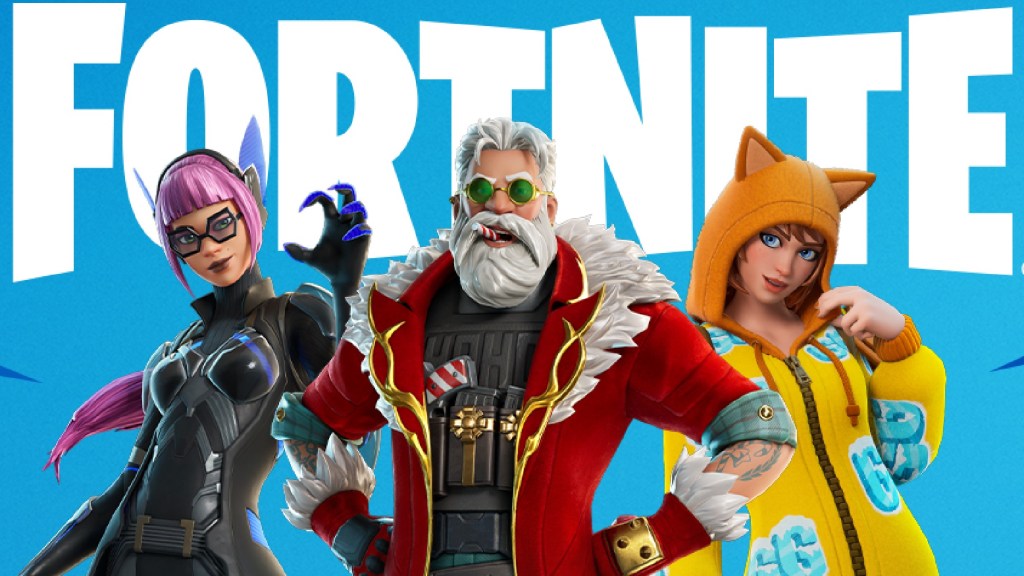
When Fortnite first entered the gaming scene, many assumed it would vanish just like countless other battle royale experiments. The game looked bright and cartoony, which led some players to dismiss it as a kids’ title. The building mechanics also seemed overly complex and clunky, especially compared to the more straightforward shooter experiences dominating the genre. It also went through significant changes in gameplay and scope during early development, which did not sit well with many who were eying the game from afar. Ultimately, it did not scream “massive hit” on day one.
Despite the early skepticism, Fortnite quickly found its footing. Epic Games leaned into the free-to-play model and added constant updates and seasonal events. The building system, once criticized, became a key feature that set it apart, and Epic Games, realizing this quickly into its release, capitalized hard on it. Players discovered there was more depth to the game than they initially thought, and soon it was impossible to ignore the growing community around it.
Fortnite has since become what can only be described as a cultural phenomenon. It is one of the largest, most popular free-to-play AAA experiences you can play, and this is the case across the entire globe. Cross-platform play allowed friends to jump in together regardless of device, and partnerships with pop culture icons and brands kept the game fresh. Its success proved that a game could defy early doubt and dominate the market if it was smart about community and innovation.
2. Minecraft
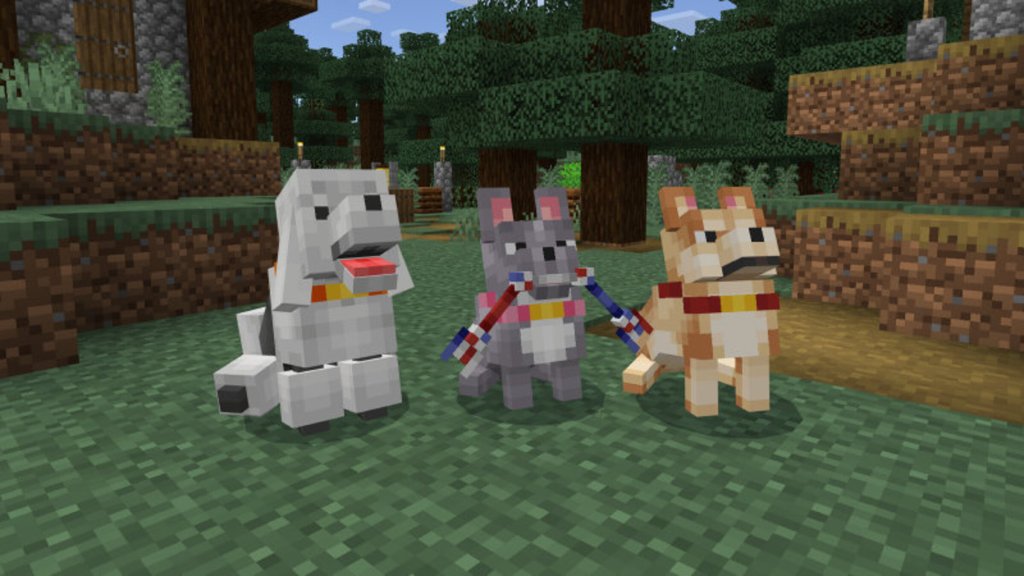
Minecraft looked like a rough, blocky indie project when it first released. A fair take. Even if you look at it now, that aspect still likely turns away many people interested in the title. That has not stopped the game from appealing to millions, however, which is a testament to its popularity. Many doubted that players would stick with a game that had no traditional objectives, low-end graphics, and a seemingly endless world of cubes. It was the kind of title that people assumed would fade away quickly once the novelty wore off.
But Minecraft tapped into something fundamental that no one saw coming. The freedom to build, explore, and modify the world however players wanted resonated with a huge audience. When Minecraft came out, you could make almost anything you wanted in the game with some time and patience. This aspect was showcased all over the internet, with fans of the game making incredible creations no one thought were possible at the time. The game became a platform for creativity, with mods and custom servers expanding the possibilities far beyond what its creators initially imagined. It quickly became a favorite among gamers of all ages.
Years later, Minecraft has not just survived but thrived, going on to become the best-selling video game of all time, surpassing even the legendary Grand Theft Auto. It is a global phenomenon with a dedicated fanbase and educational applications, and these aspects of allowed it to appeal to everyone of all ages. The game showed that simplicity, when combined with creativity and community engagement, can turn doubt into enduring success.
1. Among Us
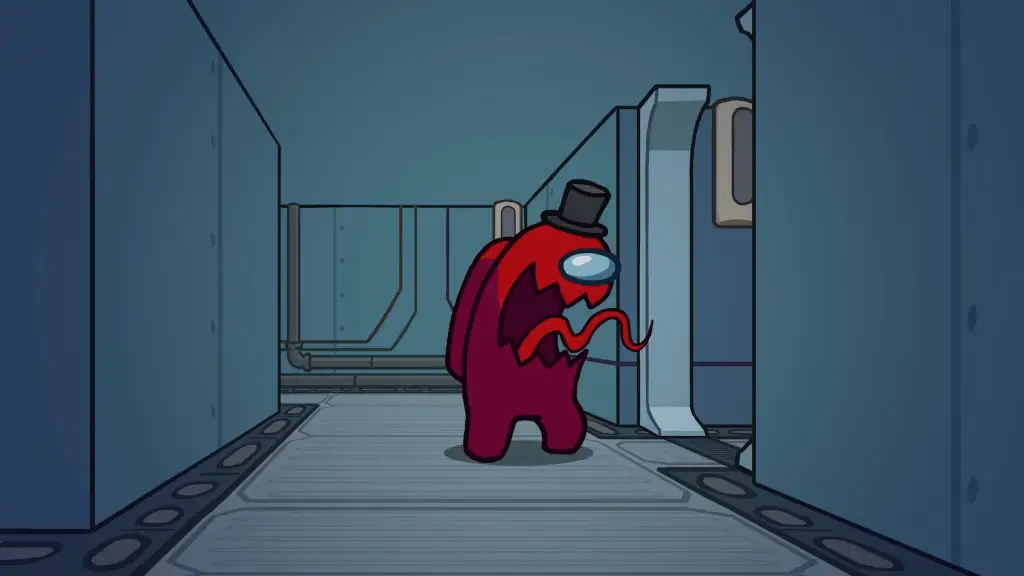
Among Us launched quietly in 2018 with minimal fanfare, and most people barely noticed it. Of all the games on this list, Among Us is the one that would be considered a “sleeper hit”. Its initial release did not see the game blow up. It was like many indies before and after it: a success, but on a really small scale. Part of this is because its low-budget graphics and simple gameplay mechanics did not scream “hit,” and many assumed it would disappear without making a splash. Many didn’t even know it existed, and for a long time, it seemed like it might just be another obscure indie title lost to time.
Everything changed during the COVID-19 pandemic, when people were forced to stay inside and craved social connections, using video online games to obtain it. Streamers and YouTubers discovered Among Us and quickly turned it into a sensation by showing off its incredible social dynamic to the entire world. The simple yet brilliant premise of deception and teamwork captivated players, and suddenly, everyone was logging in to figure out who the imposter was.
Among Us became a cultural moment, spawning memes, fan art, and even educational applications. It proved that timing and social appeal can completely overturn expectations. Among Us was a small, forgettable game, but it became a staple of social gaming and showed that the right audience and context can turn the smallest project into a global hit.
These three games demonstrate that initial impressions are rarely the whole story. Fortnite, Minecraft, and Among Us are some of the largest, most popular games on the planet, and all faced skepticism and doubt at the outset. Yet each found a way to capture the hearts of millions.
What do you think? Leave a comment below and join the conversation now in the ComicBook Forum!
Most Viewed
-

Courtesy of Sony Pictures Animation / McDonald's -

Image Courtesy of Netflix -

Images courtesy of Warner Bros. Pictures