Japanese role-playing games have shaped the global gaming landscape for decades. Long before open-world checklists and cinematic realism became industry standards, these games focused on character-driven storytelling, emotional stakes, and systems that rewarded strategy and commitment. JRPGs taught players to care deeply about fictional worlds, to invest dozens of hours into a single journey, and to view games as a medium capable of profound expression through various experimentation.
Videos by ComicBook.com
What defines the greatest JRPG series is not just longevity or sales. It is influence. These franchises introduced mechanics that became genre staples, pushed narrative boundaries, and consistently evolved while honoring their roots. Across generations of consoles and players, they set benchmarks for music, world-building, and emotional storytelling that still resonate today. Here are the five best JRPG series of all time.
5) Tales of
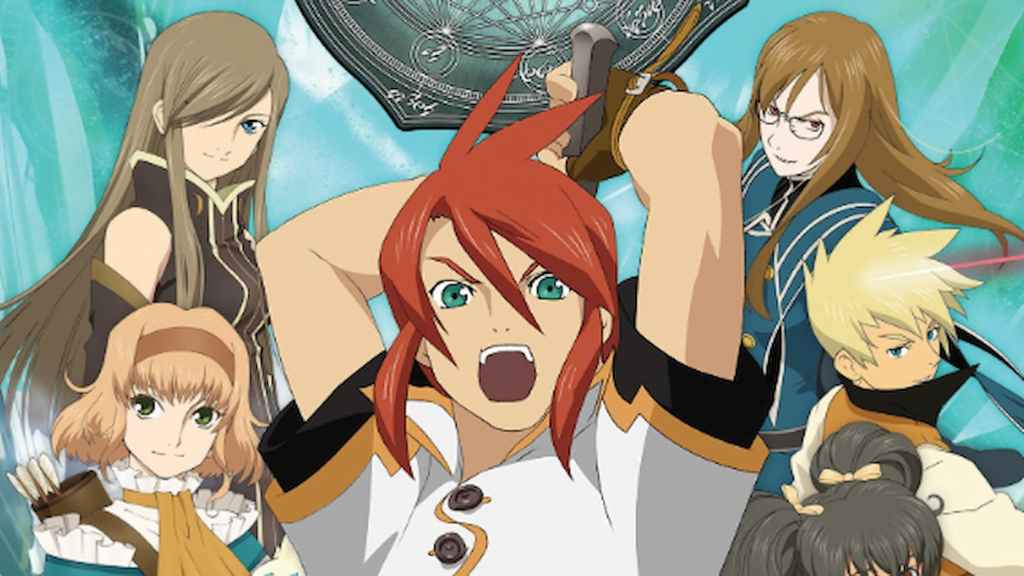
The Tales of series stands as one of the most enduring action-focused JRPG franchises. Beginning in the mid-1990s, it carved out a unique identity by blending real-time combat with traditional RPG progression. Instead of turn-based menus, players engage in fast-paced battles that emphasize positioning, timing, and character synergy. While not every entry reaches the same heights, the series’s willingness to experiment while staying true to its core has kept it relevant.
One of the series’ greatest strengths is its party dynamics. Stories often revolve around clashing ideals, political tension, and personal growth. Characters argue, evolve, and form bonds through skits, a signature feature that adds depth and humor between major story beats. This emphasis on interpersonal relationships helped redefine how JRPGs present character development.
The franchise has also been remarkably adaptable. Entries like Tales of Symphonia brought the series to a global audience, while later games refined combat systems and presentation for modern hardware. Music consistently enhances emotional moments, and anime-inspired art styles ensure visual cohesion across decades. Its contribution to action-based JRPG combat alone secures its place among the greatest.
4) Xenoblade Chronicles
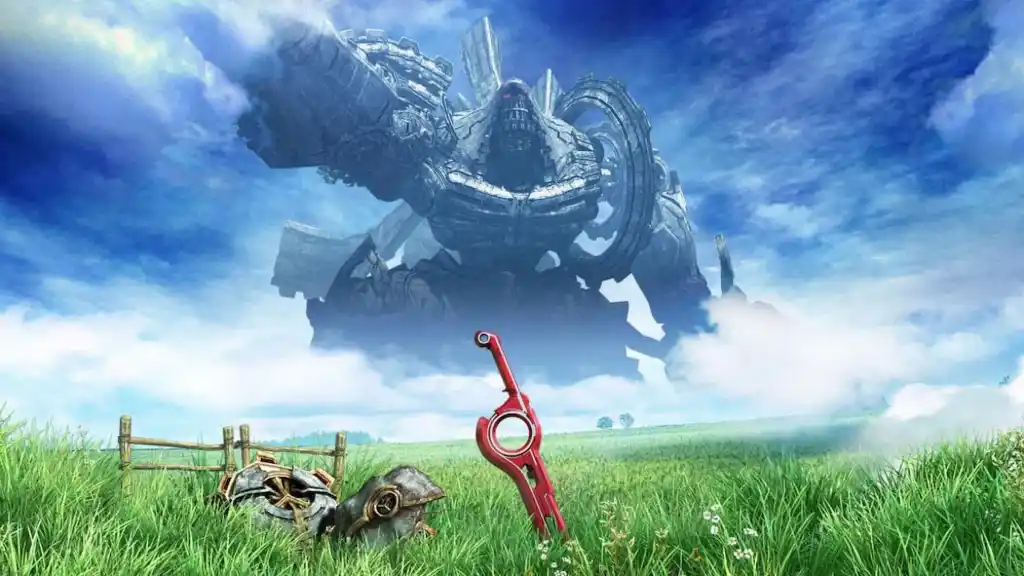
The Xenoblade Chronicles series represents ambition on a massive scale. Known for sprawling environments and philosophical storytelling, it redefined what exploration could look like in JRPGs. Vast landscapes visible from a distance are not just scenery, but fully explorable spaces that reward curiosity. Xenosaga shaped the foundations of this series, but once it was released on the Wii, it exploded into what it is today.
Combat blends real-time movement with strategic ability management. Rather than pure action or traditional turns, the system encourages positioning, cooldown management, and party coordination. This hybrid approach influenced later RPGs seeking to balance accessibility with depth. While it does have a steep learning curve, it is incredibly enjoyable once you get the hang of things.
Narratively, the series explores existential themes, identity, and the nature of gods and machines. Stories unfold over long arcs, often recontextualizing earlier events in surprising ways. The Xenoblade Chronicles franchise also pushed hardware limits, particularly on Nintendo platforms. Its technical ambition proved that expansive JRPGs were not limited to high-end consoles. By prioritizing scale, narrative complexity, and world cohesion, Xenoblade Chronicles expanded the genre’s sense of possibility.
3) Dragon Quest
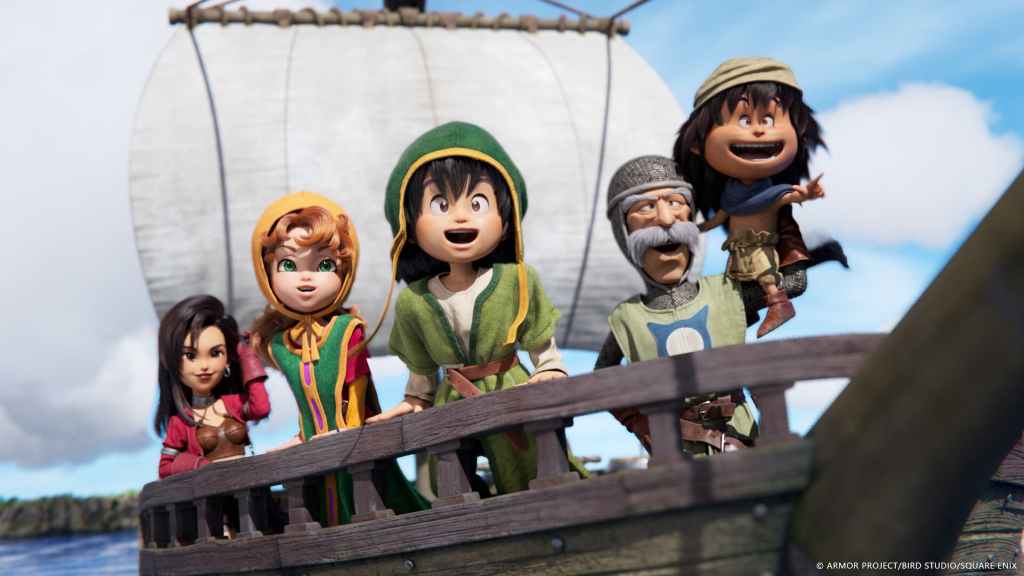
Few series are as foundational to JRPGs as Dragon Quest. Often referred to as the blueprint for the genre, it established core mechanics that countless games still follow today. Turn-based combat, party progression, and overworld exploration were all refined into an approachable yet deep formula. What sets Dragon Quest apart is its commitment to tradition.
While many franchises chase reinvention, this series refines its systems incrementally, preserving a comforting sense of familiarity. This consistency has made it a cultural phenomenon in Japan, where each new release feels like an event. That doesn’t mean the series hasn’t evolved; it has just done so in a way that adheres to the foundation of its earliest games.
Narratively, Dragon Quest balances lighthearted charm with epic stakes. Its worlds are colorful, filled with whimsical characters and memorable monsters. The art style, shaped by Akira Toriyama, gives the series an instantly recognizable identity that has remained timeless. And even though it is bright and colorful, there are some darker undertones, with Dragon Quest XII: The Flames of Fate promising to be the darkest yet.
Dragon Quest’s greatest contribution lies in its accessibility. It welcomed new players without sacrificing depth, ensuring the genre’s longevity. The remakes have shown just how strong these games are by bringing them to modern audiences.
2) Persona
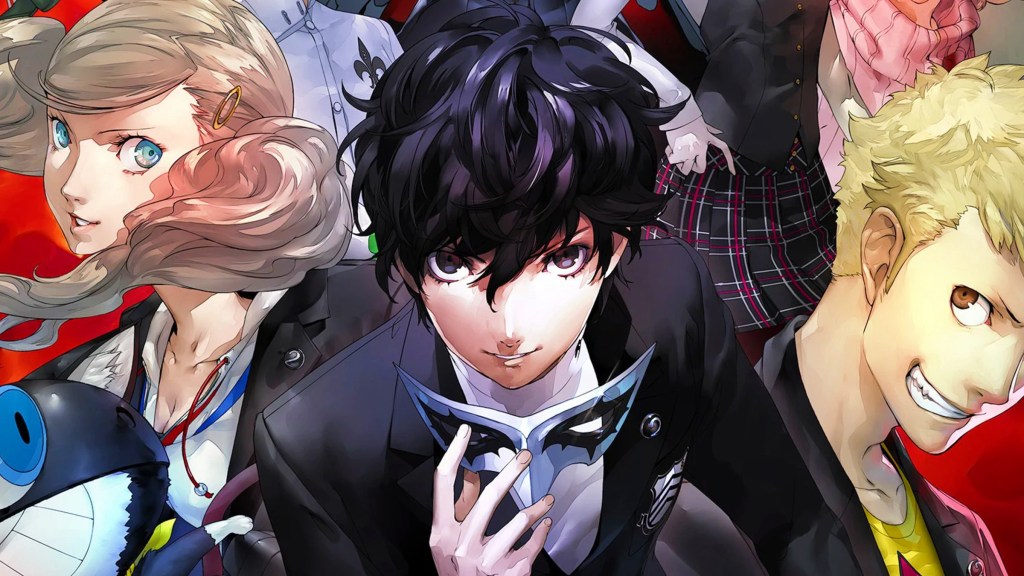
The Persona series transformed JRPG storytelling by merging everyday life with supernatural conflict. By blending dungeon crawling with social simulation, it created a structure where character relationships directly impact gameplay. This integration made emotional investment a core mechanic rather than a narrative afterthought. The most recent titles have capitalized on this and have become one of the most popular JRPGs ever made.
Combat remains turn-based, but emphasizes exploiting weaknesses and careful planning. Each battle feels tactical, rewarding knowledge and preparation. The fusion system allows deep customization, giving players creative control over their abilities. But what truly defines Persona is its tone. Stories tackle themes of identity, trauma, and societal pressure, often through the lens of adolescence. Characters feel grounded and relatable, making their struggles resonate strongly with players.
Visually and musically, the series is instantly recognizable. Bold art direction, stylish menus, and genre-defining soundtracks have elevated presentation standards across JRPGs. Persona demonstrated that JRPGs could be modern, socially aware, and deeply personal, influencing a new generation of developers. It is remarkable to see a JRPG break free from the fantasy formula and make such a name for itself, and this is partly why Persona is such a hit.
1) Final Fantasy
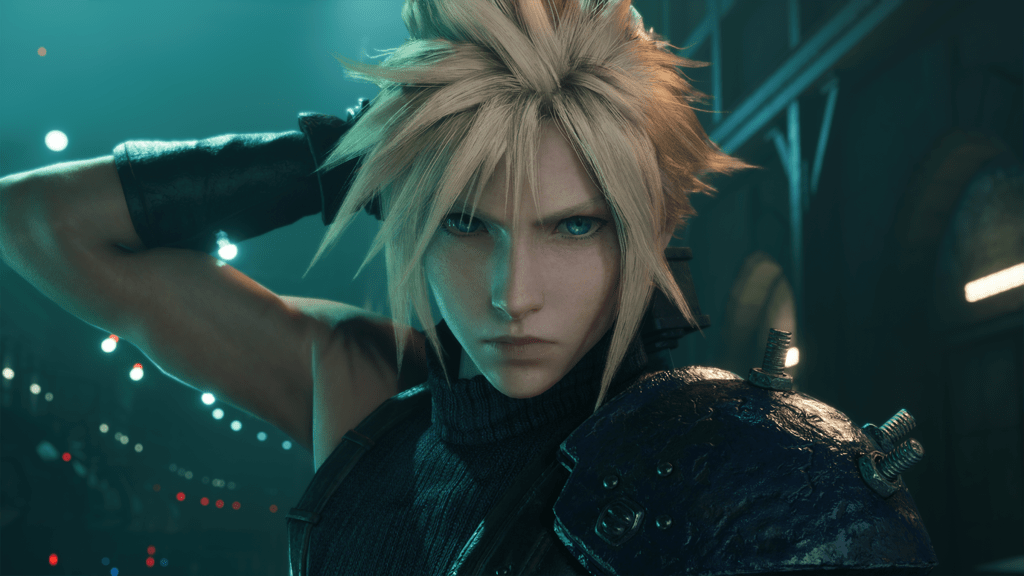
At the pinnacle of JRPG history stands Final Fantasy. Few series have evolved as dramatically while maintaining global relevance. Each mainline entry reinvents systems, worlds, and mechanics, treating every release as a new interpretation rather than a direct sequel. Nearly every game can be played without any prior knowledge of the others, and the series is only stronger for this. Fans have argued on end about which mainline game is better, and there is no sign of that going away.
The series pushed narrative ambition forward, introducing cinematic storytelling, complex characters, and mature themes. From political intrigue to personal loss, its stories helped legitimize games as emotional experiences. Final Fantasy VII remains one of the greatest stories ever told, and fans eagerly await the conclusion of the Remake trilogy.
Mechanically, Final Fantasy constantly experiments. Active time systems, job customization, and real-time combat hybrids all originated or were popularized here. Its willingness to take risks influenced the entire industry, and it continues to do so today. Every game borrows pieces from its predecessors and adds its own elements to create a unique experience. Then there are the spin-off titles, further adding to the Final Fantasy library.
The music from Final Fantasy is legendary and has become inseparable from gaming culture. One-Winged Angel is one of the most recognizable tracks ever made. This also shows the strength of its characters and how iconic they are. By blending innovation with artistic ambition, Final Fantasy defined what JRPGs could achieve, securing its place as the greatest series of all time.
What do you think? Leave a comment below and join the conversation now in the ComicBook Forum!
Most Viewed
-

Image courtesy of Marvel Studios -

Image Courtesy of Netflix -
Image courtesy of Square Enix -

Image courtesy of Ufotable