The gaming industry has come a long way since its inception, and players now have more options than ever when it comes to making choices. Yet some genres are more prevalent than others, and while many originated decades ago, it is the more modern examples that have pushed them into the spotlight. While not the originators of the genre, some games have made this more mainstream and influenced developers to create, and have led to impressive growth while also revolutionizing their genre.
Videos by ComicBook.com
The games below did more than entertain. They changed expectations for entire genres and set new standards for design, challenge, accessibility, and innovation. Each one redefined what players could expect from its genre, and their influence can be seen through the trends that followed. Whether through combat design, structural reinvention, or new approaches to multiplayer, these five titles helped shape modern gaming in ways few others have.
5) PUBG

While Fortnite is the leading battle royale game, it owes its beginnings to PUBG, or PlayerUnknown’s Battlegrounds. Released in 2017, it transformed the battle royale concept into a global sensation. The tension of shrinking zones, scavenging for gear, and surviving against dozens of opponents formed a structure that players instantly fell in love with. Its realistic tone separated it from the arcade-style shooters of the era, and while other battle royale games have discarded realism in some aspects, it remains as popular as ever.
The success of PUBG directly inspired an explosion of battle royale games, including Fortnite, Apex Legends, Call of Duty: Warzone, and so many more. The genre now dominates live-service design, esports events, and streaming culture. PUBG didn’t just influence gaming; it reshaped multiplayer trends across the entire industry, becoming one of the most impactful releases of the modern era. We’ve seen both Call of Duty and Battlefield, two of the biggest names in the shooting genre, adapt to include battle royale gameplay, and the genre shows no sign of slowing down as we look at upcoming games.
4) Hollow Knight
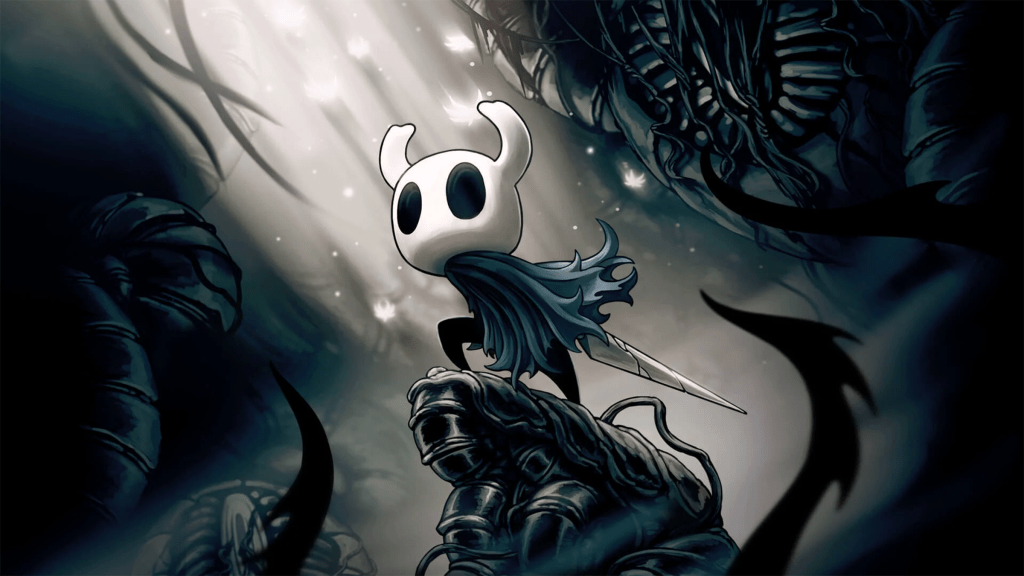
Hollow Knight launched on February 24th, 2017, and forever changed the Metroidvania genre. Despite the success of Metroid and Castlevania, the genre was still niche. Team Cherry’s debut changed that perception overnight. Its intricate world design, polished combat, and impressive scale showed what a modern Metroidvania could achieve on an indie budget. The game balanced exploration and challenge with a level of precision that appealed to both newcomers and veterans.
Its influence elevated the entire genre and made it more mainstream than ever. After Hollow Knight, the Metroidvania space surged with critically acclaimed releases like Ori and the Will of the Wisps, Blasphemous, Axiom Verge 2, and Metroid Dread. We’ve even seen AAA developers return to it, both with Prince of Persia: The Lost Crown and God of War: Sons of Sparta. The game helped bring Metroidvanias into mainstream attention, proving that atmospheric exploration and intricate map design could compete with big-budget productions. With Hollow Knight: Silksong’s success and the return of Castlevania: Belmont’s Curse, Metroidvanias are in the best place they’ve been since the genre’s creation.
3) Slay the Spire
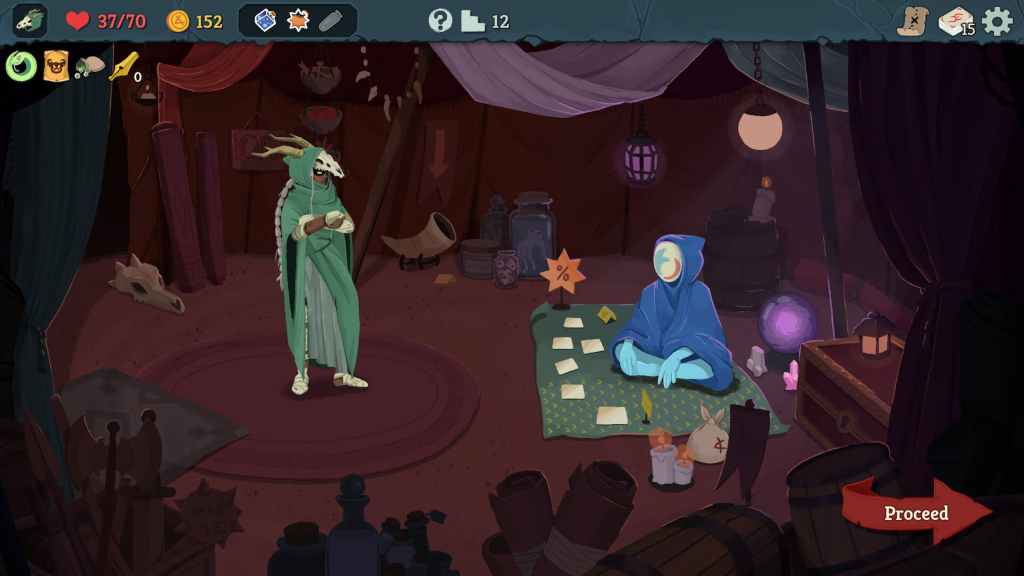
Before Slay the Spire, deckbuilding games were primarily found in tabletop circles or small experiments, but MegaCrit’s breakout hit changed that forever. By merging roguelike progression with card-based combat, it introduced a structure that encouraged replayability, strategic experimentation, and constantly evolving loadouts. Its success showed that deckbuilders could flourish on consoles and PC, not just card-game communities.
The game’s influence is undeniable. It launched the modern roguelike deckbuilder boom, inspiring titles like Monster Train, Across the Obelisk, and Balatro. Developers across genres have adopted its mix of strategic choice-making and run-based design. What began as a niche experiment turned into one of the most important indie successes of the decade, reshaping how studios approach card-driven mechanics. With Slay the Spire 2 set to launch soon, it remains to be seen how this giant of a game stands up today after its initial success.
2) Overwatch
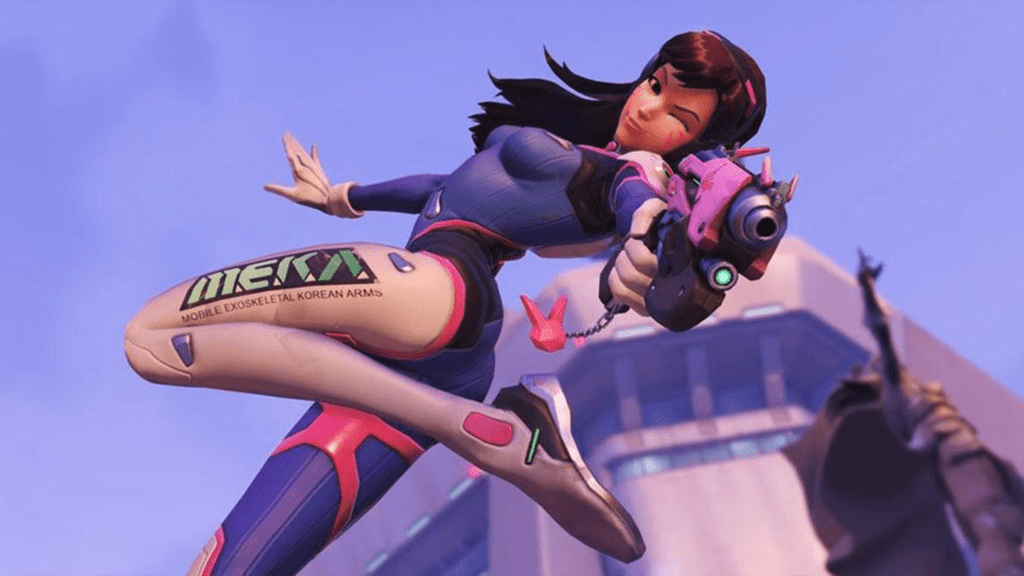
Team Fortress 2 may have been the first mainstream hero shooter, but when Blizzard launched Overwatch in 2016, it turned the genre into a massive success. Overwatch brought personality, clarity, and structure to the format in a way that resonated with a broad audience more so than any game before it. Each hero offered a distinct playstyle, and teams succeeded through composition strategy rather than raw aim alone.
Its success sparked the rise of the hero shooter, leading to games like Apex Legends, Valorant, and Paladins. Overwatch also influenced esports with its polished presentation and role-based team structure. The game proved that competitive shooters could thrive through variety, accessibility, and strong character identity, paving the way for a decade of hero-focused multiplayer design. Even now, the game is a massive hit with the release and reset of Overwatch 2, and it continues to influence shooters today.
1) Dark Souls
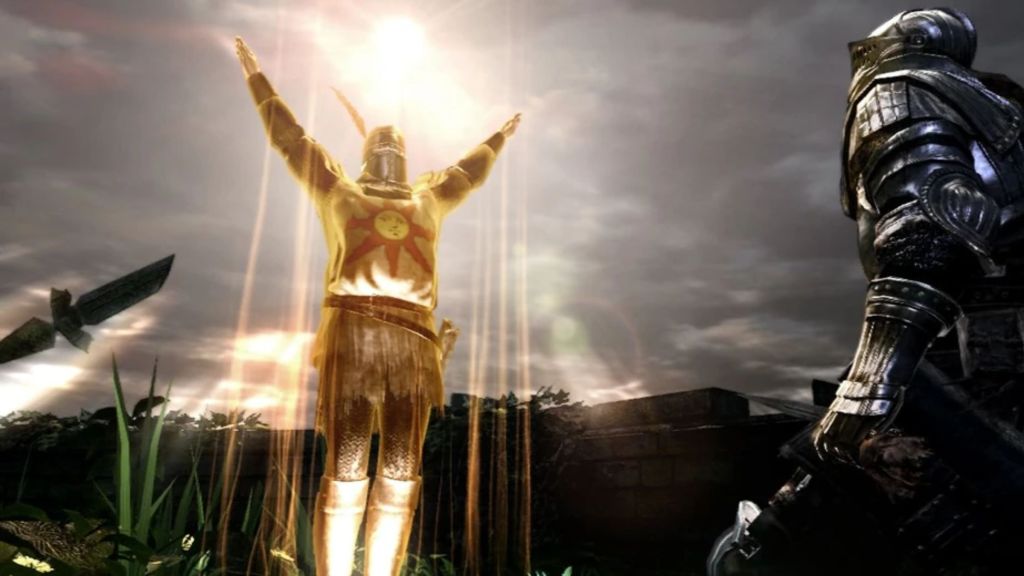
When discussing the most influential modern titles, Dark Souls immediately rises to the top. Released in 2011, it introduced players to a style of action RPG design built around deliberate combat, environmental storytelling, and a world that rewarded curiosity rather than direct guidance. The game’s unique approach to difficulty emphasized learning through failure and mastery through repetition. These ideas weren’t entirely new, as Demon’s Souls started it, but Dark Souls unified them into a formula that stuck across the entire gaming industry.
The result was the birth of the soulslike genre, a now-standard term used to describe games inspired by FromSoftware’s design philosophy. Titles such as Nioh, Lies of P., and Lords of the Fallen all owe their existence to the blueprint created by Dark Souls. Its influence expands even further into mainstream action games, many of which now borrow elements such as stamina-based combat, interconnected worlds, and methodical encounters. Few games have shaped a genre so completely or so quickly and have become so popular.
What do you think? Leave a comment below and join the conversation now in the ComicBook Forum!
More Gaming
-
Courtesy of Wizards of the Coast -

Courtesy of Interplay Productions