Indie games have exploded in popularity now, dominating sales charts and contesting for the title of Game of the Year like never before. But there was a time when these games were niche and seldom discussed like AAA games. There have been many entries that have pushed the indie narrative, but one of the most important and highly regarded was released 9 years ago today. Without it, indie games may have remained a byproduct of gaming, and one genre would have remained small with a cult following.
Videos by ComicBook.com
9 years ago, on February 24th, 2017, Team Cherry released Hollow Knight. This hand-drawn Metroidvania almost single-handedly made the genre mainstream and helped put indie games on the map. Players praised its challenge, atmosphere, layered storytelling, and hand-drawn world. As someone who loves bugs and platformers, it was basically the perfect game made just for me. But I wasn’t alone, as it garnered a huge audience and led to one of the most anticipated games and sequels of all time, Hollow Knight: Silksong.
Hollow Knight’s Rise to Fame
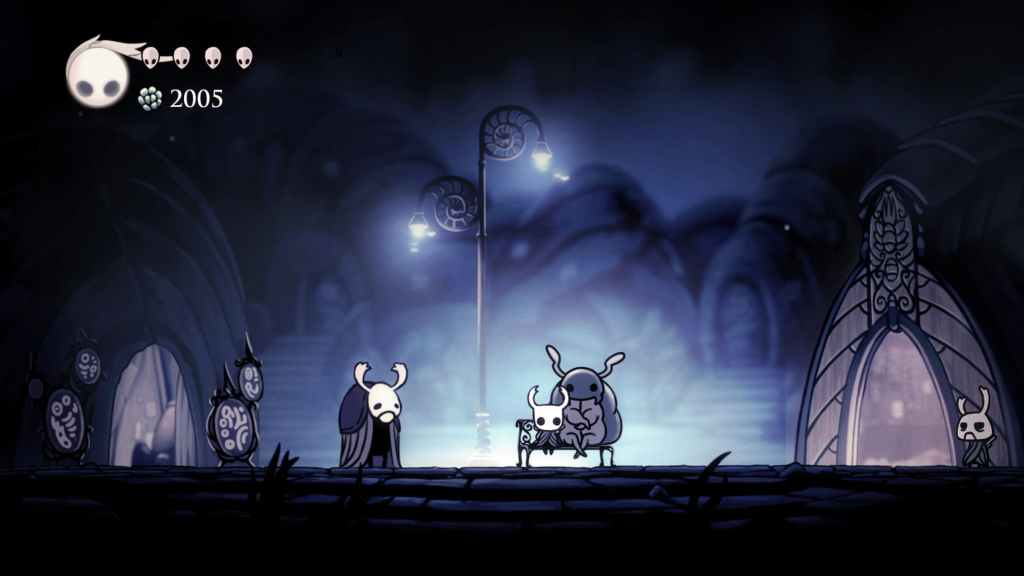
Hollow Knight’s rise to glory above other indie releases was its masterful combination of worldbuilding, challenge, and atmosphere. Created by the small Australian team at Team Cherry, it delivered Hallownest, a richly interconnected world that felt genuinely alive, even with its melancholy atmosphere. The hand-drawn art, the fluid movement, and the combat paired with deliberate difficulty created an experience that encouraged exploration rather than rushing. Its scale amazed me, especially as indie games are my favorite and I’d grown used to them being smaller experiences.
Word of mouth played a major role in its popularity. Social media conversations, livestreams, and early reviews consistently highlighted its depth and rewarding progression. Even players unfamiliar with the Metroidvania genre found themselves pulled into its labyrinth of hidden paths and optional challenges. Players had unique experiences across the game. From discovering the ambient City of Tears to the unnerving Ancient Basin, the map and world made Hollow Knight special. To this day, I remember simply sitting on a bench in the City of Tears and listening to the world beside my favorite NPC, Quirrel.
Another reason for its staying power was its emotional impact. Beneath its quiet exterior, Hollow Knight told a story of a fallen kingdom and fragmented history through environmental storytelling, item descriptions, and subtle details that were reminiscent of the soulslike genre. Many fans, myself included, spent hours piecing together lore theories after finishing the game. Its community grew rapidly, supported by fan art, analyses, speedruns, and ongoing discussions that kept the game relevant long after release. All of this showed how impactful Hollow Knight was, not just for the gaming industry, but for Metroidvania fans as well.
Hollow Knight Made Metroidvanias Mainstream

Before Hollow Knight arrived, Metroidvanias had a loyal but relatively niche audience. The genre was known for classics like Metroid and Castlevania, but outside a handful of modern entries, it didn’t break into the broader gaming spotlight. Indie developers experimented with the formula, yet few titles generated widespread attention in the mainstream press. AAA developers outside of a select few ignored the genre. Even Nintendo, one of the founders of the genre, hadn’t released a new 2D Metroid until Metroid Dread, four years after Hollow Knight. Whether Team Cherry influenced this release remains uncertain, but the timeline certainly adds up.
The success of Hollow Knight demonstrated that players hungered for deep exploration-based experiences. Its intricate map design, tough but fair combat, and sense of progression set a new standard for Metroidvanias. It revived the genre back to its greatest heights and beyond, with so many Metroidvanias released after it heavily pulling from it. Nine Sols, Blasphemous, and the upcoming Crowsworn wear Hollow Knight’s influence on their sleeves. Metroidvanias were booming again, and the genre is still going strong.
Studios across the industry leaned into the genre more boldly. A wave of new releases began appearing, even from AAA studios like Ubisoft with Prince of Persia: The Lost Crown and the more recent God of War: Sons of Sparta from Santa Monica Studio. Perhaps the biggest surprise is the revival of Konami’s Castlevania with Castlevania: Belmont’s Curse. The genre’s revitalization can be directly traced to the impact of this single release, and its influence is still visible across Metroidvanias and even leaking into other genres.
Its Legacy and the Long Road to Silksong
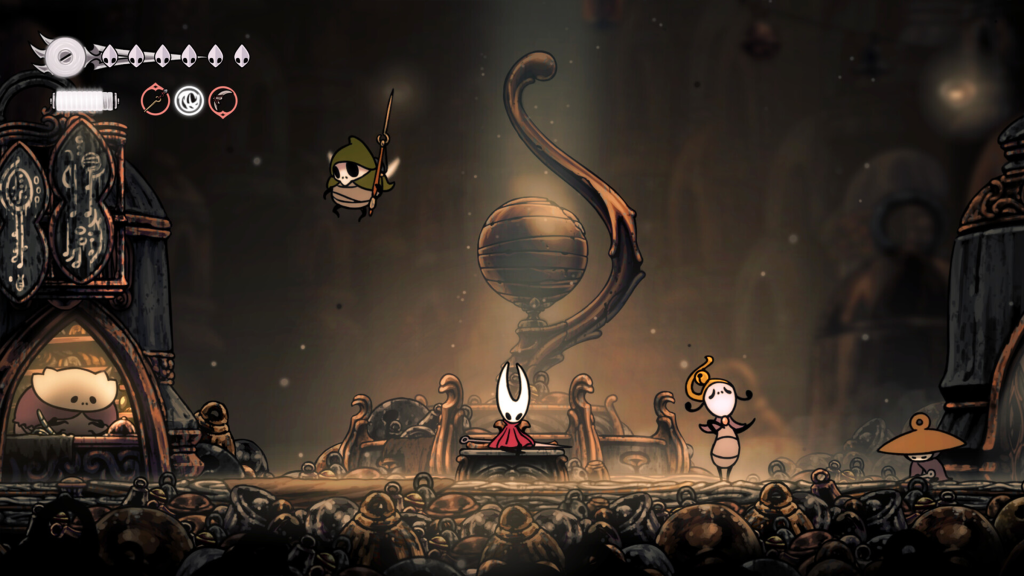
The legacy of Hollow Knight is defined not only by its achievements but also by the anticipation for its follow-up, Hollow Knight: Silksong. Its announcement sparked one of the longest and most passionate waiting periods in the history of indie gaming. Players, including myself, constantly checked for updates, spammed any video game livestream’s chat, and proudly wore our clown makeup, waiting for a release date. When Team Cherry revealed the long-awaited date, so many games altered their own release date, even non-Metroidvania games.
What’s remarkable is how Hollow Knight elevated the status of indie developers. Team Cherry became an example of how small studios can compete with AAA teams through creativity, craft, and polished design. Numerous developers have cited the game as inspiration for pursuing their own ambitious projects. Its success story continues to motivate new creators entering the industry. I do not doubt that Hollow Knight and Silksong will remain some of the most defining indie games of all time, especially as Team Cherry looks to support its latest release with DLC.
As I look back on its ninth anniversary, its accomplishments feel even more impressive. It boosted the visibility of indie games, reshaped the direction of the Metroidvania genre, and set a high bar for atmospheric worldbuilding. Since its release, indie games have enjoyed basking in the sun and have continued to prove why the genre deserves the attention it is getting today. As indie games continue to improve, they are showing why small, passionate teams are more than capable of competing with and outpacing AAA studios. Hollow Knight played a major role in this and remains one of the greatest indie games of all time.
What do you think? Leave a comment below and join the conversation now in the ComicBook Forum!
Most Viewed
-
Image courtesy of Tor Books/Macmillan -

Official art by Bastien Lecouffe-Deharme