2025 had more than its share of high-profile heaters. There were hits like Clair Obscur: Expedition 33, Hades 2, Hollow Knight: Silksong, Silent Hill f, Dispatch, Arc Raiders, and Death Stranding 2: On the Beach, just to name an incredibly small selection of the year’s largest titles. But there are always games that don’t get their time in the spotlight. It’s hard for some to compete against titles with bigger marketing budgets that can afford to hog the discourse and take over the sales charts. There’s only so much attention to go around, but these games deserve their time to shine, too.
Videos by ComicBook.com
Here are just five of the many overlooked games of 2025.
5) Despelote
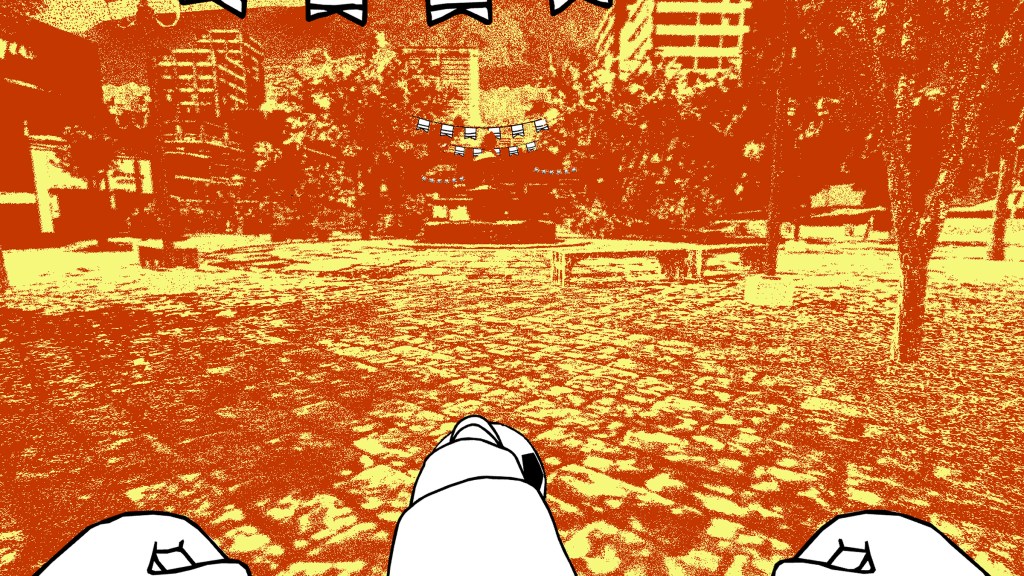
2025 had a surprising amount of soccer games, but none were like Despelote. This semi-autobiographical game sets players in Ecuador in the early 2000s as the nation’s soccer team was closing in on the FIFA World Cup. But instead of playing as one of those athletes, players take control of Julián, a young child obsessed with the sport. Soccer overtakes his daily life in ways that have him kicking a DVD of Shrek inside of a movie rental store and booting bottles in the nearby neighbor’s yard. His mind imagines soccer even when a ball is not physically in front of him.
It’s a small slice-of-life that views a real-world event through the eyes of a young child as the country grapples with this team as well as their complicated real lives, much of which goes over Julián’s head. But it’s these ambient conversations and events that fill out the game and breathe more life into it. It’s admittedly not mechanically complex and lacks a strong finale, but it’s a unique experience that sticks out in a sea of shooters and Soulslikes.
4) Labyrinth of the Demon King

Few games hate the player as much as Labyrinth of the Demon King. This horror-soaked dungeon crawler takes cues from the Silent Hill with its dank, crusty environment that uses chunky pixels and darkness to obfuscate its halls. Combat is also a chore because a stingy stamina meter means players can’t hack away at the wretched creatures skulking around. A poorly timed swing can spell doom and send players back to the last save point. There’s also, fittingly, an unkillable demon that can show up in certain areas and make everything that much harder.
Labyrinth of the Demon King is often prickly, but that’s part of its appeal. It’s a scary game, so this level of uneasiness is par for the course. Having to run through this labyrinth with only a small torch and a busted sword and retreading pathways to find keys should be crushing and the opposite of a walk in the park. Constant enemy respawns make this process a bit more tedious than it should be, but they don’t ruin this stressful experience.
3) Revenge of the Savage Planet

Revenge of the Savage Planet doesn’t fit cleanly into one genre, which makes it hard to sell. It’s a comedic, exploration-focused action game where players scan objects and buy upgrades so they can scan and shoot more effectively, making it like a Metroid Prime game by way of Tim and Eric Awesome Show, Great Job!. Goofy, live-action commercials poke fun at the game’s hypercapitalist world, a vivid array of alien planets, and slapstick physical humor make Revenge of the Savage Planet a charm to play through, but the loop of scanning and upgrading is a simple yet effective loop that give the game more meat. The fluid movement plays a key role in this since it escalates to the point of being able to triple jump and grapple anywhere.

While obtrusive objective markers diminished the thrill of exploration at launch, one of the handful of substantial post-launch updates made them optional and meant players could better experience the joy that comes with figuring things out. And thankfully, Revenge of the Savage Planet doesn’t hide this feeling behind 120 hours of fluff and hundreds of meaningless quests. It’s a tightly paced game that lets players experience the satisfaction of exploration in around a dozen or so hours, which is not common for the medium. More games should be this silly and respect the player’s time.
2) Wanderstop
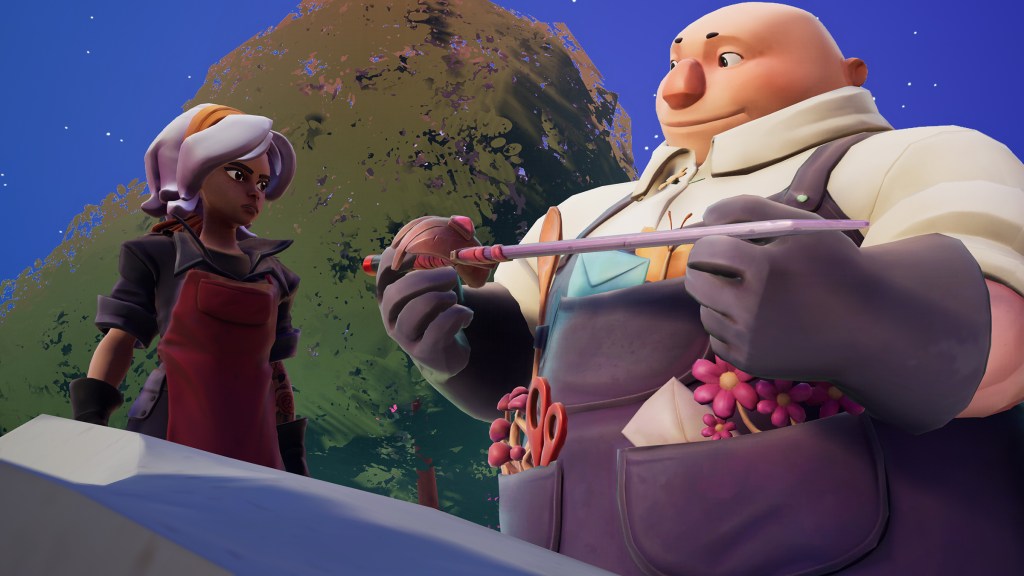
Burnout is a crushing affliction that can demoralize anyone from a grocery store worker to a game director. Davey Wreden, most known for his work on The Stanley Parable and The Beginner’s Guide, made the latter blatantly clear in Wanderstop. This game about making tea gives off the impression of a regular cozy game with its soft color palette and whimsical aesthetic, but it’s an introspective look at Wreden’s psyche since developing the two aforementioned titles, something he’s repeatedly said in interviews after Wanderstop’s launch.
It dives into burnout and how hard it is for some to turn off their anxious brain, especially when faced with setbacks. The mechanics of actually brewing tea are simple enough to be soothing yet thoughtful enough to be engaging, but they aren’t the star of the show. It’s how the game speaks to the mental state of someone going through it without talking down to players or, more importantly, being overly reductive and overly twee. So while there are parts of the writing that are hilarious and thoughtful in other ways, it’s this mature take on a real problem that makes Wanderstop an experience worth cherishing.
1) Metal Eden
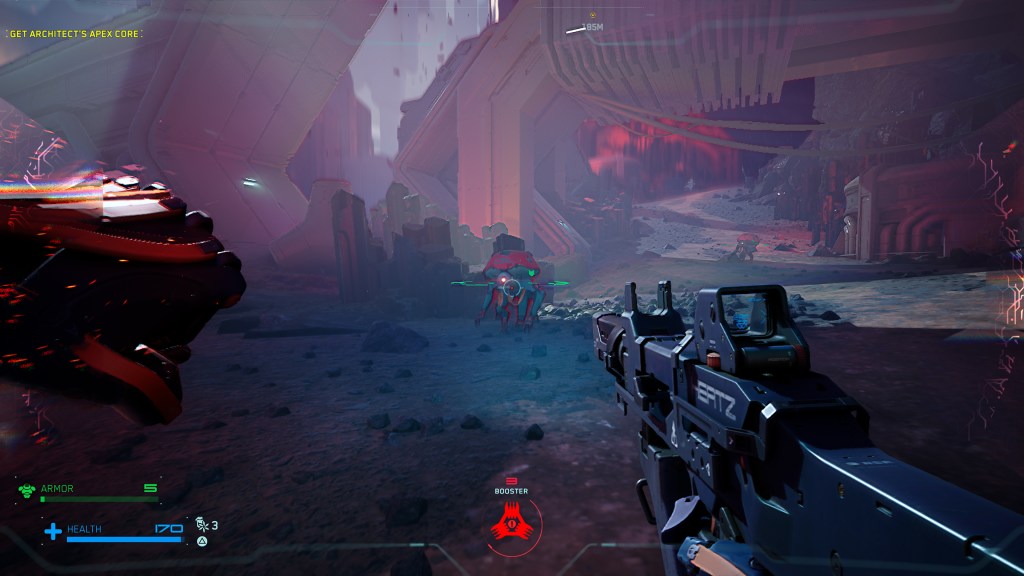
The AAA market has shifted away from fast-paced, single-player first-person shooters, but small games like Metal Eden show that the genre is alive and well. This cyberpunk shooter takes the Glory Kill system from the recent DOOM games (but not all of them) and expands upon it to great effect. A weakened foe’s core can be ripped out and absorbed or launched like a grenade, yielding health and a superpowered, armor-shattering punch or an explosive that’s handy in a pinch. Players are constantly forced to make these types of decisions on the fly in order to stay alive since a small ammo pool and deadly enemy robots make staying still and using the same guns a losing strategy. Dashing through the arenas and knowing when to switch weapons is vital for survival.
It is cleverly designed to make players play quickly and skillfully in order to show the game in the best way possible, and the onslaught of useful upgrades and more complex enemy patterns only makes this delicate dance even more thrilling. Such a loop demonstrates that first-person shooters don’t need loot or multiplayer in order to be worthwhile; they just need rock-solid mechanics and an appealing visual style.
What do you think? Leave a comment below and join the conversation now in the ComicBook Forum!
Most Viewed
-

Image Courtesy of MAPPA -

Image courtesy of Marvel Studios