JRPGs have long been associated with turn-based combat, long menus, and carefully measured pacing. But not every game in the genre follows that path. Some developers have embraced the allure of action, real-time combat while still delivering the deep stories, and complex character growth that make JRPGs so beloved. These games prove that you don’t need a battle grid or turn order to get a truly satisfying role-playing experience.
Videos by ComicBook.com
These 5 JRPGs show that action and strategy can coexist beautifully, without need to utter the words “your move”. They challenge your reflexes and still managed to keep you invested in their characters and stories every step of the way. If you think JRPGs are only about careful planning and waiting your turn, it’s time to see how thrilling the genre can be when the battles are active and full of surprises you don’t have time to blink on.
5. Tales of Arise

Tales of Arise refines the long-running Tales series formula into a whirlwind of flashy moves and magic that practically dances across the screen. Combat is fast, responsive, and addictive, making you feel like a superstar juggler of blades and fireballs. Every encounter rewards skillful timing and the occasional “oh wow I didn’t think that would hit” moment. Enemies have quirks and patterns that keep you on your toes, ensuring no fight ever feels repetitive.
The story and characters remain central, with emotional arcs that give your heart a workout while your fingers stay busy chaining attacks. Exploration is a joy, full of side challenges, hidden bosses, and secret treasures that reward wandering eyes and daring adventurers. Every corner of the world tempts you to experiment with skills, and you quickly realize that creativity is as powerful as reflexes. Combat and narrative dance together in a way that feels choreographed yet unpredictable. If that sounds interesting, a demo is available on Steam to try, to get your feet wet.
4. Nier: Automata
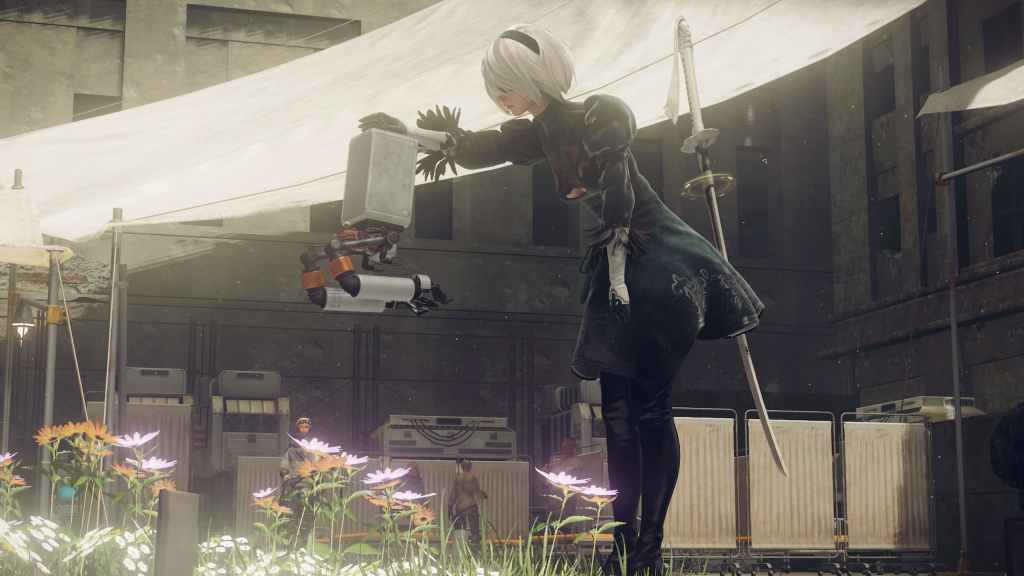
Nier: Automata drops you into a bleak post-apocalyptic Earth, where humanity is hiding on the moon and androids fight robot armies to reclaim it. You control androids 2B, 9S, and A2 as they wade through wastelands, ruined cities, and robot factories while philosophical questions about identity and purpose crash into you with every sword swing. Combat is fast and absurdly cinematic, shifting seamlessly between 3D melee and bullet-hell shooting sections that feel like a video game fever dream.
Side quests add extra layers of strangeness, from rescuing toy-like machines who beg you to destroy them properly to hacking networks in pseudo-cyberpunk mini-games. Boss fights are typically over the top, often changing shape, attack patterns, and even dialogue mid-fight, making you adapt constantly. The wasteland is a backdrop for the tone of the game and it is full of secrets that reward exploration with glimpses of hidden lore and new gameplay quirks. By the end, your fingers are exhausted, your brain is full, and your heart might be oddly philosophical. No spoilers, but you’re in for a treat narratively with this one.
3. Xenoblade Chronicles 3

Xenoblade Chronicles 3 casts you into Aionios, a land where war between nations unfolds across endless rolling plains and colossal dungeons. Combat is a symphony of real-time strategy: character switching, timed skills, positioning, and massive chain attacks combine to create epic battles against enormous bosses, each bigger than your imagination. Enemies range from towering mechs to colossal beasts, and knowing when to unleash special abilities or swap units is the difference between a glorious win and an embarrassing wipe.
Exploration in Aionios is equally breathtaking. Hidden valleys and dynamic events pop up unpredictably. Secret quests offer bizarre challenges like dueling rival armies for rare items or uncovering mysterious energy crystals that hint at ancient civilization secrets. The synergy system encourages creative experimentation, chaining abilities in ways that feel like improvising a jazz solo while standing in a battlefield. The world invites curiosity and rewards the bold, making every excursion feel simultaneously massive and intimate.

2. Ys VIII: Lacrimosa of Dana

Ys VIII: Lacrimosa of Dana throws you onto a mysterious island full of monstrous wildlife and ancient secrets. You control Adol and Dana as they hack and slash through the terrain in fast-paced, real-time combat. Each character’s abilities flow seamlessly together, letting you juggle combos, dash attacks, and elemental skills in a way that feels like a nonstop rhythm game disguised as a JRPG. Boss encounters demand precision, forcing you to learn attack patterns while navigating environmental hazards, and clever use of jumping crowd control often decides victory.
Exploration here is as thrilling as the fights. The island is a true mystery land riddled with caves, treasure, and relics that require the occasionally backtracking with new abilities to uncover. Side quests range from rescuing stranded NPCs to hunting gigantic sea monsters, and the combination of platforming and puzzles keeps the standard combat pacing somewhat unpredictable.
1. Elden Ring
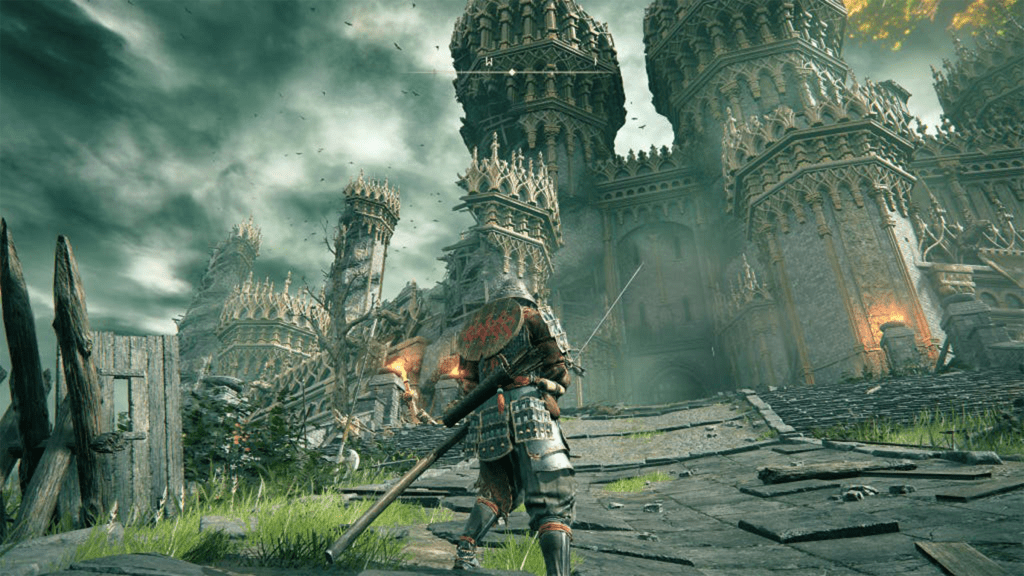
Elden Ring might be known as a Souls-like, but its combat is a masterclass in action JRPG philosophy. You traverse the Lands Between, facing gigantic bosses, cursed spirits, and cryptic NPCs while weaving your way through huge dungeons and devastated fortresses. Every encounter demands attention, as even with power, the simplest mistakes can spell your doom quickly. Spamming attacks or rolling indiscriminately gets you killed in inventive ways. The world rewards exploration, with hidden bosses, expansive lore, and epic loot tucked into the darkest of pits.
There’s a ton to experiment with here for building your own character. Magic, weapon arts, and summoned spirits allow experimentation in every fight, blending classic JRPG mechanics with a brutal, reactive action system. Environmental storytelling is a central aspect of the experience and is pretty much present everywhere right from the beginning. There are collapsed bridges hinting at old wars to eerie forests bathed in raw madness that test your resolve. Every corner hides a sense of possible danger, reward, and occasionally pure absurdity. The sheer scale of this adventure, combined with its interconnected systems paint well that real-time JRPGs can be as thrilling and chaotic as the turn-based classics.
What do you think? Leave a comment below and join the conversation now in the ComicBook Forum!
Most Viewed
-

Sony Pictures -

Courtesy of Crunchyroll -

©Tsuyoshi Takaki/Shueisha, Project BLACK TORCH -

Image Courtesy of Marvel Comics