Hogwarts Legacy was a fantastic first step into a new era of Wizarding World games. It nailed the feeling of attending Hogwarts, wandering its halls, and living out the fantasy fans have had for decades, but one thing it really failed at was being an actual quality RPG. That may sound controversial considering the game’s fantastic reviews, but that was because it was a Harry Potter game, and the game industry rarely gets good Harry Potter games.
Videos by ComicBook.com
A considerable amount of Hogwarts Legacy’s flaws were brushed aside because the experience was still enjoyable overall. With a sequel on the way, these issues can no longer be ignored. If Hogwarts Legacy 2 wants to truly feel like the magical RPG fans have always wanted, these are the seven biggest areas it needs to fix.
7. Magical Beasts Need to Feel Like Part of the World, Not a System
Avalanche Software
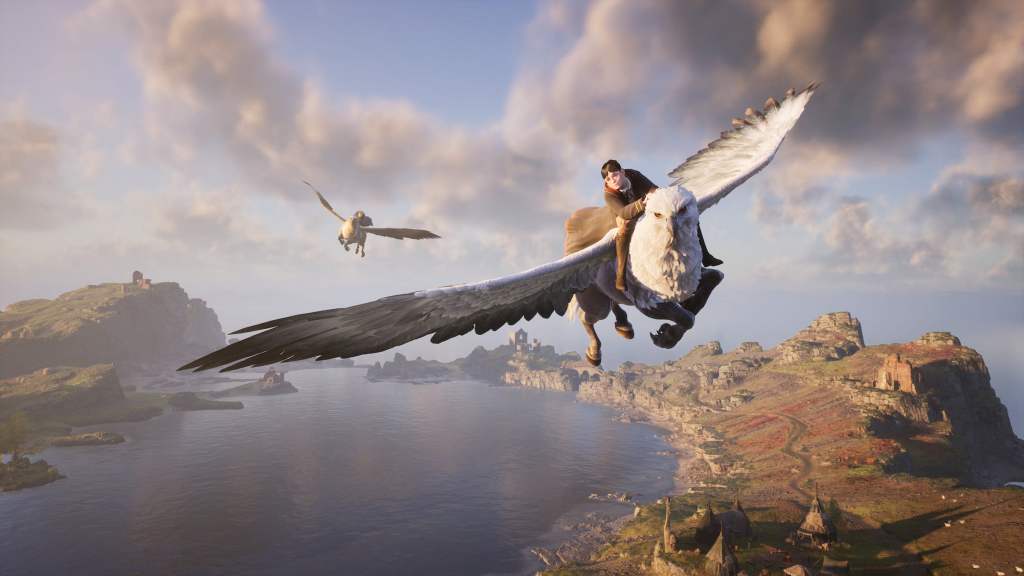
The magical beasts system in Hogwarts Legacy felt like a missed opportunity wrapped in a great idea. While rescuing creatures and caring for them was initially charming, it quickly became clear that beasts existed primarily as a material farm. Players captured creatures, placed them in vivariums, and harvested resources with very little emotional or narrative payoff. For a world where magical creatures are deeply tied to lore and wonder, this approach felt about as shallow and mechanical as they come.

Hogwarts Legacy 2 needs to treat beasts as living parts of the Wizarding World. Creatures should be tied to meaningful quests and environmental storytelling. As a result, encounters in the wild should be tense and memorable, not routine. Encountering a thestral or unicorn in the wild should be a dramatic experience, not one that you get used to. This is how Hogwarts Legacy 2 should handle things. Players should learn why certain creatures matter and how they impact the world around them, not which resources they harvest into. Magical beasts should inspire curiosity and respect, not feel like another box to tick on a crafting checklist.
6. Gear and Loot Must Stop Feeling Disposable
Avalanche Software
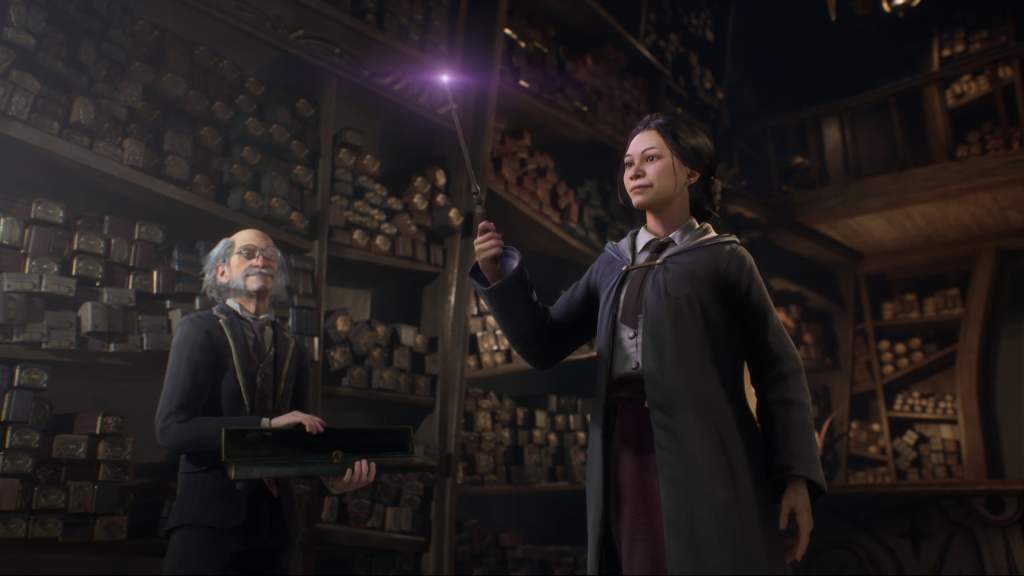
Loot was everywhere in Hogwarts Legacy, yet almost none of it mattered in any meaningful capacity. Players were constantly swapping out cloaks, gloves, and outfits based on stat increases that barely affected gameplay. Granted, the visual variety was nice, but mechanically, gear felt completely interchangeable and forgettable. Even legendary items lacked identity, which made exploration rewards feel hollow instead of exciting.
A sequel needs to fully commit to being an RPG instead of the RPG-lite-lite Hogwarts Legacy released as. Gear should meaningfully change how players approach combat, defense, and spell usage. Certain items should support specific playstyles, encourage experimentation, and reward long-term investment. Finding powerful gear should feel memorable, not like another quick menu comparison before moving on. If Hogwarts Legacy 2 wants players to care about loot, it has to make loot worth caring about, and that’s it.
5. The Main Story Needs to Be Stronger Than the Side Content
Avalanche Software
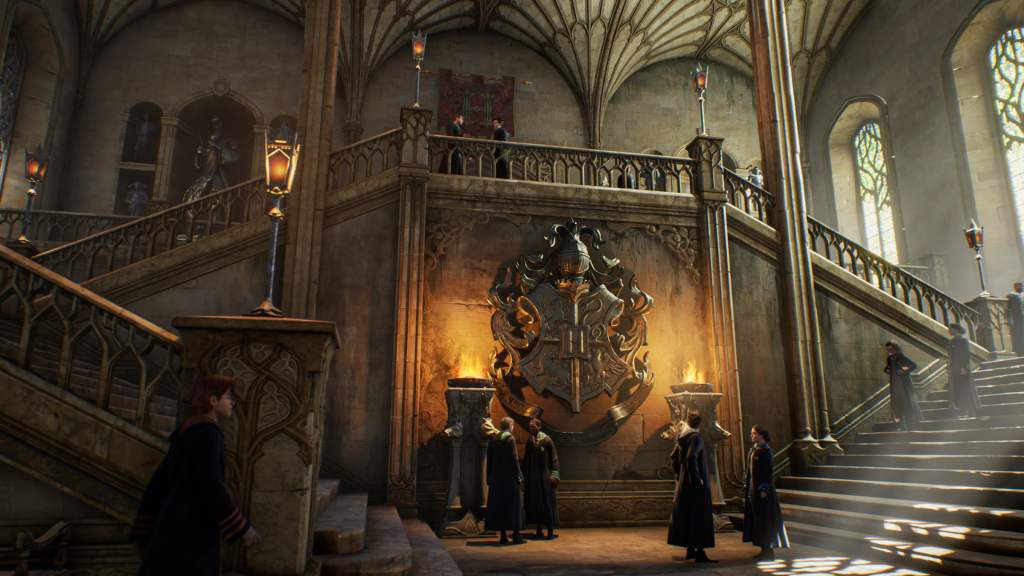
One of the most frustrating aspects of Hogwarts Legacy was how often the game’s side quests completely outshone the main narrative. Optional storylines, like Sebastian Sallow’s entire questline, delivered significantly better character moments and emotional beats than the central plot. Meanwhile, the main story struggled to maintain any level of urgency and lacked greatly in payoff, despite dealing with themes that should have felt massive.
Hogwarts Legacy 2 needs a main quest that commands attention from start to finish. The core narrative should feel threatening and deeply connected to the player character’s journey. Major story moments should linger emotionally and carry real consequences. Anyone who witnessed Sebastian’s darkest moments during his questline should understand what’s meant by this. The sequel has the chance to tell a truly unforgettable Wizarding World story if it commits fully to its narrative ambition, and not just a side-quest to the side quests.
4. Difficulty Should Demand Mastery, Not Just Progression
Avalanche Software
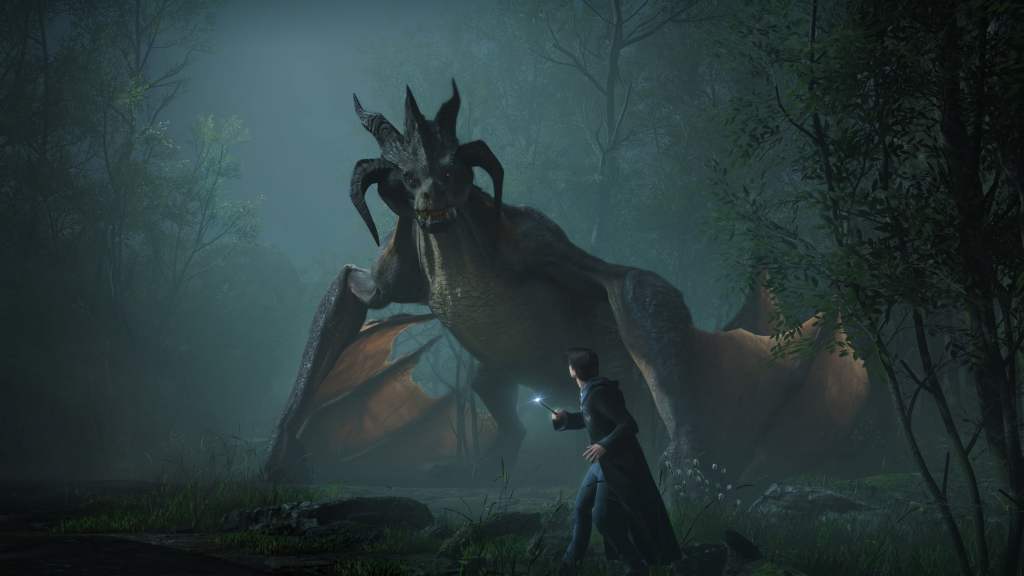
Even on its hardest difficulty, Hogwarts Legacy rarely pushed players to their limits. Once enough spells and upgrades were unlocked, combat became completely predictable and forgiving. Many items completely trivialized encounters, too, like the Edurus Potion, which made you invincible for long periods of time. Enemies rarely forced players to adapt to anything, which drained tension from battles and made progression feel automatic rather than earned.
Hogwarts Legacy 2 needs to rethink difficulty as a core design pillar. Enemies should be more aggressive, more reactive, and better equipped to counter player strategies. Dark Wizards should not be casting only one or two spells, and fit neatly into archetypes for the play to remember. A higher difficulty should reward careful spell selection, positioning, and timing. Combat should challenge players to truly master magic instead of relying on a comfortable routine of matching the colors. When danger feels real, victories become far more satisfying.
3. Forbidden Curses Must Actually Feel Forbidden
Avalanche Software
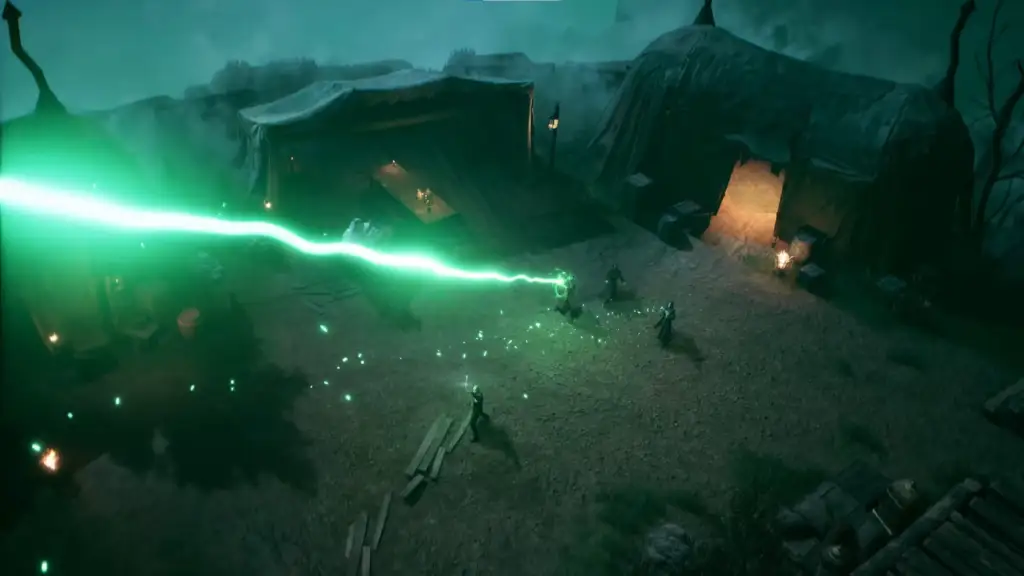
Forbidden Curses are some of the most iconic and terrifying elements of the Wizarding World, yet they were barely present in enemy encounters. Outside of scripted moments, enemies never used them despite you, a student at Hogwarts, being able to cast them anytime you want, at will, with absolutely no consequences whatsoever. These two things combined made dark magic feel strangely sanitized. That absence removed the tension of consequence from encounters that should have felt morally and mechanically dangerous.
Hogwarts Legacy 2 needs to let dark magic breathe. Enemies using Forbidden Curses should be a genuine threat that forces players to adapt and react under pressure. If you watch any of the late-game movies or read the books, Avada Kedavra, the Killing Curse, was used on a consistent basis by the antagonists. In the lore, as the name suggests, if this curse hits you, you instantly die. This needs to translate into Hogwarts Legacy 2 as well.
Forbidden curses should feel powerful and frightening, reinforcing their narrative weight. Most important of all, they should exist for the enemy to use outside of scripted moments. When dark magic enters the battlefield, the tone of combat should immediately shift. That sense of danger is essential to making the world feel alive and unpredictable.
2. Exploration Needs Meaningful Payoffs, Not Empty Spaces
Avalanche Software
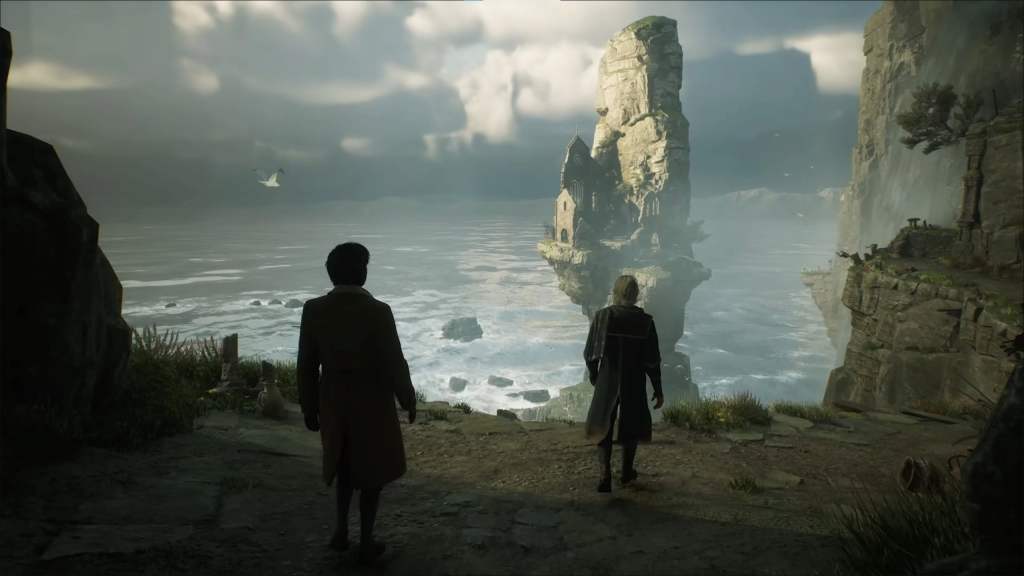
Hogwarts Legacy’s world was visually stunning, but too often exploration led to disappointment. Many caves, ruins, and dungeons followed the same extremely basic pattern, offering little more than a short walk and a single chest. After several hours, exploration began to feel like busywork rather than discovery. It was not at all engaging.
The sequel must reward curiosity with substance. Exploring off the beaten path should uncover unique challenges, hidden stories, and locations that feel handcrafted. This is the Wizarding World we’re talking about. There’s so much lore to back up exploration that it was shocking Hogwarts Legacy did not capitalize on it. Hogwarts Legacy 2 should make exploration feel like uncovering secrets of the Wizarding World, not clearing icons from a map. When players choose to wander, the game should respect that choice with experiences that feel worth their time. That’s what makes an open-world game a good one.
1. Enemy Variety Needs to Make Combat Feel Intelligent and Dynamic
Avalanche Software
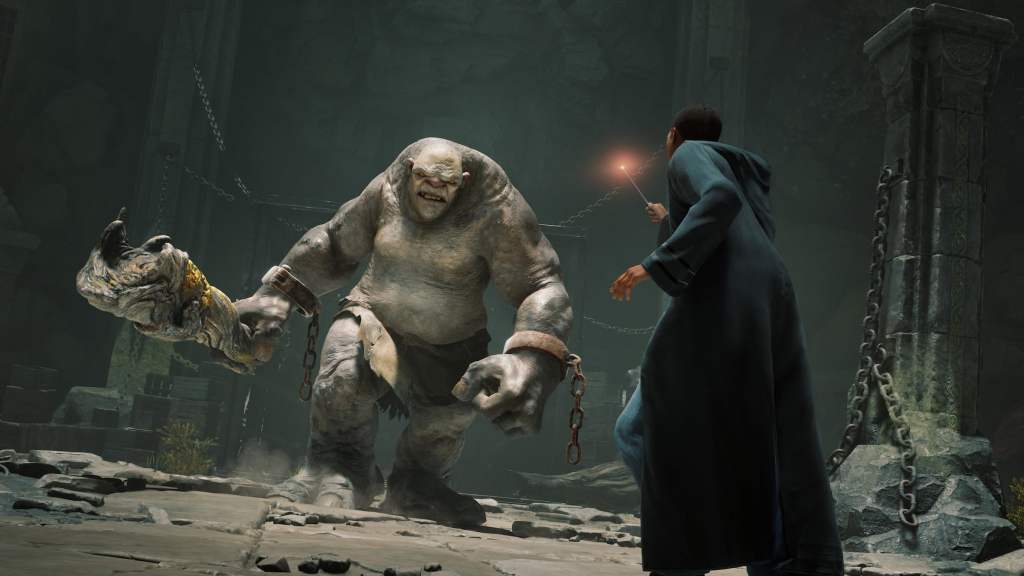
Enemy encounters were arguably one of the weakest parts of Hogwarts Legacy by far. Not only did players often face the same enemy types repeatedly throughout the entire game’s run, but they were often grouped together in ways that made little sense. A wolf and a spider sitting right next to each other, in the middle of nowhere, not moving or doing anything until you, the player, get close. It was silly and totally illogical. Needlessly to say, combat became predictable, and encounters lacked the tactical depth needed to keep battles engaging over time.
Hogwarts Legacy 2 must dramatically improve enemy variety and encounter design. Enemies should exhibit smarter behaviors and logical groupings that complement each other. Combat should constantly challenge players to adjust their approach instead of relying on familiar tactics. When enemies feel intelligent and reactive, every fight becomes more engaging, and engaging is what is desired when playing a video game.
What do you think? Leave a comment below and join the conversation now in the ComicBook Forum!
Most Viewed
-

Image via Prime Video -

Courtesy of Lionhead Studios -

Courtesy of Toei Animation