The Legend of Zelda has been an enduring part of gaming for decades, with the fantasy epic’s first entry serving as one of the best games on the Nintendo Entertainment System. The series has only grown more ambitious with time, with dozens of titles that span various eras of the land of Hyrule. The somewhat ambiguous nature of the series’ lore has only added mysteries to the franchise, with plenty of fan theories growing over time.
Videos by ComicBook.com
Some of the best of these theories completely change how fans engage with the mythology surrounding Link, Zelda, and Ganon. Some suggest that there are still secrets hiding in plain sight, while others offer bittersweet conclusions to otherwise open-ended stories. Here are five of the best Legend of Zelda fan theories and what they mean for the overall story of the franchise.
Navi Dies At The End Of Ocarina Of Time
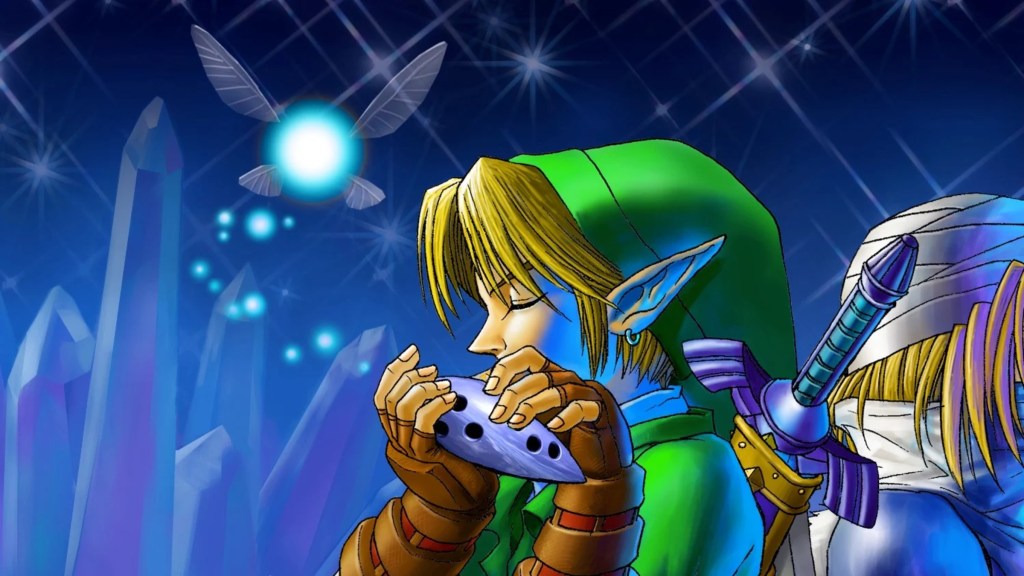
Navi has become one of The Legend of Zelda‘s most memorable side characters, for good and for ill. While Navi plays an important role in the narrative of The Ocarina of Time as Link’s guide to the larger world of Hyrule, many players grew frustrated with her interruptions and prescene in the battlefield. However, those players might be saddened to know that Navi’s true arc in the story doesn’t come with a happy ending.
After defeating Ganon and returning to his proper place in the timeline, Link is given one last farewell by Navi before she flies away into the light. Some fans theorize this is because fairies like Navi only have a short life span, and that she has spent all of her energy helping save Hyrule. Hoping to spare Link the tragedy of her death, Navi disappears. It adds a bittersweet edge to Ocarina of Time, and makes Link’s search for her in Majora’s Mask all the more tragic — and tonally in-tune with that game’s thematic exploration of grief.
Ganon Isn’t The Reincarnation Of Demise
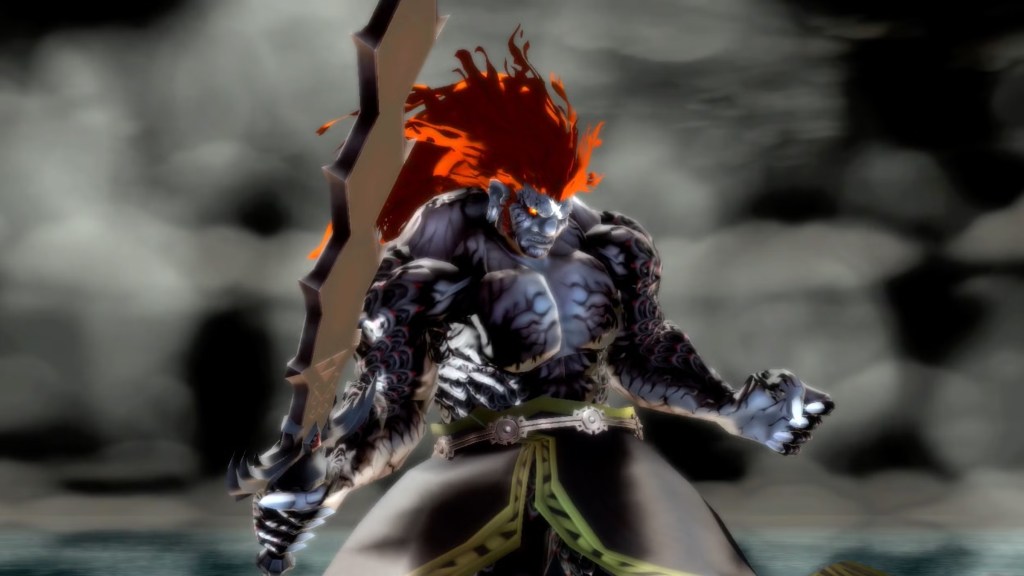
Skyward Sword was a major origin point for The Legend of Zelda, delving more into the origins of Hyrule and the Master Sword. It also established Hylia as the immortal guardian of the land, establishing a reincarnation cycle for her and her champion that connects all the otherwise disparate entries in the series. The villainous Demise also vows reincarnation, with the games largely implying this is the true origin of Ganon.
However, some fans theorize that Ganon isn’t actually Demise reborn, and that he is instead a spiritual successor to the villain only. This is why some games leave Ganon behind to give Link and Zelda other foes (like Majora, Null, and Vaati) instead of reincarnating him each time. Instead, the theory argues that Demise’ present-day form is Shadow Link, a consistent enemy that haunts Link and outright challenges him in several games. This suggests that Demise is present as the true dark mirror of Link instead of the power that fuels Ganondorf. While the dark wizard has been confirmed to have resurrective qualities, this theory positions Link’s worst impulses and self-doubt as his true “demise.”
Link And Maron’s Descendant Is The Hero Of Twilight Princess
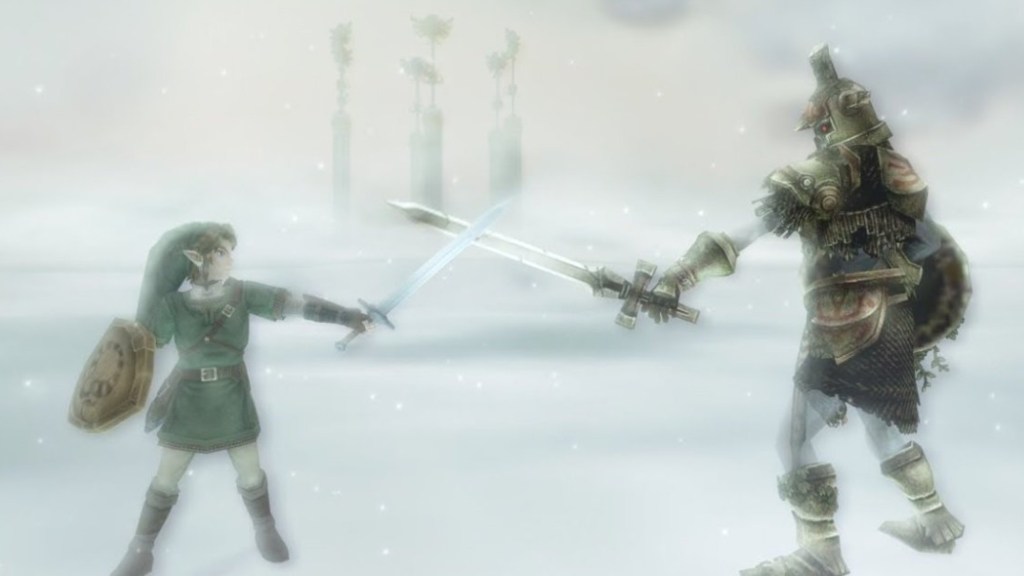
A long-standing theory from The Twilight Princess was the idea that the Hero’s Shade was the lingering spirit of the Ocarina of Time Link. This was seemingly confirmed by the Hyrule Historia. However, the fan theory has also been expanded to suggest that the Hero of Time is the direct ancestor of the Link who appears in The Twilight Princess, hoping to finally pass along his combat skills to a worthy heir.
The theory also suggests that the Link of Ocarina of Time ended up marrying Maron, the farmer’s daughter he befriended during the game. While Link theoretically had lots of love interests in that game, Link’s descendants seemingly being a part of a farming community with a penchant for horses suggests that Link became part of a larger farming community — which would also explain why the great warrior eventually felt that his talents for combat were left by the wayside. It gives a somber edge to the idea that every Link is a different one, hinting that their eventual canon deaths aren’t truly the end of their stories.
Breath Of The Wild Brings Together Legend Of Zelda’s Different Timelines
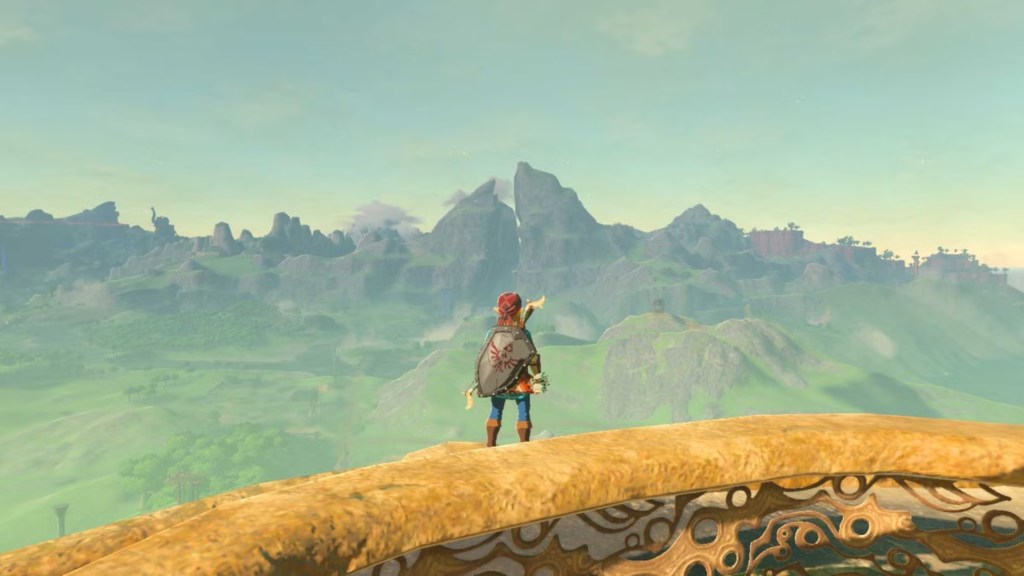
While Hyrule Historia confirmed that there are three distinct timelines in The Legend of Zelda universe, it’s not always clear which games are part of which timeline. This is especially true for Breath of the Wild and Tears of the Kingdom, both of which take place in a distant future compared to other entries in the series. There are clues throughout them that could theoretically connect them to the Doomed Hero, Child Hero, or Adult Link timelines.
Due to the time-loop nature of Tears of the Kingdom‘s narrative, some fans theorize that this distant future setting for the games is purposefully ambiguous because it’s actually the canon ending for all three timelines. In this theory, Zelda is trapped in an eternal timeloop that brings her from the end of the timeline to the very beginning. The realities may splinter, but they are all connected via this time-paradox of Zelda becoming the timeless and ageless dragon. As such, they all eventually reach the same point where the events of Breath of the Wild and Tears of the Kingdom happen, suggesting that the branching Zelda multiverse does eventually reset into effectively one shared future.
There Is A Fourth Piece Of The Triforce
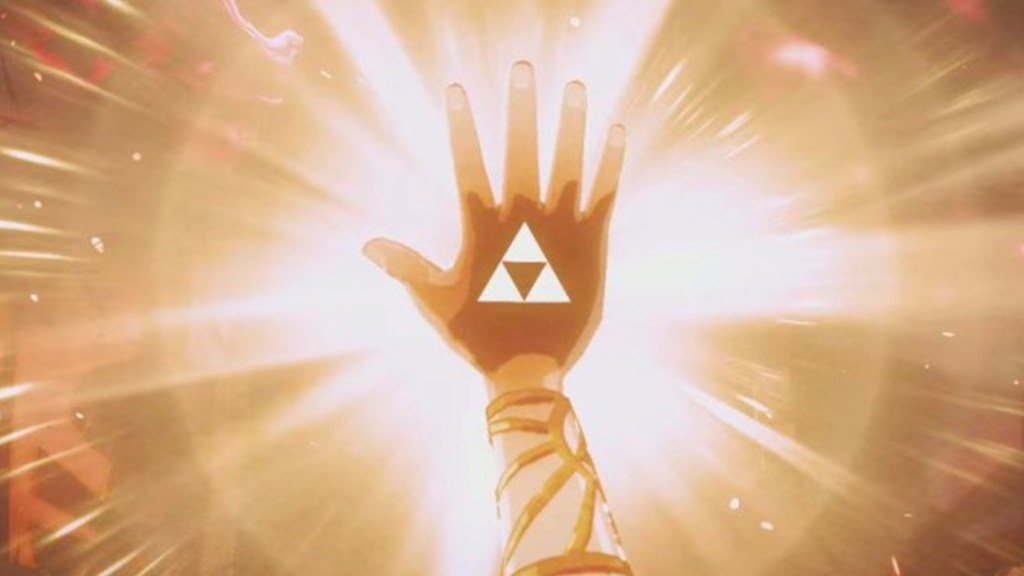
One of the most pervasive theories about The Legend of Zelda is the suggestion of the existence of a fourth piece of the Triforce. The holy relic of the Goddesses left behind in their wake, the Triforce is a powerful object that can grant the wishes of the wielder. Link, Zelda, and Ganon have long been established as the three destined to claim the Triforce, but some fans believe that the franchise specifically leaves the middle of the Triforce symbol open to make room for a final fourth piece of the puzzle.
The exact nature of this fourth piece, dubbed the “Tetra Force” by fans, has been debated for years. Some argue that it is representative of Hylia or another unknown god, who serves as the Goddess of Time. Others suggest that the empty space serves as a symbol for Demise or some other dark deity, a void left in the creation of the holy object. A few fans even theorize that the fourth piece of the Triforce is the player themselves, breathing life into each new Legend of Zelda title. It adds a meta level to any player’s experience in Hyrule and offers fans another mystery to try and unlock.
Most Viewed
-
Image Courtesy of Ufotable -
Image Courtesy of MAPPA/Bandai Namco Pictures