The story of Overwatch is somewhat tragic, with one of the biggest hero shooters of all time slowly declining over a failed sequel launch and several disputes with its own community. Despite its ongoing popularity, the short-lived Overwatch 2 required a total overhaul to recapture a solid audience after years of lackluster updates that drove fans away. Controversy after controversy surrounding Overwatch has been well-documented, but new details shed previously unknown lights onto the game’s internal failings.
Videos by ComicBook.com
On a podcast with computer scientist Lex Fridman, former Overwatch co-creator Jeff Kaplan provided long-hidden context to the internal struggles of the hero shooter during his days as director of the live service title. This included clashes with internal forces at Blizzard Entertainment, regrets at some parts of Overwatch‘s content growth, and information regarding new projects Kaplan was working on. While his comments on Overwatch are incredibly objective based on his point of view, they still shine on key topics that may affect other live service titles even now.
5. Excitement For Overwatch League Set Too Many Unrealistic Expectations
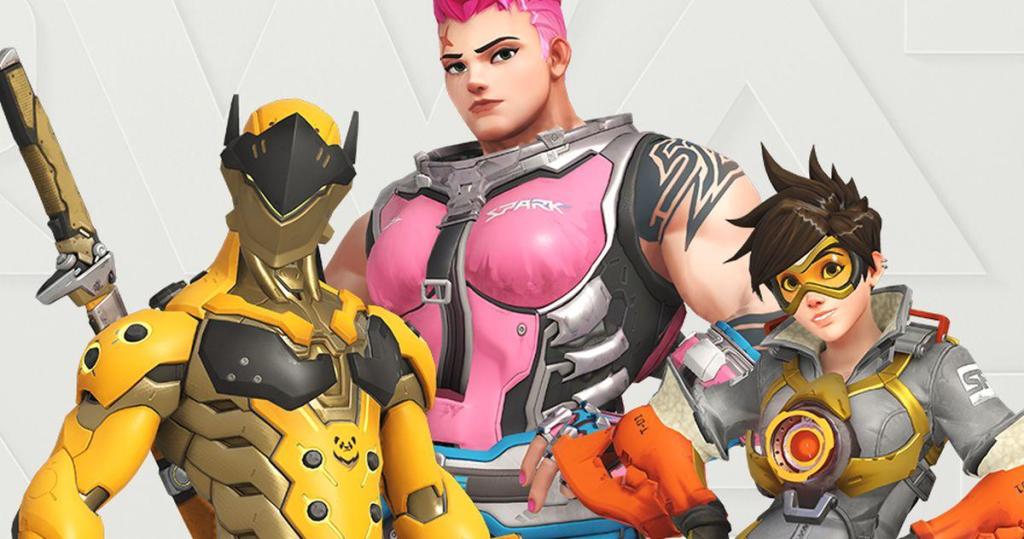
The esports initiative from Overwatch, Overwatch League, was a strong foray into the professional elements of the hero shooter with its competitive community. However, according to Jeff Kaplan, it was a program that was over-promised when it came to its lasting value. In his words, “there was a lot of excitement around Overwatch League, like too much,” and “it got overmarketed to the people buying the teams.” Despite the success that initial parts of Overwatch League had, it was too focused on being profitable (a theme you’ll see throughout this List).
To spread Overwatch League’s promise, Jeff claims that many were told “that Overwatch League was going to be more popular than the NFL” in some cases. This caused people to over-commit to Overwatch in ways were it created direct interference with the game itself, turning the esports side into one that directly influenced development. Although features like Twich integration, spectator cameras, and skins for professional teams would be well-received by fans, they took away vital resources from further game refinement over time.
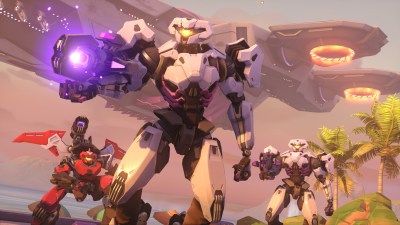
This constant focus on new Overwatch League content meant that the Overwatch team couldn’t spend their time developing Overwatch 2 features, such as the highly requested PvE mode that would be infamously cancelled in the future. The emphasis on “let’s make lots of money really fast” from Overwatch League was set as a priority from investor expectations, most of whom were from outside Blizzard or Activision. According to Jeff once again, “all your plans at that point kinda go out the window,” as Overwatch sunk more to the esport promises it had made.
4. Reliance On Team-Focused Mechanics Took Away From Individual Contribution

Another point Jeff Kaplan made was regarding the team structure of Overwatch, which became the cornerstone of its creation. Although the team-focus of the game was arguably its most celebrated part, Jeff remarks that there was far less incentive for individual performance within Overwatch‘s core systems. The reliance on team synergy was huge, and remains to be a large part of the game today, but it tends to lead on players turning on each other when things go wrong.
This may have contributed to the infamously “toxic” community Overwatch developed as it continued, a trend seen in other hero shooters like Marvel Rivals today. Even when integrating a medal system for players to reward each other in Overwatch, Jeff comments that this mechanic became weaponized to point fingers at others on a team. Collaboration and cooperation will always be necessary in hero shooters, but the over-reliance for strangers to work together may have fostered cynical approaches to unity that matched League of Legends‘ notorious community pitfalls.
3. Initial Overwatch 2 Pitches Came At The Wrong Time
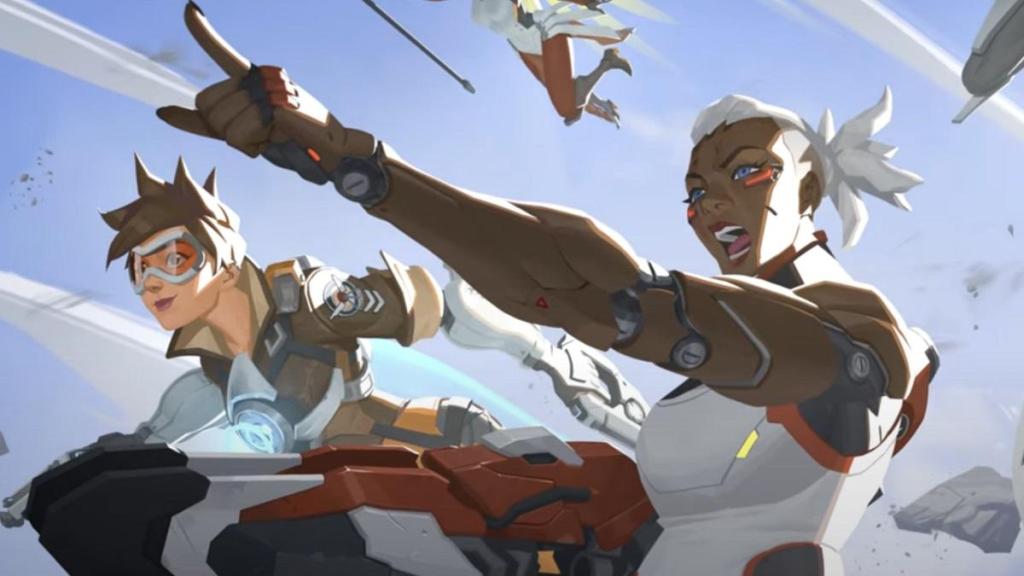
Another detail shared by Jeff Kaplan was that the initial pitch for Overwatch 2 was done around the same time Overwatch was about to ship. This promise of a sequel before the first game was ever even presented to players was bold, but not unrealistic considering the scope of Overwatch‘s success back in 2016. That being said, it was the features promised in a potential Overwatch 2 that constantly created pressure that made it hard to refine the first Overwatch as the wave of its success grew bigger and bigger.
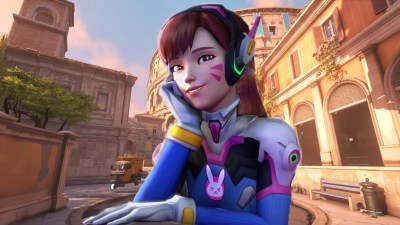
Momentum for Overwatch almost worked against it, as it invited questions about when Overwatch 2 would be made with pitched features, such as the PvE mode mentioned earlier. This also led to an internal division within Blizzard, with some developers preferring to “create their own experiences” and weren’t as involved in the game’s PvP content. With Blizzard and Activision having more expectations for a sequel release window based on those pitches, made-up time frames set early promises as fact without a clear roadmap.
Although this is fairly speculation based on Jeff Kaplan’s words alone, the idea of executive pressure is nothing new to live service games. The recent failure of titles like Highguard and Concord show that hero shooters are subject to many internal pressures. So, despite enthusiasm for fresh features to Overwatch in its sequel, the idea of that follow-up title made it hard for the ongoing game to stay consistent with its audience during its prime.
1. Blizzard’s Demands Were Downright Self-Sabotaging At Different Times

While the final comments Jeff Kaplan says during the interview could be false from a personal perspective, statements made during the podcast suggest that Blizzard themselves were the biggest architects behind Overwatch‘s decline. This is hardly new information for players who’ve been blaming Blizzard for years, but Jeff’s account of his experiences shed new light on exactly why this could be the case. Based on conversations with Blizzard’s CFO during Overwatch‘s biggest struggles, Jeff Kaplan decided to quit his position.
From Jeff’s remarks, Blizzard’s CFO told him that Overwatch had to make a certain high amount of money every year, or they would layoff 1,000 members of the team developing the game. The CFO told Jeff that those losses of jobs would be his responsibility alone as well. Jeff states that this is “the moment that broke him” and that this interaction from 2020 proved that Blizzard was primarily interested in Overwatch as a cash-making revenue more than anything else.
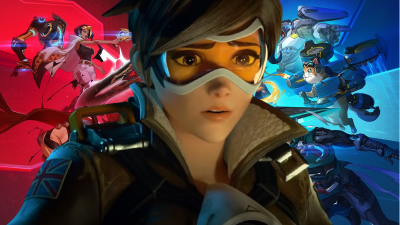
Although businesses are designed to generate profit, this blatant action by Blizzard, if true, reflects a self-sabotaging method of greed that slowly chipped away at what made Overwatch great. From over-reliance on live events from Overwatch League, to pressures to make Overwatch 2, to a general disconnect with leaders who didn’t understand how game development works, it’s unfortunately a story that has been repeated too often.
Thankfully, Jeff Kaplan says that the CFO at Blizzard who confronted him no longer works at the company. This could reflect the now re-branded Overwatch‘s gradual bounce back into public graces with its fans in 2026, but it is unlikely to ever re-capture the magic of its original time in the sun, showing how even the biggest games can fail from corporate meddling.
Why do you think Overwatch declined over time? Leave a comment below or join the conversation in the ComicBook Forum!
More Gaming
-

Courtesy of Arc System Works