Overwatch has gone through an entire rebrand, dropping the “2” from its name and revitalizing its audience with new features and a new title based on its IP. Along with the revamp of the normal hero shooter, Overwatch Rush brings top-down action to mobile devices with many familiar faces. Although the positive news surrounding Overwatch is ultimately good, the practices of the hero shooter and its spin-off remind me of a consistent problem within the genre.
Videos by ComicBook.com
Currently, Overwatch‘s peaks to its player count have been through the wealth of content dropped for the game in early 2026. From five new characters to unique seasonal opportunities, players have more reason than ever to jump back into what was one of the biggest games the genre had to offer. Overwatch Rush looks to continue the good will players have in the brand right now, offering a mobile experience of the main game that is smaller in scale, but keeping many similarities from the larger title it’s based on.
Overwatch Rush Features Free-to-Play Accessibility With Monetization Practices Like Its Hero Shooter Inspiration
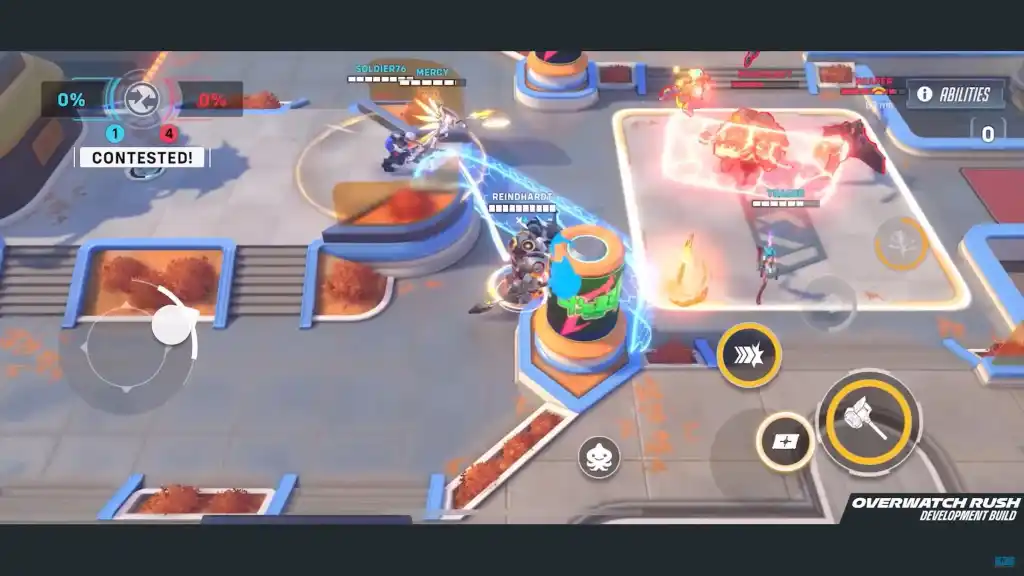
Much like Overwatch, Overwatch Rush is completely free-to-play, with the only purchases coming from buying in-game content. The monetization of Overwatch Rush will have little to do with the 5v5 top-down gameplay, but rather in-app purchases for mobile devices players experience the game on. Android and iOS users have not been given the full scope of Overwatch Rush‘s monetization scheme right now, but past Blizzard titles might give some hints.
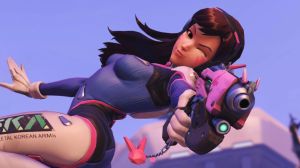
Most of Overwatch Rush‘s purchases are expected to be purely cosmetic, much like the hero shooter. In Overwatch, you can use lootbox reward bundles to gain certain items randomly, or directly buy in-game currency to unlock content you want. Everything from character-specific highlight intros for “Play of the Game” moments, skins, emotes, voice lines, and more are all tied to currency prices. Some fans have long called out the microtransactions of Overwatch, with Overwatch Rush expected to be even worse.
Mobile games are typically egregious with their monetization, with Blizzard’s Diablo Immortal being a great example to look to. That game incentivized higher spending in a “pay-to-win” format, almost encouraging players to spend money to become stronger than they ever could playing for free. Endgame equipment is almost impossible to get without at least one purchase, with some studies showing that it would take $110,000 to reach max power in Diablo Immortal. If Overwatch Rush is anything like Blizzard’s previous mobile attempt, it could alienate audiences fast.
Hero Shooters Punish Players For Taking Breaks By Locking Certain Content Away Forever
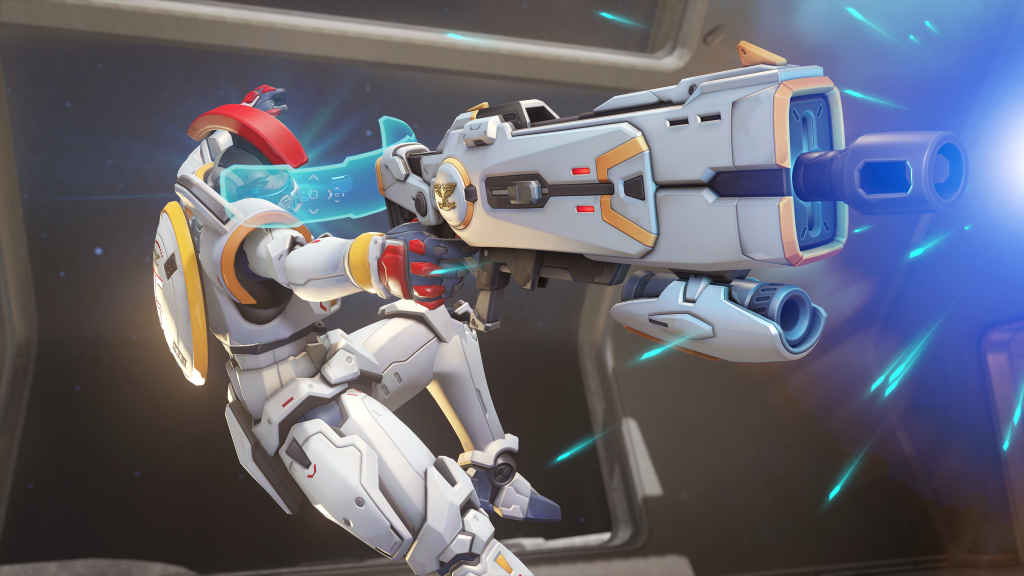
One of the greatest sins of the hero shooter genre, whether it’s in mobile form or not, is how its content is constantly promoted as exclusive toward its players. For Overwatch and likely Overwatch Rush in the future, content has been locked behind seasonal formulas, with certain cosmetics only being available for a short window of time. If players miss out on playing or spending money during an exact time period, those cosmetics are never seen again.
Overwatch makes this harder than some other hero shooters by having collaboration or limited-time cosmetics still visible months after their events have come and gone. For most players, taking a break from their favorite hero shooter means that they’ll inevitably miss out on some cosmetics they would have bought if they were still playing. Free rewards from specific events, Battle Pass items, and more are susceptible to getting replaced faster than players can earn them through a standard grind.
Sometimes, players simply aren’t in a place to keep spending money on new content, so they miss out. Even the most dedicated people in a hero shooter’s audience may not have the time to earn cosmetics, especially those at the highest tier of a Battle Pass or reward system. In truth, this is a reason why some breaks become players dropping a game, as it is almost impossible to catch up on so much missed content.
Other Games Have Better Systems, But None Of Them Are Perfect

Some hero shooters lock content at an alarming rate, but others have found ways to keep its systems available long past their expiration. For example, Marvel Rivals allows players who’ve purchased a seasonal Luxury Battle Pass to keep unlocking items from it long after that Season has ended. However, this process is not perfect, as players still need to meet in-game currency inventory requirements to regain access to specific Battle Pass pages.
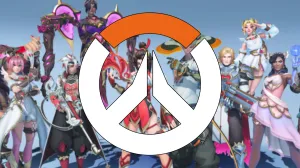
Events and crossovers in games like Marvel Rivals and Overwatch are incredibly frequent and designed to keep players engaged constantly. However, this makes each hero shooter that much harder to get into, as leaving is penalized so often with content being locked away. As such, it can make players never even want to start playing games like Overwatch or Overwatch Rush, as the level of investment being demanded is too much.
What do you think about content being locked away in hero shooters like Overwatch? Leave a comment below or join the conversation in the ComicBook Forum!
Most Viewed
-

Official art by Bastien Lecouffe-Deharme -

A photo of the Retrovolt Arcade taken in 2017, showing several classic arcade cabinets and stools. -

Image courtesy of Tor Books/Macmillan -

Courtesy of Saber Interactive